Author: devadmin

  • UAE Golden Visa for Employees Earning Dh30,000 – Eligibility Criteria & Application Process

    UAE Golden Visa for Employees Earning Dh30,000 – Eligibility Criteria & Application Process

    The UAE’s Golden Visa program has expanded, now offering long-term residency to professionals earning a minimum salary of Dh30,000 per month. This initiative aims to attract skilled workers, enhance the country’s diverse talent pool, and support economic growth. Here’s a closer look at the eligibility criteria, the application process, and practical tips to ensure a smooth application.

    Eligibility Criteria for UAE Golden Visa

    Professionals working in the UAE can qualify for a Golden Visa if they:

    • Earn a monthly salary of Dh30,000 or more.
    • Hold a bachelor’s degree in their field.
    • Have a valid employment contract for roles classified under occupational levels 1 or 2 by the Ministry of Human Resources and Emiratisation (MOHRE). These include positions such as managers, engineers, educators, and IT professionals.


    Industry experts note that meeting the minimum salary threshold is crucial, as allowances are not included in the requirement. Applicants must provide documents such as a Ministry of Labour contract or a salary certificate from free zone authorities, along with attested educational certificates and bank statements showing consistent salary deposits over six months.

    Golden Visa Application Process

    Applying for the UAE Golden Visa involves two main channels:

    1. General Directorate of Residency and Foreigners Affairs (GDRFA) for Dubai-based applicants:
    • Access the GDRFA online portal or smart application.
    • Fill out the application form, attach the required documents, and pay the service fees.
    • Alternatively, visit GDRFA-approved typing centers for assistance.
    1. Federal Authority for Identity, Citizenship, Customs & Port Security (ICA) for other emirates:
    • Applicants can apply via the ICA’s online services or visit approved typing centers.
    • Follow a similar form submission procedure, document verification, and fee payment.


    To increase the likelihood of approval, ensure all documents, especially bank statements and degree certificates, are accurately prepared. To prove income stability, it is advisable to maintain a clear record of salary deposits and avoid immediate withdrawals.


    The UAE Golden Visa offers exceptional benefits, including the freedom to live, work, and invest in the UAE without a local sponsor. Professionals earning Dh30,000 or above should consider this opportunity for long-term residency and career growth. For more information, visit the GDRFA or ICA official websites.

  • UAE Immigration Experts Deny Viral Claims of ‘1-Year Residency Visa’ Dubai, UAE

    UAE Immigration Experts Deny Viral Claims of ‘1-Year Residency Visa’ Dubai, UAE

    Recent viral social media posts have sparked confusion by claiming the UAE has launched a one-year residency visa specifically for freelancers. However, immigration experts and typing center officials strongly deny these claims, advising the public to rely only on verified sources for visa-related information.


    According to Dawood KKC from Multy Hands Businessmen Services, what many are misinterpreting as a one-year residency visa is a virtual work visa. This visa was introduced in 2021 to allow remote workers employed by companies outside the UAE to reside within the country, provided they meet specific criteria. “Applicants must submit proof of remote employment and a monthly income of approximately Dh13,000 to qualify,” Dawood explained.


    For those seeking a freelance setup, Dubai does offer a separate freelance permit. Once obtained, this permit allows applicants to pursue a one- or two-year residency visa. However, the process involves several official steps, and the total cost is around Dh14,000.


    Despite these established pathways, misleading information continues to circulate online. Social media posts promoting a supposed “one-year residency visa” claim it is available to anyone entering the UAE with a passport, offering unrestricted work freedom.


    However, Noushad Hassan from Alhind Business Centre warned against these fraudulent promises. “One individual recently attempted to enter the UAE on a so-called ‘one-year remote work visa’ acquired with falsified documents, only to be turned back by immigration officials,” he said, adding that incidents like these could impact applicants’ future eligibility for UAE entry.


    Under the UAE’s remote work visa program, remote employees with verifiable proof of employment and a monthly salary of at least $3,500 (approximately Dh13,000) are eligible to apply. Dubai also offers a similar program for remote workers and entrepreneurs, requiring a minimum monthly salary of $5,000.


    To avoid misinformation and potential consequences, immigration experts urge residents to verify all visa details through UAE government websites or licensed business setup companies. Given the popularity of remote work opportunities in the UAE, applicants are encouraged to consult official resources to ensure compliance and understand the requirements.

  • Self-employed in Dubai? You’ll Need a Green Residence Permit

    Self-employed in Dubai? You’ll Need a Green Residence Permit

    Freelancers and self-employed individuals in Dubai now have a long-term residency option with the UAE Green Residence Visa. Launched in 2022, this visa aims to support skilled professionals, freelancers, and investors who want to live and work in the UAE without traditional sponsorship. Unlike the standard employment visa, the Green Residence Visa allows for self-sponsorship, offering more flexibility and independence.


    The UAE Green Residence Visa is a five-year visa specifically designed for freelancers, highly skilled professionals, and investors. This visa allows individuals to sponsor themselves, making it ideal for those transitioning to self-employment or freelance work. It eliminates the need for a company sponsor and grants the same residency benefits to family members.


    The visa was introduced as part of the UAE’s efforts to attract top global talent, encouraging innovation and entrepreneurship. Applicants can expect a streamlined process, especially in Dubai, which offers a 60-day Green Entry Visa while the necessary residency paperwork is being processed.


    To apply for the UAE freelance visa under the Green Residence category, applicants must meet specific requirements:

    • Proof of a bachelor’s degree or specialized diploma
    • A minimum annual income of AED 360,000 (or equivalent in foreign currency) from self-employment over the past two years
    • A freelance or self-employment permit from the Ministry of Human Resources and Emiratisation


    Freelancers and investors who qualify for this visa can enjoy several benefits, including the ability to:

    • Sponsor family members for five years
    • Maintain residency status for six months after visa cancellation or expiration
    • Access more flexible work options without company sponsorship


    Industry experts believe that the Green Visa benefits the UAE by bolstering the nation’s position as a global hub for talent and innovation. With a growing freelance market, the UAE is keen to offer long-term residency solutions to meet the evolving needs of its workforce.


    If you’re ready to apply, start by securing your freelance or self-employment permit. The Government of Dubai provides a convenient online portal to apply for the UAE Green Residence Visa or a 60-day entry visa to start the process.

  • Dubai Department of Economy and Tourism and Hilton Forge Strategic Partnership

    Dubai Department of Economy and Tourism and Hilton Forge Strategic Partnership

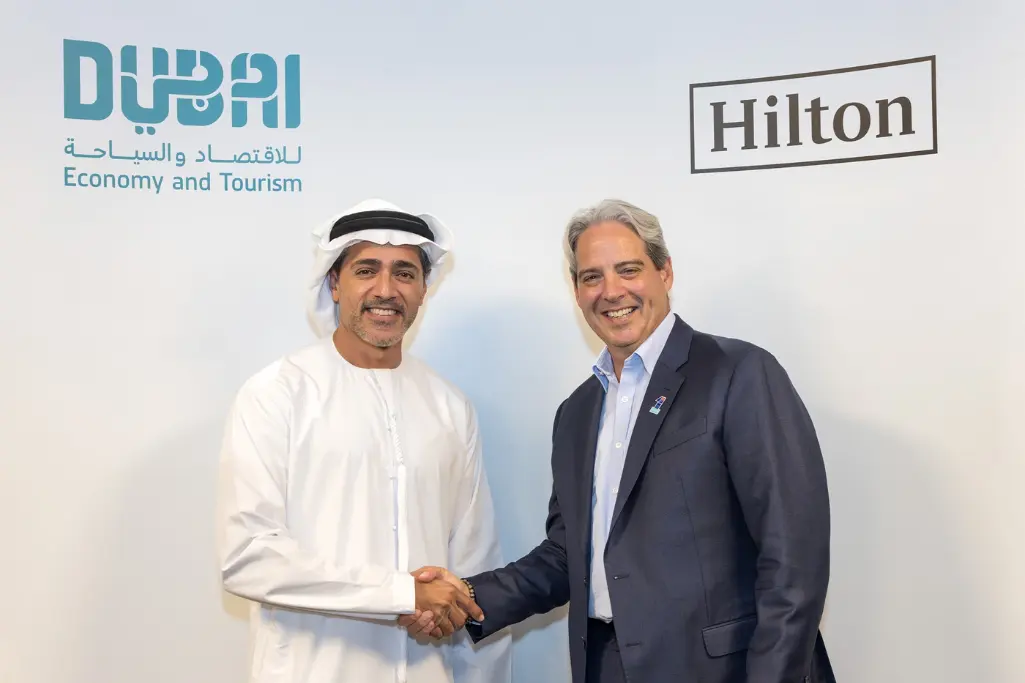
    The Dubai Department of Economy and Tourism (DET) and Hilton have signed a strategic memorandum of understanding (MoU) aimed at boosting Dubai’s global tourism profile.


    This agreement strengthens the ongoing collaboration between the two entities and aligns with the Dubai Economic Agenda (D33), positioning the city as a premier destination for both leisure and business. The partnership is set to enhance visitor experiences and promote Dubai as a top-tier global city, reinforcing the city’s appeal to international travelers.


    Under the MoU, Hilton will continue to expand its footprint in Dubai while benefiting from DET’s tourism initiatives, including team member training programs offered through the Dubai College of Tourism.


    These programs will focus on customer service excellence and cultural awareness, ensuring that visitors to Hilton’s Dubai properties receive world-class hospitality.


    Hilton, a global leader in hospitality with 24 hotels across the city, will also leverage Dubai’s unique tourism offerings to integrate local experiences into its seasonal packages and loyalty programs like Hilton Honors, which boasts over 195 million members globally.


    This strategic partnership is part of an ongoing effort by both DET and Hilton to drive Dubai’s tourism growth. In recent years, Dubai has consistently achieved record-breaking visitor numbers, with 11.93 million international overnight visitors from January to August 2024 alone, marking a 7.5% year-on-year increase.


    Industry experts predict that such collaborations will further cement Dubai’s status as a global hub, especially with the introduction of new hotels and hospitality standards.


    The partnership between Dubai DET and Hilton is expected to generate significant benefits for the local economy, with both parties committed to enhancing the quality of services in Dubai’s hospitality sector. By incorporating Dubai’s experiences into Hilton’s offerings and expanding its presence, the city is set to attract even more international tourists.

  • SLG Group Breaks Ground on AED 200 Million Hub at Dubai Industrial City

    SLG Group Breaks Ground on AED 200 Million Hub at Dubai Industrial City

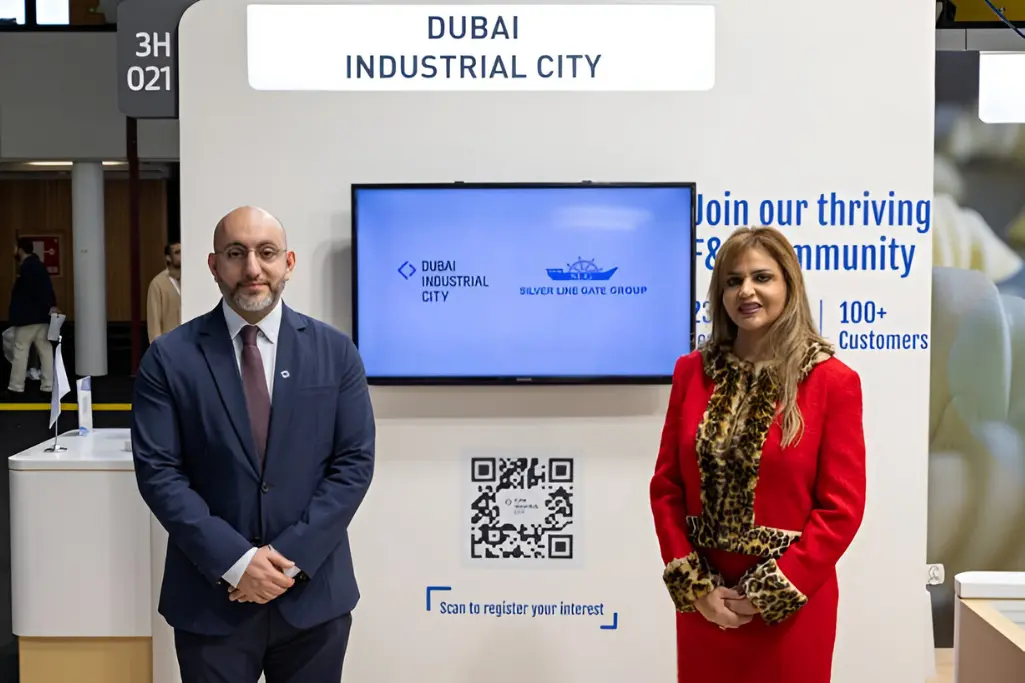
    Silver Line Gate Group (SLG Group), a leading name in the food and beverage (F&B) industry, has officially constructed its AED 200 million integrated hub at Dubai Industrial City.


    This ambitious project marks a significant step in SLG Group’s global expansion, reinforcing Dubai’s position as a key industrial and manufacturing powerhouse in the region.


    The new facility, which spans 1.37 million sq. ft., will enhance SLG Group’s production capabilities, with an annual output of 90,000 tonnes of milk powder and 10,000 tonnes of butter.


    The state-of-the-art hub is expected to open next year, supporting Dubai’s role in driving economic growth and food security in line with the UAE’s National Food Security Strategy 2051.


    Dubai Industrial City, home to over 1,000 companies, is recognized for its strategic location. It offers seamless access to critical transport networks like Al Maktoum International Airport, Jebel Ali Port, and an Etihad Rail freight terminal. This makes it an ideal choice for SLG Group to expand its operations and meet the growing demand for dairy products across the GCC, African, and Southeast Asian markets.


    Experts emphasize that SLG Group’s expansion aligns with Dubai’s broader industrial vision, including Operation 300bn and Dubai Economic Agenda ‘D33’.


    As Saud Abu Alshawareb, Executive Vice President of Industrial at TECOM Group, stated, “SLG Group’s new facility reflects Dubai Industrial City’s commitment to fostering a robust manufacturing ecosystem that contributes to the UAE’s food security and economic resilience.”


    As Dubai Industrial City continues to attract global businesses, manufacturers seeking to scale their operations should consider leveraging the city’s infrastructure and strategic location.

  • Dubai Introduces Stricter Penalties for Mobile Phone Use While Driving

    Dubai Introduces Stricter Penalties for Mobile Phone Use While Driving

    Dubai has introduced new, stricter penalties for distracted driving, including a 30-day vehicle impoundment for drivers caught using mobile phones or engaging in other distracting behaviors behind the wheel.


    These measures, which aim to enhance road safety, reflect Dubai’s ongoing efforts to curb reckless driving and reduce traffic accidents.


    Under the revised regulations, the Dubai Police will now impound vehicles for 30 days for offenses such as using mobile phones while driving, tailgating, and making sudden lane deviations. Previously, these offenses carried fines ranging from Dh400 to Dh1,000 and up to four black points on the driver’s record.


    With this new law, vehicle impounding in Dubai adds another layer of consequence for distracted driving penalties.


    Dubai’s move to enforce harsher penalties for mobile phone driving laws is not new. Last year, authorities imposed a Dh50,000 fee to release impounded vehicles for serious traffic offenses, such as reckless driving and jumping red lights. According to reports, reckless driving caused 94 accidents in the first half of 2024 alone, highlighting the urgent need for more stringent rules.


    Experts in road safety advocate for these measures, emphasizing that distracted driving is one of the leading causes of traffic accidents globally. A recent survey by RoadSafetyUAE revealed that while 90% of drivers believe distracted driving is dangerous, only 81% admit to consistently paying full attention to the road. This inconsistency in driver behavior continues to pose a significant risk.

  • Dubai to Boost 100,000 Startups with $100M Ignyte Digital Platform Initiative

    Dubai to Boost 100,000 Startups with $100M Ignyte Digital Platform Initiative

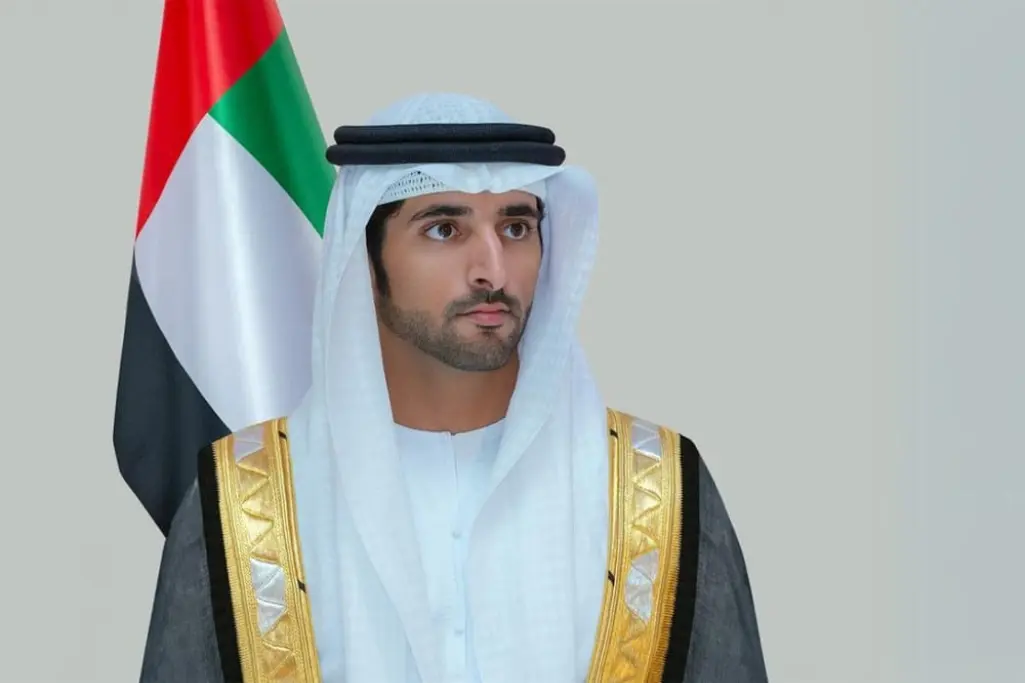
    Dubai has unveiled the Ignyte digital platform, a groundbreaking initiative aimed at propelling 100,000 startups and entrepreneurs with $100 million in perks. Spearheaded by Sheikh Hamdan bin Mohammed bin Rashid Al Maktoum, Crown Prince of Dubai, this platform is set to reinforce Dubai’s position as a global hub for entrepreneurship and innovation.


    The Ignyte digital platform, curated by the Dubai International Financial Centre (DIFC), is a key component of Dubai’s Digital Economy Strategy. By connecting startups with a global network of investors, mentors, and corporate partners, it offers a comprehensive ecosystem for growth. The platform is expected to attract over 5,000 investors, venture capitalists, and mentors, significantly boosting Dubai’s startup funding landscape.


    This $100M initiative aligns with Sheikh Hamdan’s broader vision of making Dubai a top destination for entrepreneurs. “Ignyte represents a transformative step in the digital economy, providing startups with the tools and connections they need to grow,” commented Essa Kazim, Governor of DIFC.


    This isn’t the first time Dubai has made headlines for supporting startups. In 2022, Dubai was ranked fifth among the top emerging ecosystems globally in early-stage funding, a testament to its strong investor activity and funding infrastructure. Dubai’s well-established support system has helped foster a thriving entrepreneurial environment, particularly in sectors such as fintech and e-commerce.


    Experts believe that the Ignyte digital platform could further cement Dubai’s global standing in the startup ecosystem. By leveraging Dubai’s growing digital economy and investor base, startups can expect accelerated growth and global expansion.

  • UAE and Azerbaijan Strengthen Financial Cooperation Amid Expanding Bilateral Ties

    UAE and Azerbaijan Strengthen Financial Cooperation Amid Expanding Bilateral Ties

    The UAE and Azerbaijan have reaffirmed their commitment to deepening financial relations, as high-ranking officials from both nations met recently in Dubai.


    UAE Minister of State for Financial Affairs Mohamed Hadi Al Hussaini and Azerbaijan’s Minister of Finance Samir Sharifov discussed expanding bilateral cooperation in various sectors, particularly focusing on economic development and financial innovation. This meeting marks another step toward enhancing the UAE-Azerbaijan financial relations, paving the way for greater economic collaboration.


    During the meeting, the ministers reviewed the progress of several agreements, including a memorandum of understanding (MoU) on financial cooperation signed in January 2024. The MoU has led to increased collaboration in key areas such as public budget management, financial IT applications, and public debt management. The UAE and Azerbaijan also share a long-standing bilateral trade agreement framework, which includes a double taxation avoidance agreement and an investment protection agreement signed in 2006.


    These agreements have solidified the foundation for economic cooperation between the two countries, enhancing trade and investment flows in recent years. The ministers also explored new avenues for collaboration, particularly in climate finance, a sector gaining prominence with Azerbaijan’s role as the host of COP29.


    Economic experts have praised the growing economic cooperation UAE shares with Azerbaijan, noting that the financial sector plays a critical role in fostering deeper ties. Industry insiders believe that further strengthening these relations will bring mutual benefits, particularly in technology-driven finance and sustainable development projects.


    “Both countries are well-positioned to leverage each other’s strengths in the financial industry. We foresee a robust future for their economic partnership, especially in areas like fintech and climate-focused investments,” said a leading financial analyst based in Dubai.


    As financial cooperation between the UAE and Azerbaijan continues to flourish, businesses from both nations should explore new opportunities to engage in cross-border investments and collaborations. With strategic agreements in place, companies looking to expand in these markets can benefit from government support and growing trade relations.

  • Pure Ice Cream to Invest $21.8M in Dubai Industrial City Factory

    Pure Ice Cream to Invest $21.8M in Dubai Industrial City Factory

    Dubai, UAE – In a significant move for the region’s food and beverage industry, Pure Ice Cream has announced a $21.8 million investment in a new factory at Dubai Industrial City.


    This facility is set to become one of the UAE’s largest ice cream manufacturing hubs, scheduled for completion by 2026. The investment represents a major milestone for the company, known for popular brands like Kwality Ice Cream and Hershey’s Ice Cream, as it aims to boost its production capacity and global reach.


    Located within the dedicated food and beverage zone at Dubai Industrial City, the new facility will occupy a land plot of 246,000 square feet, with a built-up area of 160,000 square feet.


    Pure Ice Cream’s factory is expected to increase its production capacity by 300%, allowing the company to produce 30 million liters of ice cream annually. This ambitious expansion underscores Dubai’s ongoing industrial investment, particularly in the food production sector, as the city positions itself as a leader in food security and innovation.


    “Dubai Industrial City’s strategic location and world-class infrastructure make it the perfect choice for our new facility. This will enable us to seize new business opportunities and efficiently manage larger production volumes,” said Vikram Seth, Managing Director of Pure Ice Cream.


    This move aligns with the UAE’s broader industrial development goals, including the ‘Operation 300bn’ initiative, which seeks to bolster local manufacturing.


    Saud Abu Alshawareb, Executive Vice President of TECOM Group, emphasized the importance of such investments in achieving a self-sustaining food and beverage sector, calling Pure Ice Cream’s new factory “a tangible manifestation of the UAE’s National Food Security Strategy 2051.”


    Similar investments in the past, particularly in the F&B sector, have shown that expanding local production capabilities not only drives economic growth but also reduces dependency on imports, contributing to the UAE’s long-term sustainability goals.

  • Saudi Arabia Introduces Uniform Requirement for Home Delivery Workers

    Saudi Arabia Introduces Uniform Requirement for Home Delivery Workers

    In a bid to elevate professionalism and enhance service quality, Saudi Arabia has introduced a mandatory uniform regulation for all home delivery workers. The Ministry of Municipalities and Housing unveiled the new dress code as part of a broader initiative to improve home delivery service standards across the Kingdom.

    New Standards for Delivery Services

    The new regulations stipulate that all home delivery workers must wear clean, professional attire that aligns with their job requirements. This move is designed to boost the public’s perception of home delivery services while maintaining a standard of hygiene and professionalism. In addition to the uniform requirement, the Ministry has mandated that facilities providing home delivery services must possess a valid municipal license and secure a specific home delivery permit.


    This is not the first time Saudi Arabia has enacted reforms to regulate the delivery industry. In previous years, authorities introduced stringent hygiene standards for food deliveries, which significantly improved service quality and safety. Industry experts note that these initiatives have been well-received by consumers, who increasingly expect higher standards from delivery services.


    “As the e-commerce and food delivery sectors continue to expand, such measures ensure that quality control remains at the forefront,” said a representative from the Saudi Food and Drug Authority. The uniform regulation is viewed as a natural progression in this ongoing drive for service excellence.


    • Uniforms must be clean and professional.
    • Facilities must obtain a municipal license and a home delivery permit.
    • Vehicles used for delivery must be licensed and regularly sanitized.
    • Delivery vehicles should display the company’s name or trademark.


    The Ministry’s focus on regulating uniforms and delivery standards is likely to benefit both workers and customers. With a stronger emphasis on hygiene, safety, and professionalism, Saudi Arabia’s delivery sector is expected to continue its growth trajectory while maintaining the trust of its clientele.