Category: Blog

  • Mortgage in Dubai for Non-residents: A Complete Guide

    Mortgage in Dubai for Non-residents: A Complete Guide

    Buying property in Dubai is not only an attractive option for local residents and investors, but it has also become a popular prospect for international buyers who want to take advantage of the opportunities in this dynamic, cosmopolitan city.

    Thanks to Dubai’s freehold laws, non-residents are legally permitted to own property in designated freehold districts.

    Because properties represent a substantial investment, many non-residents opt for a mortgage rather than paying entirely in cash.

    This complete guide covers everything you need to know about securing a non-resident mortgage in Dubai, from eligibility and documentation to loan limits and popular lending institutions.

    Dubai mortgage

    Can Non-Residents Get a Mortgage in Dubai?

    The short answer is yes. Foreign nationals living abroad can successfully secure home loans in the UAE.

    However, non-resident home loans are governed by a distinct set of regulatory rules compared to resident mortgages. While borrowers can access high loan amounts and flexible repayment structures, options are more specialized.

    Conducting thorough due diligence or consulting an independent mortgage broker is strongly recommended before moving forward.

    Types of Mortgage in Dubai for Non-Residents

    Understanding the different financing structures helps clarify which option aligns best with your financial goals. The primary choices include:

    • Fixed-Rate Mortgage: The interest rate remains locked for a set initial period, typically between one to five years. Once this introductory phase expires, the loan automatically transitions into a variable-rate structure.

    • Variable-Rate Mortgage: The interest rate fluctuates dynamically in response to broader market conditions and benchmark rates (such as EIBOR). Borrowers must ensure their monthly budgets can comfortably accommodate potential repayments moving up or down.


    Eligibility Criteria for Non-Resident Mortgages

    Before applying, ensure you meet the baseline criteria enforced by UAE lenders. While specific terms vary across institutions, standard requirements include:

    • Eligible Nationalties: Banks maintain an approved list of countries; applicants must hold citizenship in an accepted jurisdiction.

    • Income Source: Borrowers must demonstrate a verifiable monthly salary through formal employment or provide documentation proving self-employment.

    • Age Limits: Lenders enforce strict age boundaries, usually requiring the loan to fully mature before the borrower turns 65 (for salaried workers) or 70 (for self-employed individuals).

    • Minimum Income: Banks enforce strict minimum monthly earnings thresholds for international applicants, which are often higher than those required for local residents.

    • Approved Developers: Many banks restrict property financing to developments built by approved real estate developers.


    Deposit Requirements and Loan-to-Value (LTV) Ratios

    A critical component of buying property with a mortgage is securing the required down payment. While residents enjoy lower deposit minimums, non-resident thresholds are higher:

    • LTV Ratio: Non-resident mortgages typically feature a Loan-to-Value ratio of 60% to 65% (though select strong profiles may stretch up to 75% with specific lenders).

    • Down Payment: Buyers must provide a cash deposit ranging between 35% and 40% of the property’s purchase value (alongside closing costs and transaction fees).


    Popular Banks Offering Non-Resident Mortgages

    Several major financial institutions in Dubai cater actively to international property investors.

    Bank Key Highlights & Focus
    Emirates NBD High loan amounts, flexible repayment terms, and extensive developer partnerships.
    Mashreq Bank Streamlined digital application processes and dedicated international advisory support.
    ADCB Competitive financing packages tailored toward global property buyers and expatriates.
    HSBC Seamless global connectivity, ideal for existing premier or international banking clients.
    FAB Bank Robust maximum loan limits and comprehensive online mortgage calculation tools.


    Step-by-Step Application Process

    Navigating a Dubai mortgage from abroad is structured and efficient when following these core steps:

    1. Consult a Mortgage Expert: Speak with a Dubai-based mortgage broker to review available products tailored to your financial profile.

    2. Obtain Finance Pre-Approval: Submit initial paperwork to secure a pre-approval letter confirming your exact borrowing budget.

    3. Select a Property: Partner with a licensed real estate professional to find a compliant freehold property that matches your investment criteria.

    4. Agree on Terms and Pay Deposit: Negotiate the purchase price, sign the sales agreement, and secure the transaction with a property deposit.

    5. Finalize the Mortgage and Transfer: Work alongside your broker and a legal conveyancer to process property valuation, complete bank underwriting, and finalize the title deed transfer.


    Required Documentation

    Collating accurate paperwork is essential to avoiding delays. Standard documentation required by UAE international mortgage laws includes:

    • A valid passport with at least six months of remaining validity.

    • Personal bank statements spanning the past three to six months to demonstrate liquidity and source of funds.

    • Official tax returns (where applicable).

    • Recent salary slips and an employment contract (for salaried applicants).

    • A valid trade license and company ownership papers (for self-employed applicants).

    • Details outlining any active pre-existing loans or liabilities.


    Challenges and Key Tips

    • Higher Down Payment: Non-residents typically need a higher cash down payment (compared to 20% for residents) due to conservative Loan-to-Value (LTV) limits.

    • Stricter Compliance: UAE banks enforce rigorous Anti-Money Laundering (AML) and Know Your Customer (KYC) checks for overseas applicants.

    • Documentation Hurdles: Missing bank statements, unverified proof of income, or improperly formatted tax documents can delay or stall approval.


    Get Expert help from DXB VIP! 

    Choosing DXB-VIP means partnering with a trusted, client-centric consultancy dedicated to making your entry into the UAE market effortless and transparent.

    Backed by extensive local expertise and a deeply personalized approach, they eliminate bureaucratic hurdles so you can focus entirely on your core business goals.

    Whether you need end-to-end support with company formation, streamlined assistance for securing a UAE Golden Visa, or professional guidance through trade license acquisition, DXB-VIP delivers reliable, tailored solutions designed to ensure your long-term success in the region.
  • Uncover the Secret Treasures of Dubai

    Uncover the Secret Treasures of Dubai

    Dubai is often celebrated for its iconic skyline, world-class shopping malls, luxury hotels, and record-breaking attractions. Visitors from around the world flock to landmarks like the Burj Khalifa and Palm Jumeirah, but beyond the glamorous façade lies another side of the city—one filled with hidden neighborhoods, peaceful nature reserves, cultural treasures, and local experiences waiting to be discovered.

    Whether you’re a first-time visitor looking to explore beyond the tourist hotspots or a resident searching for something new, these secret treasures reveal a more authentic and fascinating side of Dubai.


    1. Al Fahidi Historical Neighborhood

    Al Fahidi


    Location: Al Fahidi, Bur Dubai, near Al Fahidi Metro Station

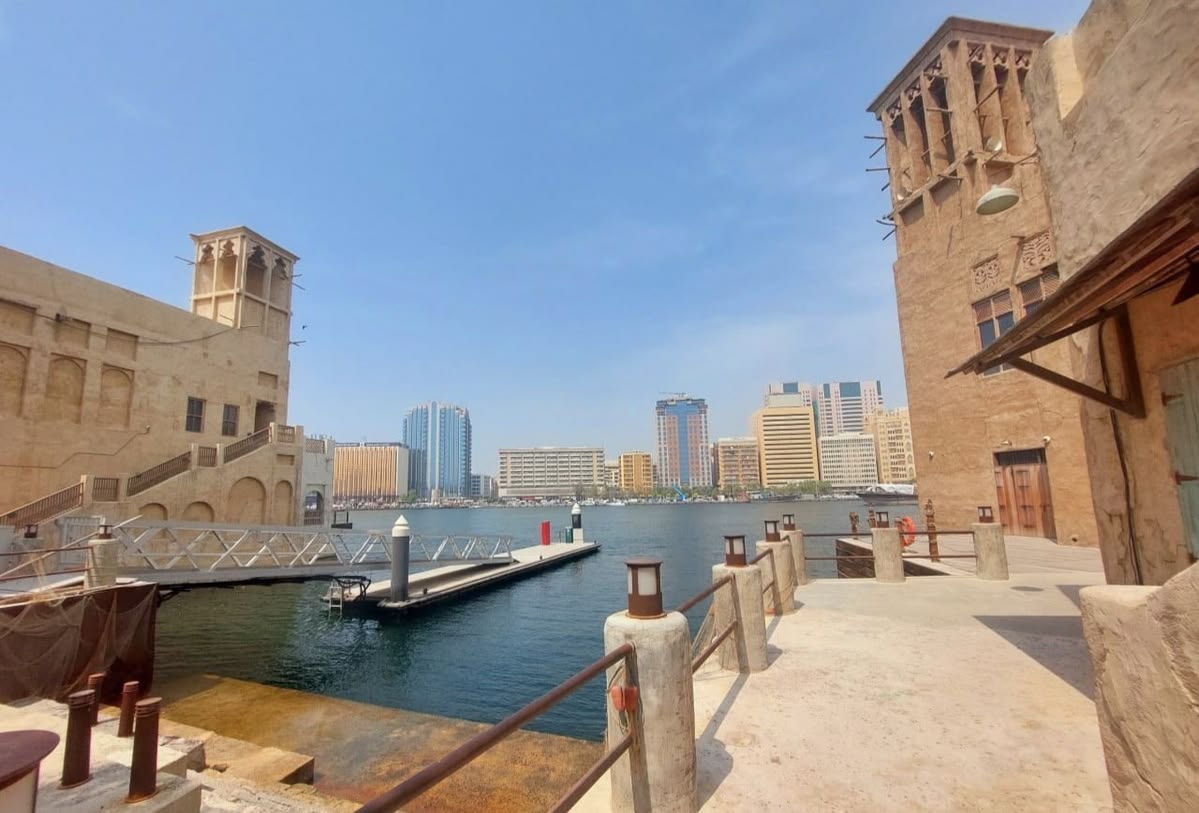
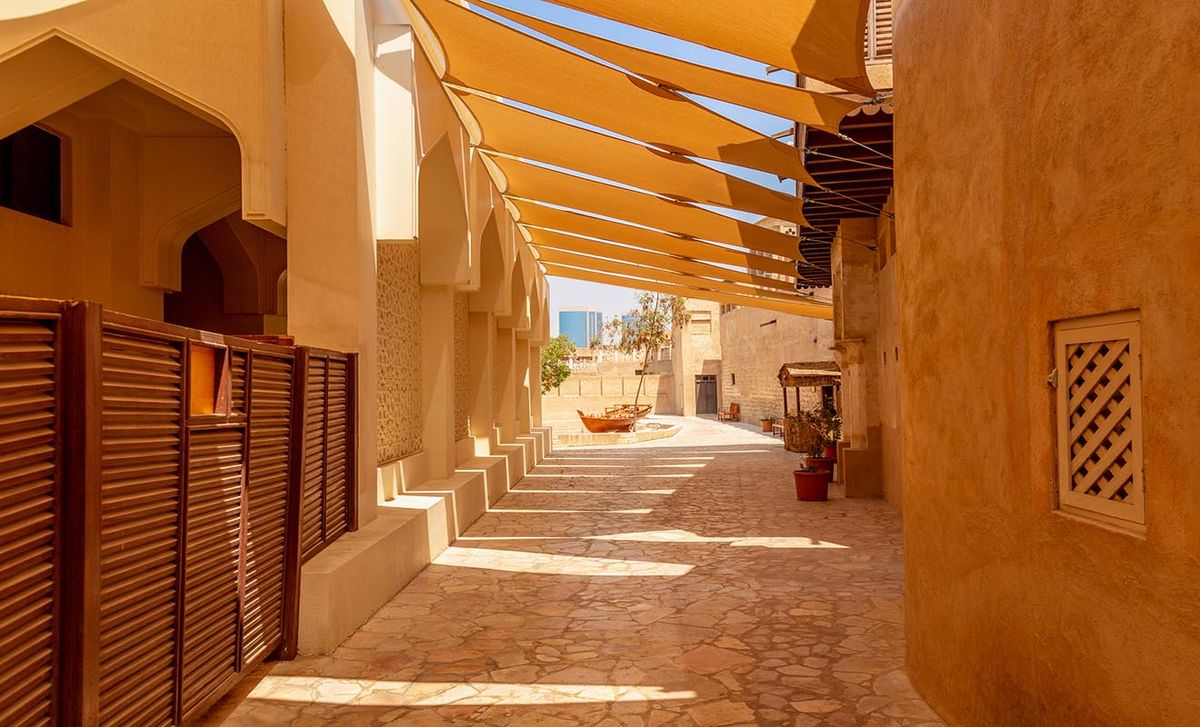
    Step back in time by wandering through the narrow alleyways of Al Fahidi Historical Neighborhood. Dating back to the late 19th century, this beautifully preserved district showcases traditional Emirati architecture with wind towers, coral stone buildings, shaded courtyards, and art galleries.

    Unlike the modern skyscrapers that define Dubai today, Al Fahidi offers a glimpse into the city’s humble beginnings. Visitors can enjoy local museums, artisan boutiques, charming cafés, and cultural exhibitions while learning about the UAE’s heritage.

    Don’t miss the Coffee Museum, the Coin Museum, and the Sheikh Mohammed Centre for Cultural Understanding, where visitors can participate in traditional Emirati meals and ask questions about local culture.


    2. Al Seef Waterfront

    Al Seef Waterfront


    Location: Dubai Creek, Bur Dubai

    Stretching along the historic Dubai Creek, Al Seef perfectly blends old and new Dubai. The waterfront features traditional-style architecture alongside contemporary restaurants, boutique hotels, and waterfront cafés.

    Take a leisurely evening stroll while enjoying views of wooden abras crossing the creek. Browse artisan shops selling handmade souvenirs, spices, perfumes, and local crafts before dining beside the water.

    As the sun sets, the atmosphere becomes even more magical with illuminated pathways and live entertainment.


    3. Ras Al Khor Wildlife Sanctuary

    Ras AL khor

    Location: Ras Al Khor Road, near Dubai Creek

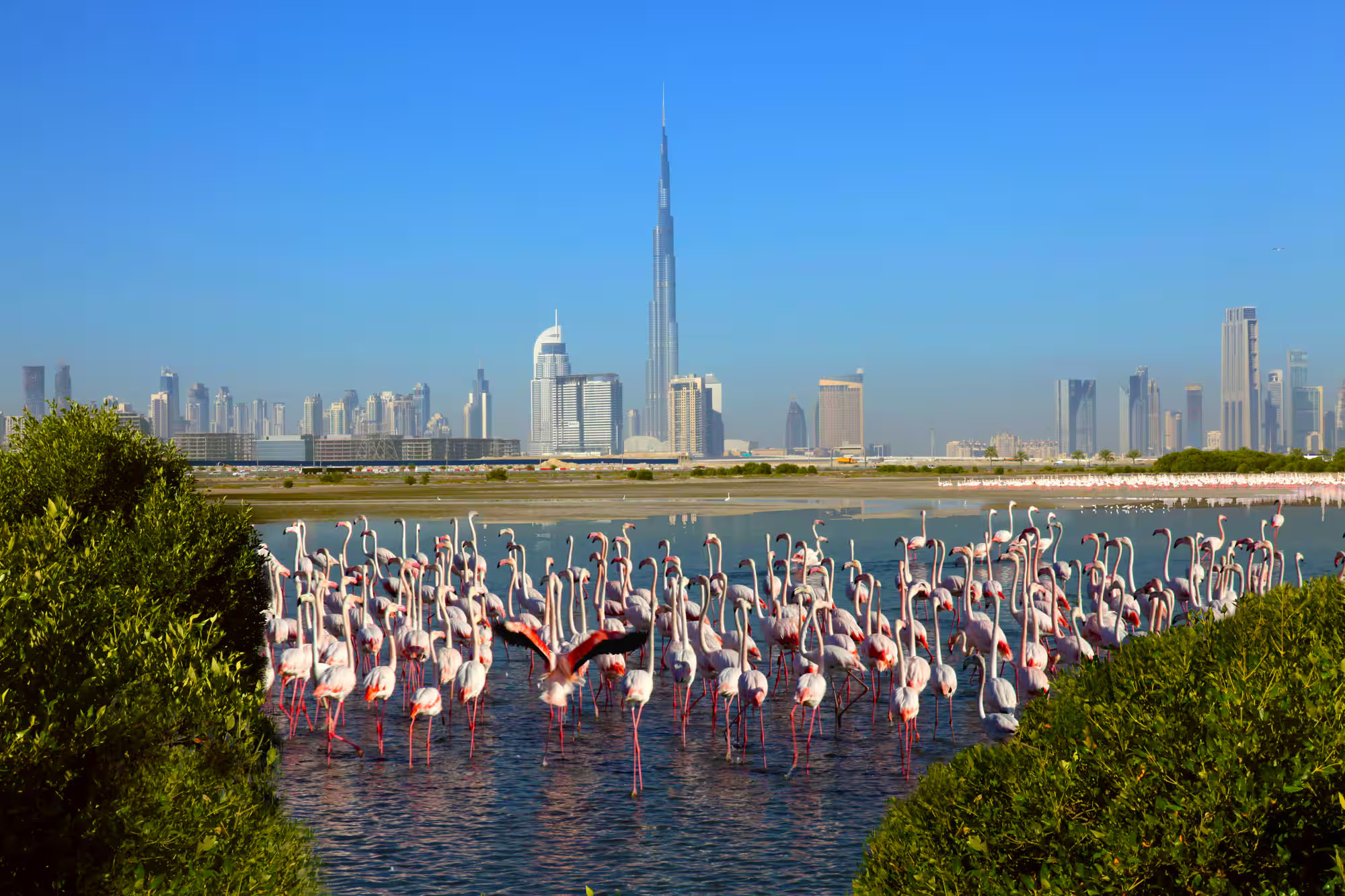
    Many people are surprised to discover that Dubai is home to thousands of flamingos.

    The Ras Al Khor Wildlife Sanctuary protects more than 6 square kilometers of wetlands and attracts over 450 species of wildlife throughout the year. During the winter months, hundreds of bright pink greater flamingos gather in the lagoons, creating one of the city’s most spectacular natural sights.

    Free bird hides allow visitors to observe flamingos, herons, egrets, ospreys, and numerous migratory birds without disturbing the ecosystem.

    It’s one of Dubai’s best-kept secrets for photographers and nature lovers.


    4. Al Qudra Lake

    Al-Qudra Lake

    Location: Al Qudra Desert, approximately 45 minutes from Downtown Dubai

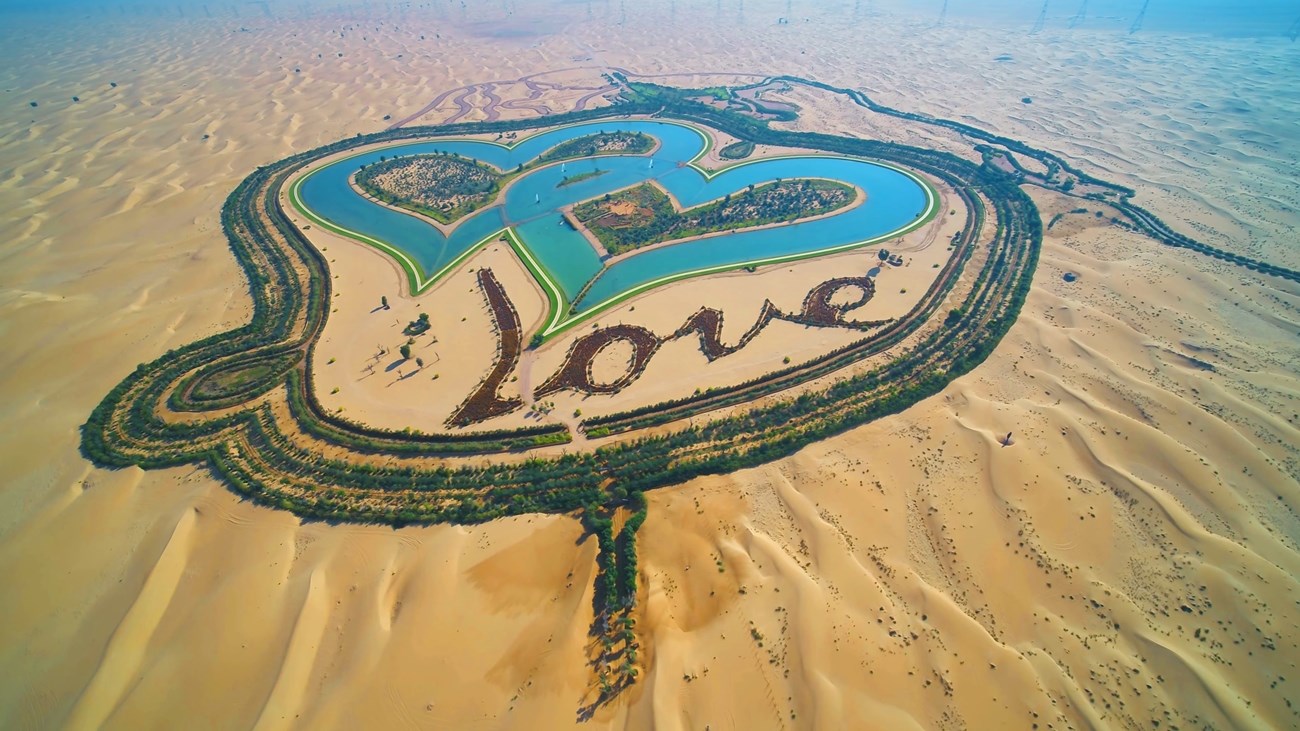
    Hidden within the Al Qudra desert lies one of Dubai’s most romantic destinations.

    Love Lake consists of two interconnected heart-shaped lakes surrounded by thousands of trees spelling out the word “Love.” The peaceful environment offers walking trails, picnic areas, cycling routes, and opportunities to observe native birds and desert wildlife.

    Unlike Dubai’s busy urban attractions, Love Lake provides tranquility and breathtaking sunset views over the desert landscape.

    Bring a picnic, camera, and plenty of water for a relaxing afternoon escape.


    5. Hatta

    hatta

    Location: Hatta, Dubai Emirate, approximately 130 km from Downtown Dubai

    Nestled within the Hajar Mountains, Hatta offers a refreshing contrast to Dubai’s cityscape.

    Known for its turquoise dam, rugged mountain scenery, hiking trails, and adventure activities, Hatta has become one of the UAE’s premier eco-tourism destinations.

    Visitors can kayak across the peaceful Hatta Dam, hike scenic mountain trails, explore Hatta Heritage Village, or experience mountain biking through specially designed tracks.

    The cooler temperatures during winter make it an ideal weekend getaway.


    6. Jameel Arts Centre

    Location: Jaddaf Waterfront, Dubai Creek

    Art enthusiasts should not miss the Jameel Arts Centre, one of Dubai’s leading contemporary art institutions.

    The museum showcases rotating exhibitions featuring regional and international artists, with a focus on Middle Eastern contemporary art.

    Outside, beautifully designed sculpture gardens overlook Dubai Creek, providing peaceful spaces for reflection and photography.

    Admission is free, making it one of Dubai’s best cultural experiences.


    7. The Viewing Point at Dubai Creek Harbour

    Location: Dubai Creek Harbour

    While many visitors head to observation decks in Downtown Dubai, few discover The Viewing Point at Dubai Creek Harbour.

    This impressive 70-meter pedestrian bridge extends over Dubai Creek, offering panoramic views of Downtown Dubai, Burj Khalifa, Dubai Creek, and the city’s evolving skyline.

    Sunset is the perfect time to visit, when the skyline glows with golden light and reflects beautifully across the water.

    It’s an ideal location for photographers seeking a unique perspective of Dubai.


    8. The Camel Farm

    Location: Al Ain Road (Dubai–Al Ain Highway)

    A short drive from central Dubai, The Camel Farm offers a family-friendly countryside experience rarely associated with the city.

    Visitors can feed camels, interact with farm animals, ride ponies, enjoy outdoor playgrounds, and relax in shaded picnic areas.

    It’s a wonderful destination for families with children looking to experience rural Emirati life beyond the urban landscape.


    9. Mushrif National Park

    Location: Al Khawaneej Road, Mirdif

    One of Dubai’s oldest parks, Mushrif National Park spans over 5 square kilometers of native ghaf forest.

    The park features cycling paths, walking trails, swimming pools, barbecue facilities, children’s play areas, and an international village displaying miniature traditional houses from around the world.

    Nature lovers appreciate its peaceful atmosphere, particularly during the cooler months from October through April.

    It’s also a popular destination for birdwatching and family gatherings.

    10. The Farm Restaurant

    The Farm Restaurant


    Location: Al Barari, Dubai

    Hidden within the lush Al Barari community, The Farm is surrounded by botanical gardens, streams, and tranquil lakes.

    The restaurant offers a refreshing escape from the city’s busy pace, serving healthy international cuisine in a beautifully landscaped setting.

    Guests often visit not only for the food but also for the peaceful environment that feels worlds away from downtown Dubai.

    Morning breakfasts and evening dinners are especially popular.


    11. Secret Beach (Al Sufouh Beach)

    Location: Al Sufouh Road, between Burj Al Arab and Palm Jumeirah

    Known locally as Secret Beach, Al Sufouh Beach remains one of Dubai’s quietest coastal escapes.

    Unlike many commercial beaches, this peaceful stretch of sand has minimal development, allowing visitors to enjoy uninterrupted views of the Burj Al Arab, Palm Jumeirah, and the Arabian Gulf.

    It’s particularly popular for sunrise walks, swimming, paddleboarding, and peaceful picnics.

    The calm atmosphere makes it feel like a hidden paradise despite being only minutes from the city’s busiest districts.


    Discover a Different Side of Dubai

    Dubai’s greatest treasures aren’t always found inside towering skyscrapers or luxury shopping malls.

    Hidden among historic neighborhoods, desert lakes, mountain villages, wildlife sanctuaries, and peaceful beaches are experiences that reveal the city’s remarkable diversity.

    Exploring these lesser-known destinations allows travelers to connect with Dubai’s culture, natural beauty, and heritage while escaping the crowds.

    Whether you’re watching flamingos at Ras Al Khor, kayaking through Hatta Dam, strolling along the charming streets of Al Fahidi, or enjoying a quiet sunset at Secret Beach, each hidden gem tells a unique story about this extraordinary city.

    The next time you visit Dubai, venture beyond the famous landmarks. You may discover that the city’s most unforgettable memories are found in the places that many travelers overlook.

    Connect with us to know more about the lifestyle in Dubai. We offer free zone and mainland company formation services in Dubai and across the UAE. Move to Dubai with straightforward process!


  • Best Residential Areas to Live in Dubai

    Best Residential Areas to Live in Dubai

    Dubai’s real estate market in 2026 has entered a new phase— one defined not by widespread momentum, but by selective, high-conviction opportunities.

    Not every property in Dubai is performing the same way anymore. The strongest returns are coming from the right communities, not simply the most talked-about ones.

    Whether your goal is long-term wealth, reliable rental income, or future capital growth, there are some of the areas investors are watching most closely.

    With a balance of fundamentals, demand, and future upside, let’s discuss the best residential to live in Dubai in 2026.

    Dubai Hills Estate (Estimated Rental Yield: 5.5%–7.0%)

    Dubai Hills Estate


    If you’re looking for a reliable, long-term investment, Dubai Hills Estate continues to stand out.

    With its parks, schools, retail, and central location, it has become one of Dubai’s most desirable family communities.

    Demand remains consistently strong, helping owners benefit from stable rental income and long-term value appreciation.


    Arabian Ranches (Estimated Rental Yield: 5.0%–6.5%)

    Arabian Ranches


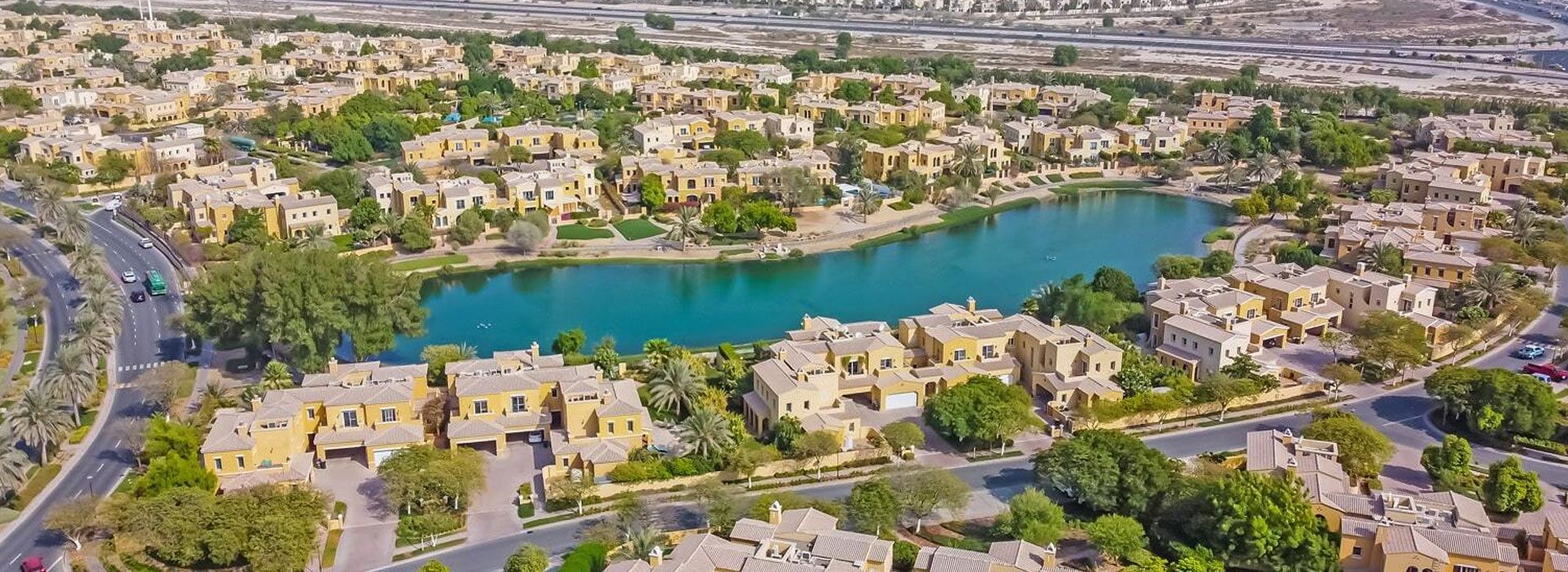
    Arabian Ranches has earned its reputation as one of Dubai’s most established villa communities.

    Buyers are drawn to its privacy, mature landscaping, and peaceful lifestyle.

    While it isn’t the highest-yielding market, it offers something many investors value just as much — stability and lasting demand.


    Palm Jumeirah (Estimated Rental Yield: 3.5%–5.0%)

    Palm Jumeirah


    Palm Jumeirah remains one of the world’s most recognizable waterfront addresses.

    Investors don’t choose it purely for rental yield — they choose it because prime beachfront property is limited, highly sought after, and has historically held its value exceptionally well.

    For many, it’s a long-term wealth preservation asset.


    High-Performance Communities: Strong Income & Growth Potential

    Dubai Marina (Estimated Rental Yield: 5.5%–6.5%)

    Dubai Marina


    Dubai Marina continues to be one of the city’s busiest rental markets.

    Its waterfront lifestyle, restaurants, offices, and excellent connectivity make it a favourite among professionals and expats, resulting in consistently high occupancy and dependable rental demand.


    Jumeirah Village Circle (JVC) (Estimated Rental Yield: 7.0%–8.8%)

    JVC


    For investors focused on rental returns, JVC remains one of Dubai’s strongest performers.

    Competitive property prices, growing infrastructure, and strong tenant demand have made it one of the city’s most attractive locations for generating steady cash flow.


    Dubai South (Estimated Rental Yield: 7.5%–9.3%)

    Dubai South


    Dubai South is becoming one of the city’s most exciting long-term investment opportunities.

    With the expansion of Al Maktoum International Airport and major infrastructure projects underway, the area is attracting increasing attention from investors looking to benefit from future growth while prices are still relatively accessible.


    Choose DXB VIP. Invest with Confidence.

    The Dubai market is becoming more selective. Today’s successful investors aren’t chasing every new launch —they’re choosing locations with strong fundamentals, long-term demand, and clear growth potential.

    Communities with quality infrastructure, excellent connectivity, established amenities, and limited supply are likely to remain the strongest performers over time.

    The best investment isn’t always the one generating the biggest buzz — it’s the one that continues delivering value year after year.

    At DXB VIP, we believe every investment should be backed by insight, not guesswork.

    Whether you’re exploring Dubai’s top-performing communities, comparing off-plan and ready properties, understanding current market trends, or looking for tailored investment advice, our team provides the expertise and resources to help you make informed decisions.

    Investing in qualifying real estate may make you eligible for the UAE Golden Visa.

    Connect with us to know more about the ongoing investment opportunities and lifestyle in Dubai! 

  • How to Easily View Your Abu Dhabi Traffic Fines

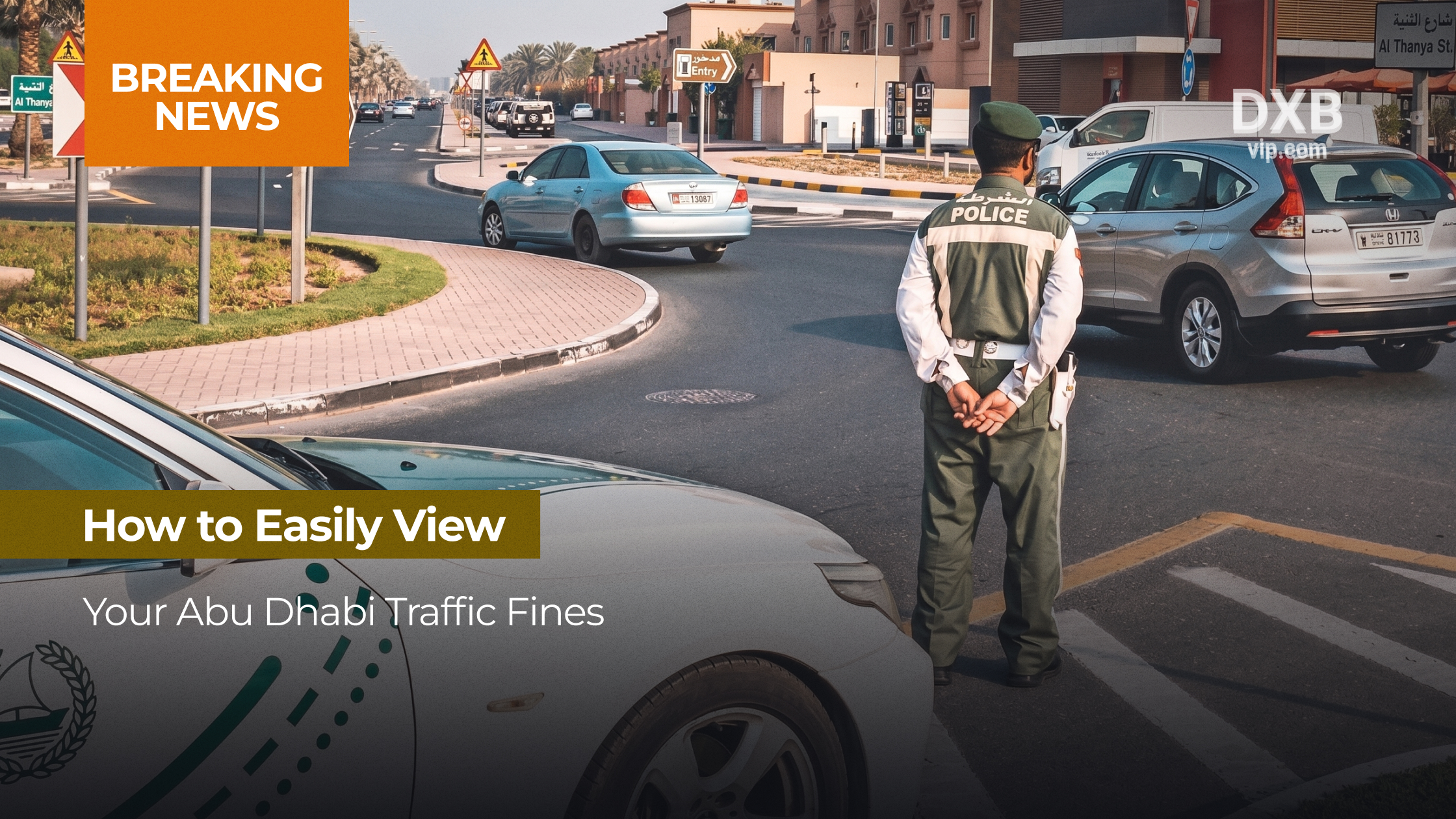
    How to Easily View Your Abu Dhabi Traffic Fines

    For business owners, real estate professionals, and residents across the UAE, maintaining administrative efficiency is a cornerstone of a seamless lifestyle. Whether you are navigating the busy corridors of Dubai or commuting to the capital, staying on top of your vehicle’s traffic record is essential.

    Abu Dhabi’s commitment to digital excellence has made the process of checking and paying traffic fines remarkably simple and transparent.

    In this guide, we’ll walk you through how to effortlessly view your traffic fines in Abu Dhabi using the most reliable official channels.

    Why Proactive Fine Management Matters

    In the UAE, the digital transformation of government services has done more than just save time — it has introduced a system where compliance is rewarded.

    • Early Payment Incentives: Abu Dhabi often offers significant discounts for settling fines within 60 days. Regular checks ensure you never miss these windows of opportunity.

    • Operational Readiness: For business owners, ensuring your corporate vehicle fleet is clear of violations is vital for smooth license renewals and avoiding unexpected administrative hurdles.

    • Peace of Mind: With real-time access to radar data and violation details, you gain full transparency into your driving record, allowing you to address any issues or disputes promptly.


    The Top 4 Digital Channels for Traffic Fine Inquiries


    Abu Dhabi Traffic Fines

    1. The TAMM Portal

    TAMM is the central hub for all Abu Dhabi government services. It is the most comprehensive tool for residents and businesses because it integrates seamlessly with your UAE PASS.

    • Step 1: Visit the TAMM website or download the TAMM app.

    • Step 2: Log in securely using your UAE PASS.

    • Step 3: Navigate to the “Drive and Transport” section.

    • Step 4: Select “Traffic Fine Payment” under the “Fines & Violations” category.

    • Step 5: The system will automatically display any fines linked to your Emirates ID and registered vehicles. From here, you can review, select, and pay instantly.


    2. Abu Dhabi Police E-Services

    For direct access to traffic enforcement data, the official Abu Dhabi Police portal is your primary destination.

    • Step 1: Head to the Abu Dhabi Police E-Services page.

    • Step 2: Go to “Traffic Services” and select “Traffic Fines Inquiry and Payment.”

    • Step 3: You can search by entering your Traffic Code Number (TCN), Vehicle Plate Number, or Driving License Number.

    • Step 4: Click “Search.” The portal will provide a detailed breakdown of the violation, including the date, amount, and even radar-captured evidence images.


    3. Emirates Vehicle Gate

    If you need a lightning-fast status update without going through a full login process, EVG is the go-to solution.

    • Step 1: Visit evg.ae.

    • Step 2: Select “Abu Dhabi” as the plate source.

    • Step 3: Enter your plate details or traffic code.

    • Step 4: Complete the captcha and view your pending fines instantly.

    4. Ministry of Interior (MOI) UAE App

    If you frequently travel between Dubai, Abu Dhabi, and other emirates, the MOI app offers a unified view of your traffic status across the entire country.

    • Step 1: Open the MOI UAE app (available on iOS and Android).

    • Step 2: Log in with your UAE PASS.

    • Step 3: Access “Traffic Services” and select “Traffic Fines Inquiry.” This provides a consolidated view, making it the most efficient option for those managing inter-emirate travel.


    Pro-Tips for Efficient Management

    • Use the SMS Service: If you are on the move and just want a quick status check (no payment), you can send an SMS to 3070 using the format: [Plate Number] [Space] [Plate Category] [Space] [Plate Code].

    • Disputing a Fine: If you believe a fine was issued in error, you can submit a “Violation Review” request directly through the Abu Dhabi Police app or website, where you can upload supporting evidence like dashcam footage.

    • Keep Your Data Current: Always ensure your contact details are updated in your traffic file. This ensures you receive timely notifications about new violations and potential discount eligibility.


    Final Thoughts

    In the modern UAE, government services are designed to be “invisible” — working in the background to simplify your life.

    By leveraging these official portals, you ensure that your personal and professional mobility remains unhindered.

    We recommend setting a recurring reminder to check these platforms once a month. It’s a small, proactive habit that saves time, prevents penalties, and keeps your records in perfect standing.

    Stay compliant, stay informed, and enjoy the seamless efficiency of the UAE’s digital future.

    In addition, explore our business setup services in Dubai mainland and UAE free zones.

  • Inside Yas Marina Circuit: Why Abu Dhabi Offers the Ultimate F1 Motorsport Experience

    Inside Yas Marina Circuit: Why Abu Dhabi Offers the Ultimate F1 Motorsport Experience

    Mark your calendars: The Etihad Airways Abu Dhabi Grand Prix is officially set to return from December 3 to 6, 2026, for an unforgettable weekend of elite motorsport.

    abu dhabi grand prix

    When Abu Dhabi joined the Formula 1 calendar, it didn’t just add another venue to the map; it completely shifted the sport’s expectations of luxury, engineering, and architectural spectacle.

    Nestled along the turquoise waters of Yas Island, Yas Marina Circuit has cemented its status as motorsport’s ultimate twilight showcase and a premier global destination.

    Engineering a World-Class Icon

    The 5.28 km track layout challenges the world’s best drivers with a demanding combination of 21 tight corners, high-speed acceleration zones, and the longest straightaway on the current F1 calendar (a blistering 1,173 meters).

    Its architecture breaks traditional rules with groundbreaking infrastructure:

    • Subterranean Pit Exit: Drivers plunge into a unique tunnel that snaking beneath the track surface before safely releasing them back into the race.


    • Integrated Luxury Architecture: The track winds directly underneath the iconic, grid-shell canopy of the W Abu Dhabi hotel, bringing spectators and guests closer to the visceral roar of the engines than anywhere else in the world.


    • Climate-Controlled Comfort: Fully shaded, air-conditioned grandstands and high-end corporate suites ensure that even in the heat of the Middle East, the fan experience remains rooted in absolute luxury.


    The Grand Prix Weekend: A Festival of Speed and Luxury

    The annual season finale transforms Yas Island into a high-octane hub of sport, entertainment, and premium hospitality.

    For fans heading to the grandstands, the circuit offers distinct vantage points tailored to different racing preferences:

    Grandstand Best For What You See
    Main Grandstand Pit Lane Action & Strategy The start/finish line, podium celebrations, and rapid 2-second pit stops directly below the garages.
    West Grandstand Overtaking & High-Speed Braking Positioned at the end of the massive straightaway, capturing aggressive overtakes and crucial braking zones.
    Marina Grandstand Luxury Atmosphere & Scenery Wraps around the yacht basin, blending wheel-to-wheel combat with the scenery of the waterfront promenade.

    Living the Experience: From Spectator to Driver

    Yas Marina Circuit’s true impact lies in its transformation from an elite race track into an active, year-round motorsport playground. You do not have to settle for just watching the professionals.

    Through the DriveYAS academy, enthusiasts can jump into the cockpit themselves:

    • Formula YAS 3000: The closest experience to a true open-wheel F1 car. Powered by a 3.0-liter V6 Jaguar engine, this 260-horsepower machine rockets from 0 to 100 km/h in just 2.8 seconds.


    • Supercar Academies: Drivers can test their limits behind the wheel of a track-prepped Aston Martin GT4, a roaring Mercedes-AMG GTS, or an ultra-lightweight Caterham Seven.


    For those looking for a different pace, the circuit opens its gates weekly for community fitness initiatives like TrainYAS, allowing thousands of residents to cycle, run, or walk the pristine F1 tarmac completely free of charge.

    Abu Dhabi Grand Prix

    An Island of World-Class Entertainment

    The motorsport experience extends seamlessly off the track. Yas Marina Circuit serves as the anchor for an expansive entertainment ecosystem across Yas Island.

    Step away from the paddock, and you are immediately surrounded by award-winning destinations:

    • Ferrari World Abu Dhabi: Home to Formula Rossa, the fastest roller coaster on Earth, matching the actual G-forces experienced by Formula 1 drivers.


    • Yas Marina: A vibrant waterfront lined with international dining venues, upscale lounges, and luxury yacht charters that stay lively throughout the calendar year.


    • Yas Mall & Theme Parks: Offering world-class shopping alongside immersive indoor worlds like Warner Bros. World and Yas Waterworld.


    Learn more about our end-to-end UAE market entry on our business setup services page.

  • Mainland vs Free Zone vs Offshore: Which One to Choose?

    Mainland vs Free Zone vs Offshore: Which One to Choose?

    The most critical decision for any foreign investor in the UAE is registering their company in Dubai. If your registration is correct, you receive 100% ownership, almost no corporate taxes, unrestricted market access for your business, plus family residency permits. If you do it incorrectly, you will be forced to spend $20K-$30K and up to 18 months re-registering for a different jurisdiction.

    This article provides the three primary structures available to foreign investors in 2026 – Mainland, Free Zone, and Offshore – as compared against the seven decision criteria that really matter when registering a company in Dubai. By the end of this article, you will know which structure will suit your business model the best.


    A Glance at the Three Types

    Here’s the most basic summary.

    • Mainland – You can trade anywhere in the UAE, have the ability to bid for government contracts, and have a freer hiring practice (You can hire anyone and get a licence from the Dubai Department of Economy & Tourism).
    • Free Zone – 100% foreign ownership, you have dedicated sectors (DMCC, IFZA, DAFZA, Dubai Internet City, Meydan, etc.), faster and easier setup, but you will need to go through an agent/distributor to trade directly into the UAE mainland.
    • Offshore – You are creating a holding company for your current assets/doing business for asset protection globally; you cannot operate in the UAE marketplace; you are not provided with residence visas in the UAE.

    Let’s compare the types of jurisdictions offered in the UAE.


    1. Foreign Ownership

    • Mainland: Since 2021, foreign investors can own 100% of a mainland LLC across more than 1,000 commercial and industrial activities. A small number of “strategic impact” sectors still require an Emirati partner — your consultant should confirm before you commit.
    • Free Zone: 100% foreign ownership has always been the standard. No local partner required, ever.
    • Offshore: 100% foreign ownership.
    • Verdict: All three structures now offer full foreign ownership for most business activities — the old “you need a local sponsor” rule is largely a thing of the past.


    2. Market Access

    • Mainland: Full access. You can sell directly to consumers, businesses, and the UAE government anywhere in the country. Mainland companies are the only ones that can bid on UAE government contracts — a market worth tens of billions of dirhams annually.
    • Free Zone: Excellent for international trade. Restricted for direct sales into the UAE mainland — you’ll typically need a local distributor, a commercial agent, or a separate mainland branch. For e-commerce, services, and B2B export, this is rarely a problem.
    • Offshore: Cannot conduct business inside the UAE. Used for international operations, holding structures, and international invoicing only.

    Verdict: If your customers are UAE residents or the UAE government, you need a mainland. If your customers are global, a free zone is faster and cheaper.


    3. Tax Position in 2026

    The Federal Corporate Tax of the UAE is now implemented; we will describe their position per entity type.

    • Mainland: taxed at 9% on taxable income greater than AED 375,000 and not at all at income less than that. VAT of 5% applies when total sales exceed AED 375,000.
    • Free Zone: qualifying free zone persons (QFZP) can receive the benefit from the 0% corporate tax rate on qualifying net income, if such persons meet all substantive requirement, prepared and filed audited financials annually and recorded no revenue derived from mainland sources. Free zone entities/property must register and file an annual return with the Ministry of Economy and Commerce.
    • Offshore: entities generally fall outside of the UAE federally, only global trends which require economic substance impact how and if an offshore corporation will be treated under the global law.

    Verdict: For those business engaged primarily in either qualifying free zone or differently sourced income, the QFZP remains the most efficient tax structure, provided the organization duly complies with all requirements.


    4. Cost of Setup and Renewal

    Indicative annual costs for 2026:

    • Mainland: AED 15,000 to AED 30,000 for license and basic setup. Office rent (mandatory in most cases) adds AED 25,000 to AED 100,000+ depending on location.
    • Free Zone: AED 10,000 to AED 25,000 for the license. Flexi-desk options from AED 5,000 to AED 8,000 per year. Some free zones bundle visas into a single package.
    • Offshore: AED 10,000 to AED 18,000 for the license. No physical office requirement.


    5. Visa Eligibility

    • Mainland: Visa allocations are linked to the number of square feet in your office. For an average 200-square-foot office, you may have access to multiple investor and employee visas. There is no upper limit on the number of visas available to you if you continue to scale up your office size accordingly.
    • Free Zone: Most free zone jurisdictions offer a fixed allocation of visas that depend on your package tiers — generally between (1) and (6) for each tier. The upgrade process is simple.
    • Offshore: There are no residence visas available for offshore companies. This is by far the largest drawback of having an offshore company as a launch pad for starting a new business in the UAE.

    Verdict: If you and your family want to live in Dubai, you need either a mainland or a free zone with a visa package. DXB-VIP’s residency team handles the entire visa stamping process alongside company formation.


    6. Bank Account Opening in the UAE

    UAE banks have tightened compliance significantly. In 2026, all three structures can open corporate accounts — but the approval rate varies sharply.

    • Mainland: Highest approval rate. Local banks see mainland licences as low-risk and well-regulated.
    • Free Zone: Strong approval rate, particularly for established free zones (DMCC, IFZA, DAFZA, ADGM, DIFC). Newer or lesser-known free zones may face longer KYC reviews.
    • Offshore: Hardest. Many UAE banks now decline offshore-only structures entirely. Workarounds typically involve a parallel mainland or free zone entity.

    Opening a corporate bank account in Dubai is where most foreign investors get stuck — even after their business trade license is approved. We open multiple accounts in parallel for our clients to ensure at least one approval.


    7. Time frame of Business Setup in Dubai

    • Mainland: 1 to 2 weeks for the license with DET, plus 2 to 3 weeks for visa stamping.
    • Free Zone: 5 to 10 working days for the license in most zones. Some free zones (IFZA, Meydan) can issue license in 48 hours.
    • Offshore: 5 to 7 working days. Fastest, however, limited to operation within the UAE.

    Common Mistakes to Avoid

    • The cheapest free zone is chosen without verifying if it will accept banking in that zone. Unfortunately, any license for the purpose of opening a bank account will be useless if they do not accept a bank account.
    • Choosing to go offshore without realizing you are also required to obtain a residence visa is one of the biggest mistakes we rectify for clients who have previously worked with other consultants.
    • You mistakenly believe that free zone status means no taxes are payable; however, you must be in active compliance with the laws of that jurisdiction to remain at the 0%.
    • Underestimating what it takes to meet the substance is a big mistake, as it applies to all jurisdictions in the UAE, and there are real penalties if you do not comply.


    How DXB-VIP Helps?

    We’ve spent years helping foreign investors avoid these traps. Our team handles trade license selection, jurisdiction matching, document preparation, banking introductions, and residence visas — end to end, in one engagement.

    If you are considering a business structure (mainland, free zone, or offshore), we recommend scheduling a Free Consultation with one of our experts. Our team will provide you with a clear recommendation, detailed quotation, and a reasonable timeline — all at no cost or obligation.

    Book a free consultation with DXB-VIP →


    Frequently Asked Questions

    1. Will you be operating within the UAE or elsewhere?

    Inside the UAE, use the UAE mainland. Outside the UAE, use Free Zone or Offshore.


    2. Do you want to have a UAE temporary resident’s visa for you and your family?

    Yes, use either the UAE mainland or the Free Zone. No, use offshore.


    3. Are you operating in a sector that is regulated (Healthcare, Education, Financial Services)?

    Yes, if you wish to establish your business in a Free Zone, you will be required to select from a list of specific Free Zones (such as DHCC, KHDA, DIFC, and ADGM) that regulate those sectors in accordance with their specific requirements.


    4. Will you derive most of your business revenue from outside of the UAE?

    Yes, choosing the Free Zone with the QFZP will provide for tax effectiveness. No, the Mainland is more straightforward.

  • Why 2026 Is the Right Time for Business Setup in Dubai

    Why 2026 Is the Right Time for Business Setup in Dubai

    Over the past two years, the UAE government has significantly simplified the business setup process.

    Foreign ownership now covers more than 1,000 mainland activities, while free zone companies benefit from improved access to mainland markets.

    At the same time, digital licensing through the Department of Economy and Tourism has reduced approval timelines dramatically.

    For investors seeking long-term growth, Dubai continues to stand out with:

    • 0% personal income tax
    • Competitive corporate tax structure
    • World-class banking infrastructure
    • Strategic global location connecting East and West\


    Choosing Between a Mainland and Free Zone License in Dubai

    Deciding if you should have a free zone or mainland license is one of the key choices you will make when establishing your business in Dubai.


    This choice doesn’t affect just where your business will be registered; it will directly determine the way you operate your business, who your potential customers are, how many visas your employees can obtain/sponsor, and what your long-term strategic goals will be.


    Mainland License in Dubai

    A mainland license gives your business the ability to operate anywhere in the UAE without restrictions, including trading directly with the local market, opening offices or retail locations across Dubai, and working with government or semi-government entities.


    It is typically the best option for companies that rely on a physical presence or have local clients that drive their growth.


    It is especially beneficial for retailers, food and beverage businesses, healthcare providers, construction companies, and professional service firms.


    These types of businesses often need direct access to the UAE market and benefit from being physically present.


    If a company plans to expand across the UAE, hire more employees, or secure government contracts, a mainland setup is usually the most suitable choice.


    Key points to understand include:


    • Mainland companies can operate anywhere in the UAE without restrictions
    • They can trade directly with local customers and businesses
    • They are eligible to work with government and semi-government entities
    • Most activities now allow 100% foreign ownership, removing the need for a local sponsor
    • Visa allocation is flexible and depends on office size, allowing easier team expansion
    • Operational costs can be slightly higher due to office space and government fees
    • Despite the costs, the market access and growth opportunities usually make it the stronger long-term option


    Free Zone License in Dubai

    Free zones are designed to attract foreign investors with streamlined processes, lower setup costs, and business-friendly regulations.


    Dubai has over 40 free zones, each catering to specific industries such as technology, media, finance, logistics, and consulting.


    A free zone license is ideal for businesses that primarily operate internationally or provide services outside the UAE.


    These setups are especially popular among consultants, digital agencies, e-commerce businesses, and startups looking for a cost-effective entry into the market.


    Free zone companies offer several advantages:

    • 100% foreign ownership
    • Fast and simplified setup processes
    • Access to modern infrastructure and business ecosystems
    • Potential eligibility for 0% corporate tax on qualifying income

    In many cases, free zones also offer flexible office solutions, including co-working spaces and virtual offices, which can significantly reduce initial costs.

    However, free zone companies traditionally face limitations when trading directly within the UAE mainland.

    To sell locally, you may need to work with a distributor or establish a mainland branch. That said, recent regulatory updates have started to ease these restrictions, giving free zone businesses more flexibility than before.


    Steps to Start a Business in Dubai

    Setting up a company in Dubai follows a clear and structured process. Understanding each step helps ensure a smooth and compliant business formation.

    The typical process includes:

    • Choose the right jurisdiction
      Select between mainland, free zone, or offshore based on your business activity, target market, and long-term goals.
    • Define your business activities
      Identify the exact activities your company will conduct, as this determines your license type and any additional regulatory approvals required.
    • Select the legal structure
      Choose the appropriate legal entity such as an LLC, sole establishment, or free zone company, depending on your ownership and operational needs.
    • Reserve your trade name
      Register a company name that complies with UAE naming regulations and ensure it is available for use.
    • Obtain initial approvals
      Secure preliminary approval from the relevant authority before proceeding with full registration.
    • Prepare and submit documents
      Complete all required application forms and submit supporting legal documents for company formation.
    • Receive your business license
      Once approved, your official trade license will be issued by the relevant authority, allowing you to legally operate.
    • Apply for visas (if required)
      Process investor, partner, or employee visas depending on your business structure and staffing requirements.
    • Open a corporate bank account
      Set up a business bank account in the UAE to manage transactions, payments, and financial operations


    Making the Right Choice

    The decision between mainland and free zone ultimately comes down to your business model and goals.

    If your focus is local market access, scalability, and operational freedom within the UAE, a mainland license is usually the better option.

    If your priority is cost-efficiency, speed of setup, and international operations, a free zone license may be more suitable.

    It’s also important to think long-term. Many businesses start in a free zone for simplicity and later expand into the mainland as they grow.

    Visa and Residency Options

    Setting up a company in Dubai opens the door to residency.

    Business owners can obtain:

    • Investor visas
    • Employment visas for staff

    Eligible entrepreneurs may also qualify for the 10-year UAE Golden Visa, offering:

    • Long-term residency
    • No need for a local sponsor
    • Flexibility to stay outside the UAE without losing residency

    How DXB-VIP Helps Your Business Setup?

    Setting up a business isn’t just about registration—it’s about choosing the right structure from the start.

    DXB-VIP provides a complete, end-to-end solution, including:


    Ready to Start Your Business in Dubai?

    Book a confidential consultation with DXB-VIP and turn your business idea into a fully operational company—in days, not months.

  • 5 Steps of Setting Up a Dubai Mainland Business Setup

    5 Steps of Setting Up a Dubai Mainland Business Setup

    Dubai is a global powerhouse of innovation, and in 2026, it remains the ultimate destination for entrepreneurs who refuse to settle for anything less than excellence. With its iconic skyline and a business ecosystem that moves at the speed of thought, the city offers more than just a strategic location—it offers a launchpad for global empires.

    Establishing a mainland business in Dubai is the most prestigious way to plant your flag in this market, providing you with 100% ownership, the ability to trade directly across all seven Emirates, and the unique advantage of bidding for high-value government contracts.

    However, in a city that thrives on “VIP” standards, your entry into the market should be just as elite. This is where the DXB-VIP approach makes the difference. While the path to success is paved with opportunity, navigating the regulatory landscape of the Dubai Department of Economy and Tourism (DET) requires precision, speed, and local expertise.

    A mainland setup isn’t just a legal requirement; it’s a strategic move that grants you unlimited scalability, allowing you to open multiple branches and hire a diverse global workforce without the geographic limitations found in Free Zones.

    As we move through 2026, the focus has shifted toward digital transparency and seamless integration. From selecting the perfect trade name to securing your official license, we highlight the “VIP” way to handle company formation in Dubai.

    Whether you are a solo visionary or a scaling corporation, understanding these pillars ensures that your business doesn’t just start — it dominates.

    This guide is crafted to cut through the noise and provide a clear, 5-step roadmap to launching your venture.

    Step 1: Determine Your Business Activity and Legal Structure

    The first step involves identifying the core activities your business will undertake. Dubai Economy and Tourism (DET), formerly DED, offers a comprehensive list of approved activities. You must select the activities that best describe your operations. Additionally, you need to choose an appropriate legal structure, such as a Limited Liability Company (LLC), Sole Proprietorship, or Corporation, depending on your business type, ownership preferences, and liability.

    Step 2: Reserve Your Trade Name

    Choosing a unique and catchy trade name is vital for building your brand identity. You must ensure that your proposed name is available and complies with the guidelines set by DET. Once approved, the name will be reserved for your business.

    Step 3: Apply for Initial Approval

    The initial approval marks the preliminary stage of your license application. You’ll need to submit the required documents, including passport copies, NOC (No Objection Certificate) from your sponsor (if applicable), and detailed information about your business activities. Obtaining initial approval from DET signifies that the government is open to your business idea.

    Step 4: Sign the Memorandum of Association (MOA)

    For entities like LLCs, the Memorandum of Association (MOA) is a legal document outlining the internal management structure and shareholder agreements.

    It specifies the company’s name, registered office address, business activities, share capital details, and the rights and responsibilities of each partner. The MOA must be signed and notarized at the notary public.

    Step 5: Get Your Trade License and Open a Bank Account

    After completing the steps above, you can proceed with paying the required license fees and obtaining your official trade license.

    This license allows you to legally operate your business in mainland Dubai.

    Following the issuance of the trade license, you’ll need to open a corporate bank account with a local bank to facilitate business transactions.

    How DXB-VIP Can Simplify Your Journey

    Setting up a mainland business in Dubai can be complex and time-consuming.

    DXB-VIP is your trusted partner, offering expert guidance and support throughout the entire process.

    Our business setup services in Dubai include:

    • Comprehensive market research and business planning
    • Activity selection and trade name reservation assistance
    • Document preparation and submission
    • Laisoning with government authorities and obtaining approvals
    • MOA drafting and notarization
    • Trade license issuance and visa processing
    • Corporate bank account opening assistance

    Conclusion

    Setting up a mainland business in Dubai is a rewarding venture with significant growth potential. By following these 5 steps and seeking the assistance of professional consultants at DXB-VIP, you can transform your entrepreneurial vision into a thriving reality.

    With Dubai’s economy and supportive business environment, your mainland enterprise is poised for success.

  • Where to Stay in Dubai City as an Entrepreneur

    Where to Stay in Dubai City as an Entrepreneur

    Dubai is one of the most attractive places in the world, not only for tourism but also for entrepreneurs and investors. But where to stay in Dubai city? There are some factors that needs to be consider when you are thinking of setting up your company in Dubai, and one of them is where to stay in Dubai when managing your company setup in the emirate.

    When you are visiting Dubai for a short term or staying in the emirate for an extended term, you should consider the best place to stay to make your company registration in Dubai, UAE, an efficient experience.

    Let’s get started!


    Location Importance for Business Setup in Dubai!

    When you are setting up your company in Dubai, your accommodation needs are, of course, important in terms of your comfort, but they can also affect your efficiency of operation. The place you choose to stay in can affect your access to key areas of your business, your speed in getting to government offices, your ease of making professional connections, and your general productivity.

    Dubai is well-planned in such a way that there are specific areas for specific activities, which means that your proximity to your area of work can save you valuable time and reduce your stress levels.


    Where to Stay in Dubai City as an Entrepreneurs?

    Where to stay in Dubai City

    1. Downtown Dubai

    If you are planning to live a high-class lifestyle with access to the central business district, Downtown Dubai. It is one of the most exclusive and prestigious areas in the city. Why to stay:

    • Just a few minutes’ drive from the main business centers and commercial areas
    • Luxurious hotels and serviced apartments are available for stay
    • The best place for client meetings and business events
    • The best option for investors who handle business registration in Dubai, UAE, Downtown Dubai is the epitome of luxury, success, and opulence.


    2. Business Bay

    Business Bay stands out as one of Dubai’s most strategic hubs for professionals and entrepreneurs.

    Why Stay Here:

    • Surrounded by corporate offices and business centers
    • Seamless connectivity to Downtown Dubai and all the key business districts
    • Perfect for managing your day-to-day business operations with ease
    • Ideal for individuals who are actively involved in setting up a business in Dubai.


    3. Dubai Marina

    Dubai Marina is an ideal place that combines professional ease with an exciting lifestyle, making it an excellent choice for businesspeople and entrepreneurs.

    Why stay here:

    • Vibrant expatriate community with opportunities to network
    • Short-term rentals for ease of stay
    • Relaxed waterfront setting for unwinding after work

    Ideal for professionals managing company setup in Dubai, Dubai Marina offers the perfect balance between work and lifestyle.


    4. Deira & Bur Dubai

    For entrepreneurs focused on efficiency and cost, Deira and Bur Dubai provide smart, budget-friendly options while keeping you close to Dubai’s business essentials.

    Why stay here:

    • Affordable hotels and serviced apartments for lean budgets
    • Quick access to government offices and licensing centers
    • Ideal base for completing company registration in Dubai, UAE, efficiently

    These neighborhoods are ideal for professionals seeking a practical, results-driven approach to setting up a company in Dubai.


    Short-term vs Long-term Stay in Dubai

    Short-Term Stay

    • Hotels or serviced apartments
    • Flexible and hassle-free
    • Ideal for startups or SMEs


    Long-term Stay

    • Renting apartments
    • More cost-effective
    • Suitable after registering your company setup in Dubai


    How Accommodation Supports Company Setup in Dubai?

    Selecting an appropriate location to stay is an important factor in planning your business setup in Dubai. It is not only about your comfort, but it also plays an important role in your productivity, efficiency, and speed of business registration.

    For example, if you are staying close to your business office, it will be much easier to get faster support in handling your documents. Similarly, if you are close to government authorities, it will save you time in completing some of your vital requirements.

    It is also much easier to attend meetings, networking events, and industry gatherings if you are strategically placed. Giving you an edge over your competitors and also help you avoid missing any vital business opportunities.

    Lastly, it is also vital to consider your location in Dubai, UAE, because it may also open doors to some vital business connections. Entrepreneurs often underestimate the role of location in speeding up their business registration in Dubai. A strategically placed stay is therefore vital in your journey to success.


    Tips for Choosing the Right Place in Dubai

    A good location makes business experience in Dubai more comfortable. Here are some tips that you should follow in choosing your accommodation wisely.


    1. Stay Near Metro Lines

    It is always advisable to stay in an area close to the metro line in Dubai. This is because it is efficient, convenient, and reliable. You can always get to your business appointments or meetings on time.

    It is also convenient and is important for an entrepreneur. This is also convenient during your company formation in Dubai, UAE.


    2. Choose Serviced Apartments

    Serviced apartments offer comfort with flexibility. They come fully furnished and often include utilities and cleaning. You can stay short-term or long-term. 

    It allows you to focus on your business without worrying about everyday chores. They are perfect for attending meetings, hosting clients, or managing operations smoothly.


    3. Prioritize Proximity to Your Business Zone

    Having your business consultant or business zone close by is beneficial. You will be able to complete your documentation quickly. 

    You will also be able to network with other professionals in your area. Having your business in proximity will ensure that your company’s setup in Dubai is effective.


    4. Balance Budget and Convenience

    While luxury is nice, being practical is more important. Therefore, you should consider areas that are both luxurious and close to business zones. Downtown or Business Bay is luxurious. Deira or Bur Dubai is considered more budget-friendly. Living in an area that is both luxurious and budget-friendly is ideal.


    Final Thoughts

    Dubai offers unmatched opportunities for entrepreneurs but success begins with smart decisions. Choosing where to stay can directly impact how smooth your company’s setup in Dubai will be.

    Whether you prefer luxury in Downtown, convenience in Business Bay, or budget-friendly options in Deira, the right accommodation supports your journey from idea to execution.


    At DXB-VIP, we guide entrepreneurs every step of the way. From selecting the ideal location to managing trade license in Dubai, we ensure your business setup is fast, efficient, and hassle-free. Aligning your stay with your business goals is more than convenience, it’s a strategic move. With DXB-VIP, you can focus on growth, networking, and building your business while we take care of the details.

  • Running a Dubai Business from the UK – A Complete Guide

    Running a Dubai Business from the UK – A Complete Guide

    With its strategic position and tax advantages, the UAE has become a hub for international entrepreneurs. For UK business entrepreneurs, doing business from the UAE is a great opportunity but comes with its own set of legal and financial problems.

    In this article, we shall discuss all that you need to know about doing Dubai Business from the UK. 

    Let’s get started!


    Why UK Entrepreneurs Consider Operating from the UAE?

    The UAE has become a hub for businesses across the globe due to the following reasons:

    • Tax Advantages – The jurisdictions of the UAE offer businesses a 0% corporate tax and no income tax, helping UK businesses minimize their global tax liabilities.
    • Strategic Location – The strategic location of Dubai, which allows access to Africa, Asia, and the rest of the Middle East, is ideal for businesses across the globe.
    • Business-friendly Environment – The business environment of Dubai is ideal for entrepreneurs, making it easy for businesses to thrive across the globe.
    • Quality of Life – The quality of life in Dubai, including accommodation, is of high standard.


    Step 1: Decide the Type of Company Structure

    In order to run a UK business from Dubai, you should decide the right kind of company setup for your business. There are two kinds of companies in the UAE:


    1. Mainland Companies

    It allows you to trade directly with the UAE markets.

    • No sponsor required and it usually allow 100% foreign ownership.
    • It offers more flexibility to work outside the free zones.


    1. Free Zone Companies
    • It offers 100% foreign ownership.
    • Tax exemptions and a simple business setup procedure.
    • It is best for businesses that are focused on international clients, as opposed to the UAE markets.

    Some of the top free zones in Dubai:

    • Dubai Multi Commodities Centre (DMCC)
    • Dubai Internet City (DIC)
    • Jebel Ali Free Zone (JAFZA)
    • Dubai Silicon Oasis (DSO)


    Step 2: Register Your Business in Dubai

    The first step to running a UK business in the UAE involves company registration. Here’s a step-by-step guide to help you do this:

    • Determine Your Business Activity – This involves deciding if your business will offer services, trade, or be based online. This will determine the type of license required.


    • Choose Your Company Name – This must comply with UAE regulations. In other words, no offensive or political terms are allowed.


    • Select Your Jurisdiction – This can either be Mainland or a Free Zone. The latter may be more favorable when running a UK-based business.


    • Submit Your Documents – This includes:
      • Passport copies of shareholders
      • Proof of your address
      • Business plan (required by some free zones)
      • Memorandum of Association (MOA)
      • Obtain Your Business License – This can be:
      • Commercial license for trade-based businesses
      • Professional license for businesses offering services
      • Industrial license for manufacturing businesses
    • Open Your Corporate Bank Account – This requires documentation of your company as well as your personal identification.


    Step 3: Manage Your UK Business Remotely

    Managing your UK business from Dubai requires proper planning to comply with UK legislation while enjoying the advantages offered by UAE legislation.


    Key Considerations:

    • Tax Compliance – Proper understanding of corporate tax laws in the UK and eligibility for double taxation treaties between the UAE and the UK.
    • Accounting and Reporting – Proper maintenance of books and records in both jurisdictions is essential. Many UK businesses hire accountants based in the UAE to help them comply with international regulations.
    • Employee Management – One can either hire employees based in the UAE or continue to work remotely with employees based in the UK.
    • Contracts and Legal Documents – Proper consideration is required to be given to contracts and legal documentation to comply with UAE legislation, where your company is based.


    Step 4: Understand VAT and Banking Requirements

    Despite the favorable tax environment in the UAE, some businesses have to comply with VAT regulations:

    • VAT Registration is mandatory if your business turnover is more than AED 375,000 annually.
    • The Standard VAT Rate applicable in the UAE is 5% for goods and services.
    • Some services can be zero-rated and exempt. This is useful for international trade.

    Another important step for entrepreneurs is to open a corporate bank account. Banks in the UAE require:

    • Company Registration Documents
    • Proof of Shareholders and Directors
    • Business Plan (for some Free Zones)
    • Most UK entrepreneurs prefer banks that can facilitate international transactions in both GBP and AED.


    Step 5: Choose Where to Stay in Dubai

    To live in Dubai and run your UK business, you will need to consider the right location. The factors to consider are:

    • Proximity to your free zone or office will save time commuting.
    • Lifestyle needs – schools, gyms, hospitals, shopping, etc.
    • Rent costs – the cost of rent in Dubai varies based on the location.
    • Best areas to stay in Dubai for an entrepreneur:
    • Downtown Dubai – for its proximity to business centers and luxurious lifestyle.
    • Business Bay – modern apartments, ideal for professionals.
    • Dubai Marina – lively area, best for expats.
    • Jumeirah Lake Towers (JLT) – budget-friendly, close to free zones.
    • Palm Jumeirah – luxurious lifestyle, ideal for high-net-worth entrepreneurs.


    Step 6: UAE Free Zone Benefits

    Some benefits for UK business owners to consider when operating in a free zone include:

    • 100% foreign ownership – No requirement for a local partner
    • Corporate tax exemption – Typically 15-50 years depending on the free zone
    • Visas – Simplified and free zone visas for owners and staff
    • Import and export duty-free – Suitable for international trading companies
    • Networking opportunities – Free zones attract international businesses and events

    Some popular free zones for UK businesses to consider include:

    • DMCC – Best for trading and commodities
    • Dubai Internet City – Best for tech companies
    • JAFZA – Best for logistics and industrial companies
    • Dubai Silicon Oasis – Best for tech startups and software companies


    Step 7: Tips for Success Running Your UK Business from Dubai

    • Hire a UAE-based PRO service – They can assist with visas, licenses, and government paperwork.
    • Invest in Digital Tools – This is vital for any business today.
    • Stay Updated on Legal Changes – UAE laws and regulations can change quickly. Always be compliant with regulations.
    • Build a Local Network – Free zones offer networking events that can be very useful for expanding your client base.
    • Consider a Virtual Office – You don’t necessarily need to be physically present in the UAE. Free zones offer virtual offices for credibility.


    Conclusion

    Running a UK business from the UAE offers strategic advantages such as tax efficiency, international market access, and a premium lifestyle. Whether you choose a mainland setup or a free zone, understanding company registration, banking, VAT compliance, and local regulations is critical.

    Dubai provides a world-class environment for entrepreneurs, combining modern infrastructure with investor-friendly policies. By choosing the right free zone, setting up proper legal and financial systems, and leveraging technology, you can successfully manage your UK business from the UAE and achieve growth beyond borders.