Category: Business Setup

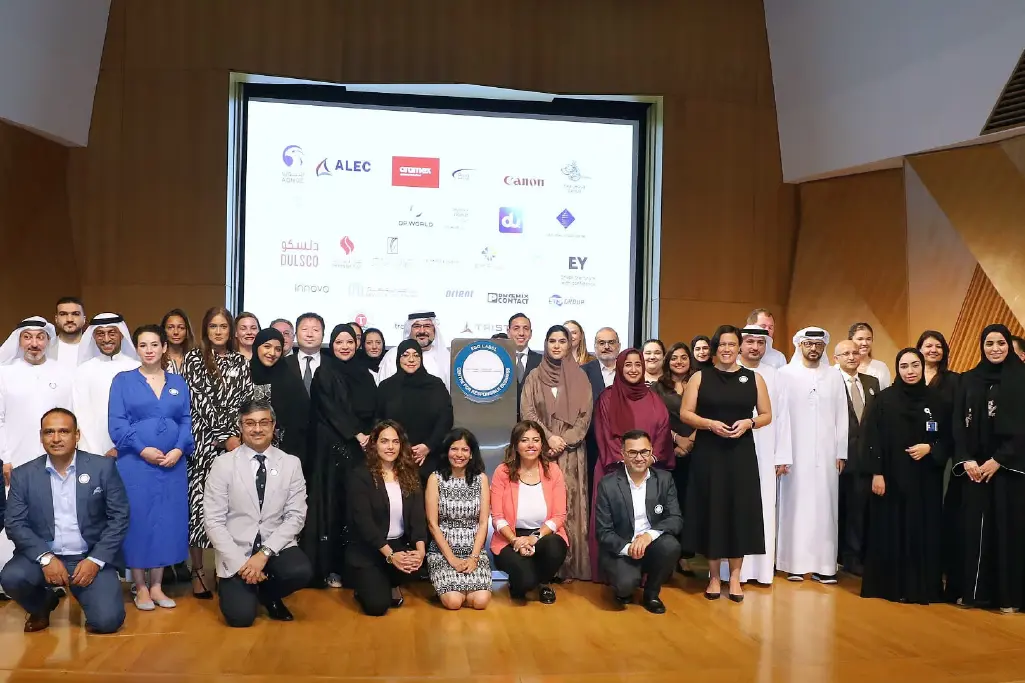
  • 27 Leading Dubai Companies Recognized with ESG Label for Sustainable Practices

    27 Leading Dubai Companies Recognized with ESG Label for Sustainable Practices

    The Dubai Chamber of Commerce awarded the prestigious Environmental, Social, and Governance (ESG) Label to 27 companies at the forefront of sustainable business practices. The announcement was made during the Chamber’s annual Sustainability Week, held from October 7-11, highlighting the city’s ongoing commitment to promoting sustainability and responsible business conduct.


    Among the recipients were industry leaders such as ADNOC Distribution, ALEC Engineering and Contracting, Aramex, Majid Al Futtaim, and Emirates NBD, reflecting a diverse range of sectors. The award recognizes these companies’ proactive efforts to implement sustainable strategies that not only benefit the environment but also address social concerns and promote good governance.


    Maha Al Gargawi, Vice President of Business Advocacy at Dubai Chambers, emphasized the importance of the ESG Label: “The Dubai Chamber of Commerce ESG Label is designed to encourage the business community to adopt and develop practices that positively impact society and the environment, promoting good governance by recognizing efforts to advance sustainability.”

    Building on a Legacy of Sustainability

    The ESG Label, developed by Dubai Chamber’s Centre for Responsible Business, serves as a tool to evaluate companies’ ESG readiness and maturity. Since its inception, the label has motivated numerous businesses to adopt sustainable practices and has reinforced Dubai’s reputation as a leader in ESG initiatives within the UAE.


    In past years, the Chamber has recognized various companies that integrated green policies, worker welfare programs, and governance frameworks, thereby setting benchmarks for sustainable corporate culture in the region.


    ESG’s Growing Impact in the UAE

    With increasing global attention to sustainable business, the UAE’s focus on ESG practices is intensifying. Research shows that companies adopting ESG frameworks not only reduce operational risks but also improve financial performance over time. Dubai’s recognition of companies through initiatives like the ESG Label aligns with broader UAE strategies aimed at enhancing environmental protection and social responsibility.


    Companies looking to enhance their sustainability credentials should consider applying for the ESG Label to demonstrate their commitment to sustainable development. Participating in such programs can improve corporate image and attract socially conscious investors.

  • UAE’s Food Sector to Add $10B to GDP, Create 20,000 Jobs by 2030

    UAE’s Food Sector to Add $10B to GDP, Create 20,000 Jobs by 2030

    The UAE food sector is poised for significant growth, projected to contribute $10 billion to the nation’s GDP and create 20,000 jobs by 2030. This announcement was made by Abdullah Bin Touq Al Marri, Minister of Economy, during the sixth edition of the Future Food Forum 2024.


    As the UAE strengthens its commitment to food security and economic diversification, these figures reflect the government’s ambition to solidify the nation’s role as a regional hub for sustainable food production and innovation.

    Previous Milestones in UAE’s Food Sector Growth

    Food security has long been a top priority for the UAE, with a target to reduce food imports by 50% by 2050. This commitment aligns with various government-led initiatives to enhance local production and sustainability.


    Past events such as the launch of FoodTech Valley and partnerships with Abu Dhabi Food Hub have demonstrated the UAE’s proactive approach to innovation in the food sector. These milestones highlight the country’s focus on self-sufficiency and long-term economic stability, key factors in supporting the projected $10 billion GDP contribution.


    The Future Food Forum 2024 also sheds light on the ongoing public-private collaborations that are pivotal in driving the food industry forward. Industry experts, including representatives from the F&B Business Group, emphasized the importance of integrating technology, sustainability, and innovation.


    The role of platforms like the Future Food Forum in shaping policy and facilitating sector leadership further cements the UAE’s status as a regional leader in food security and sustainability.


    For businesses and investors, the UAE’s thriving food sector offers tremendous opportunities. With a robust support system from both the government and private sector, now is the time to explore investments in this high-growth industry.

  • UAE Leads Tech Investment in 2024 Despite Global Downturn

    UAE Leads Tech Investment in 2024 Despite Global Downturn

    New statistics reveal that the UAE innovation and startups ecosystem proved resilient by recording an 11 % year-on-year (YoY) deal flow growth rate in H1 2024. It remained among the few markets in the region that registered YoY growth in the number of deals, which has been the latest trend.


    As of the latest MAGNiTT, a primary updated venture capital database for Emerging Venture Markets (EVMs), the emirates comprised 83 transactions between January and June 2024, retaining their third position after Singapure (120) and Turkiye (86), both of which represented a decline of 27 or 45%.


    Uae Leads Tech Investment in 2024


    The rest of the countries, like Saudi Arabia (63), ranked two places above to reach the fourth spot, while Indonesia (44) maintained its fifth position, registering three percent and thirty-five percent Year-on-Year degrowth, respectively. Of the top five countries, the UAE stands out again as the only nation to have experienced growth in deal flow during Q1 2024 at a steep double-digit growth rate.


    MAGNiTT Research Team Lead Farah el Nahlawi states that the first quarter was relatively sluggish in terms of funding, recording the UAE’s major slump since quarter three of 2019. However, the level of funding increased in the second quarter of 2024, where financing was two times higher than in the first quarter despite the two Eids and Ramadan, pressures known to cause dips in funding.


    According to BTR articles, “Despite a decline in the number of deals in the second quarter as compared to the first quarter, larger deal sizes were being recorded in the UAE and backing this case up with usual trends over the years. The last quarter of the year is referred to as the quarter that usually records the highest performance in the UAE.


    Also, considering many factors, including the fact that the increases recorded in the third quarter and fourth quarter of last year are repeated during the second half of this year. Plus, there will be further UAE technology sector growth, in terms of both deals and funding,” El Nahlawi. In response to which sectors are expected to garner investment, she mentioned that fintech, real estate, building and construction, and infrastructure have elevated during the first half of 2024.


    “Like the MENA (Middle East and North Africa) region, fintech continues to be attractive in the UAE; but… Looking at the year’s first half, we also witnessed fascinating trends in services such as real estate, construction and infrastructure. Each went up by at least four rankings, reaching the top five in terms of the amount of funding received,” she explained.


    The UAE and Saudi Arabia are on top.


    Diving into how much the countries in the survey raised in the first half of the year, Egypt (which has dynamic and rapid growth in the startup investment market) ranked second and attracted investments worth $412 million. The UAE improved to fifth position with $225 million attracted. Both countries saw a decrease in funding by seven and nineteen percentage points, respectively. Singapore still holds that position with 1.324 billion in funding. Thailand raised 372 million despite the changing funding dynamics during the first half.


    The fintech sector emerged on top with a record funding of $1.097 billion across 128 deals. Year-on-year, overall funding and deals in the Emerging Venture Markets (the Middle East, Africa, Pakistan, Turkiye and Southeast Asia) were down by 34%. Exits were down even more by 52 per cent. The drop in funding is caused by the general downturn in the number of so-called mega-rounds (more than 100 million US dollars) in the overall and developing markets as the investors’ appetite has changed back to the early stage investing.


    Popular Sectors For Tech Investment in the Middle East


    Fintech emerged as the dominant sector with total funding of $1.097 billion spread over 128 deals. In the region, Singapore podium finished in first place as it managed to get 38% of the total funding $3.469 Billion through 120 deals. Informal e-commerce/retail funding also fell by 47% to $601 million, rank in the second position, whereas IT Solutions rank improved by two places to the third position thanks to a 41% YoY growth in funding to $321 million.


    UAE leads tech investment


    The fintech industry has demonstrated its prowess by recording the highest funding of $1.097 billion across 128 deals. In comparison to that, overall funding and deals within the scope of the Emerging Venture Markets (which include the Middle East, Africa, Pakistan, Turkiye and Southeast Asia) experienced a decline of 34% compared to the previous year. Exits also suffered a great deal of cutback, by 52%, in fact. The decrease in the number of funds available for deployment is attributed primarily to the marked decline in so-called mega-rounds (over 100 million US dollars) globally and in developing countries as the cash available has swung back towards early-stage focused investments.


    Fintech remains the most funded, with all its funding summing up to $1.097 billion over 128 deals, while in this region, the third highest earning Singapore podium has the highest at 38% out of the total funding of $3.469 Billion in 120 deals. Informal e-commerce/retail funding also fell by 47% to $601 million, rank came in the second position, whereas IT Solutions rank improved by two places to the third position thanks to a 41% YoY growth in funding to $321 million.


    Investors Point of view


    Due to an absence of late-stage funding, which represents the bulk of mega-round funding, overall funding levels dipped, although more activity was recorded at the earlier stages. The first six months of the year highlighted continued investor focus on SEED and pre-Series A deals.


    In the Mena region, there has been a consistent increase in the $1 million-$5 million round size, with the percentage tripling from 15 per cent in 2020 to 45 per cent in the first half of 2024. There has been a downward correction as concern for excessive overvaluation in cases of startup early-stage funding reached its peak in growth in 2023 and even reverted back to the levels there before the Covid-19 outbreak.


    Similarly, investors’ participation in the respective region declined. While funding levels overall declined, the number of investors in regional startups increased by 30 percent. This shows that the Mena startup ecosystem still attracts above-threshold black interest from regional and global investors.


    Speaking to the media, Philip Bahoshy, the CEO of the investment platform MAGNiTT, asserted that there is still a great deal of international interest in the region. He added that government backing and fresh fund setback announcements would spur positive growth in the entire region come the latter half of 2024 through 2025. There has also been a notable increase (130 percent) in the number of funds, such as Golden Gate Ventures, Shorooq Partners, Investcorp Bahrain, and ADQ, saying they will come into the region.


    Philip Bahoshy noted that however much the report captures the decline in venture investments on a global scale, it also points out some of the positive signals which suggest that the Mena region is at an inflection point regarding Venture capital activities. Furthermore, Our data indicates that the quarter-on-quarter growth will persist, although at a moderate pace in the next few quarters,” said Philip Bahoshy, chief executive officer of MAGNiTT. In his view, adjustments in valuations to more conservative levels have rendered the prospects of early-stage investments more appealing than in the last few years.


    “International attention in the region remains at an all-time high, and given the government backing and new fund launches expected during the second half of 2024 and early 2025, a positive uptrend is very likely,” he said.


    Most Difficult Issues


    El Nahlawi mentioned that total funding in the UAE was 19 percent lower in the first half of 2024 compared to the previous year. While this seems alarmingly steep for Mena, it is still much more resilient compared to the 34 percent dip in funding.


    “Deal count in the UAE grew by 11 per cent compared to the first half of 2023, while Mena declined by 18 per cent. Additionally, the UAE was the only country in the top five for Mena by deals to report increases in deal numbers amid the declines,” she concluded.


    “Certainly, it is important to note that there are wars among top markets in the region as the competition.e.’ between Saudi Arabia and the UAE has significantly reduced from the position it was in five years back, yet in all of the high-performing geographies, the UAE is positioned at the apex and beats Mena average in terms of deals and funding growth,” she explained.


    El Nahlawi noted that an 11 percent growth in transactions made during the first semester placed the UAE at the top of the deal activity charts and predicted that the emirate would sustain this growth in the second half of the current year.


    “Up until this moment within this year, in which we consider the first half of 2024, the deal activity surpassed the first half of 2023 both in absolute volumes and within the ranges of the previous eight quarters deal activity, the third quarter which is usually affected by regional summer lull in activities is also typically followed by a very busy fourth quarter of activities where many deals announcement and activities take place, therefore growing on previous years’ activity and data, should the UAE stays within the same averages, there is a possibility that the deal-making could still keep increasing within the last half of 2024”, El Nahlawi stated.

  • Complete Guide on How to Get an Import-Export Business License in Dubai

    Complete Guide on How to Get an Import-Export Business License in Dubai

    Dubai has one of the world’s fastest-growing markets, which makes it a great place to do business. With good sea and air links, the UAE is only an 8-hour trip away for two-thirds of the world’s people. There are many ways to make money in Dubai, but the import-export business is one of the best. Setting up an import-export business in Dubai is easy because it has modern facilities and is in a great location. To help with this, the government has set up a number of e-services to make it easier to buy and export goods.

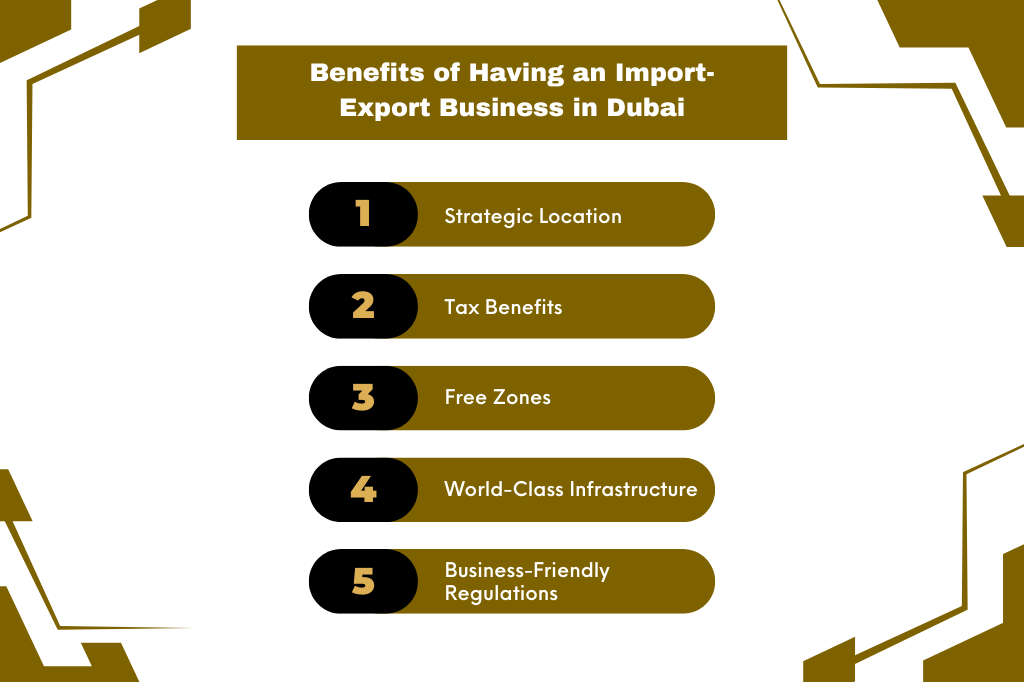
    Benefits of Having an Import-Export Business in Dubai

    • Strategic Location: Dubai connects major global trading routes between East and West.
    • Tax Benefits: No corporate or personal income taxes for most businesses.
    • Free Zones: Numerous free zones offer 100% foreign ownership and no import/export duties.
    • World-Class Infrastructure: Advanced ports, airports, and logistics facilities.
    • Business-Friendly Regulations: Simplified processes for starting and operating businesses.

    How to Get an Import-Export Business License in Dubai

    Getting a trading or general dealing license from the right people is the first thing you need to do to start an import-export business in Dubai. You can bring goods into and out of the country with this license. You need to sign up with the Dubai Customs department once you have the business license. For special or limited items, you need extra permission from the right government offices. For example, the Dubai Police need permission to trade in gold, the Dubai Narcotics Department needs permission to trade in chemicals, and the Dubai Municipality needs permission to trade in food items.

    Step-by-Step Guide to Getting an Import-Export Business License in Dubai

    1. Reserve the Trade Name:
      • Choose a unique trade name for your company.
    2. Select the Trading Activity:
      • Determine the specific trading activities your business will engage in.
    3. Appoint a Local Sponsor:
      • A local sponsor is required to start a business in Dubai.
    4. Select a Location:
      • Choose an office, shop, or warehouse location and secure a rent agreement.
    5. Sign the Memorandum:
      • Sign the memorandum of the company at the UAE notary public or the Department of Economic Development (DED) via E-agreement.
    6. Submit Documents to DED:
      • Submit the necessary documents to the DED and receive a payment voucher.
    7. Pay the Fees:
      • Pay the required fees to obtain your business license.
    8. Register with the Immigration Department:
      • Register your company with the immigration department.
    9. Get an Investor/Partner Visa:
      • Obtain an investor or partner visa for the company owner.
    10. Register with Dubai Customs:
      • Register your company with Dubai Customs and obtain an import-export code.
    11. Start Importing or Exporting Goods:
      • Once all registrations and approvals are complete, you can begin your import-export activities.

    Cost of an Import-Export Business License in Dubai

    The cost of obtaining an import-export business license includes:

    • Trade License Cost: Approximately AED 13,500
    • Import Export Code Fees: AED 350
    • Local Agent Service Fee: AED 10,000
    • Office Rent: Subject to availability, location, and area of the office (virtual office options available)

    Note: All fees are illustrative and subject to change.

    Documents Required for an Import-Export Business License

    To start an import-export business in Dubai, you need to submit the following documents to the DED:

    • Company name reservation choices
    • Company registration application form
    • Passport copy of the owner
    • Visa copy (visit visa or residence visa)
    • NOC letter from the current sponsor if the owner is already working in the UAE

    Dubai Customs Procedure:

    • Trade license
    • MOA of the company
    • Passport copy of the owner
    • Visa copy (visit visa or residence visa)
    • Rent agreement
    • Fees payment receipt

    Conclusion

    Starting an import-export business in Dubai is a promising venture due to its strategic location, modern infrastructure, and business-friendly environment. By following the steps outlined in this guide, you can obtain the necessary licenses and registrations to launch your business.

    For a hassle-free setup, DXB-VIP can assist you with the entire process, from obtaining licenses to handling all necessary documentation, ensuring a smooth start for your import-export business in Dubai.

  • How to Get  a Mortgage in Dubai as a Non-Resident?

    How to Get a Mortgage in Dubai as a Non-Resident?


    Foreign investors have been buying property in Dubai for years because it has world-class facilities, a great location, and policies that are friendly to investors. Many people think it’s hard to get a mortgage in Dubai if you’re not a local, but the process is actually easy and open to everyone. Here is a complete guide on how people who don’t live in Dubai can get a mortgage.

    Understanding the Mortgage Market in Dubai

    Non-residents can get a mortgage in Dubai in a number of different ways. Foreigners can borrow money from banks in Dubai as long as they meet certain requirements. Lenders are more interested in how well the applicant can pay back the loan, which is based on their income and security rather than where they live.

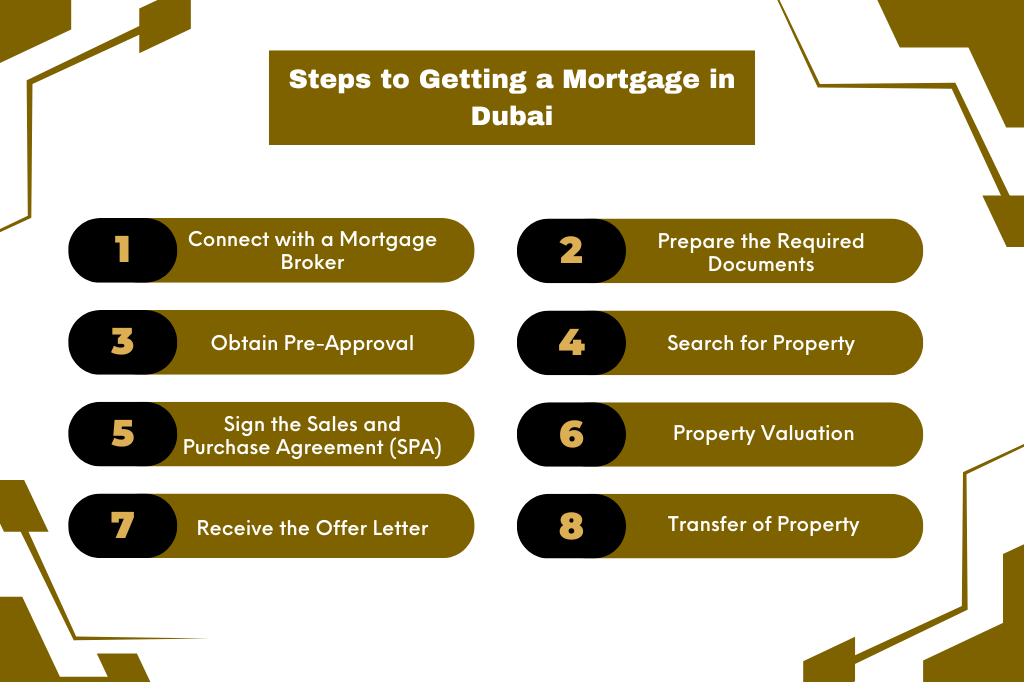
    Steps to Getting a Mortgage in Dubai

    1. Connect with a Mortgage Broker


    You don’t have to choose a home in Dubai before you apply for a mortgage. First, get in touch with a bank broker. They can help you through the whole process. Mortgage brokers know about the newest deals that different banks are giving and can help you find the best one. Most of the time, their services are free.


    1. Prepare the Required Documents


    People who don’t live in Dubai must provide certain papers in order to apply for a mortgage there. These usually consist of:

    • Proof of ownership of any businesses
    • Financial statements: The last 12 months of bank statements for both personal and business accounts


    Unlike some countries where salary slips are required, Dubai’s banks focus more on steady income, making it easier for business owners and self-employed individuals to qualify.


    1. Obtain Pre-Approval


    An important step that lets you know how much you can borrow is getting pre-approved. It also lets sellers know that you mean business as a buyer. After the first set of papers are sent in, pre-approval usually takes about a week.


    1. Search for Property


    The real estate market in Dubai moves quickly because agents are paid by fee and are very eager to close deals. When looking for a home, think about these things:


    • Suitability for both short-term holiday stays and long-term living
    • Prime locations such as Dubai Marina, which is known for its appeal and investment potential


    1. Sign the Sales and Purchase Agreement (SPA)


    The SPA spells out the terms of the sale and protects both the buyer and the seller. It is a legally binding document. It lists the price that was decided upon and promises that the deal will be completed within a certain amount of time, usually two months. Once the SPA is signed, the house will not be advertised any further. If either party backs out, they usually have to pay a 10% penalty, unless the mortgage is not accepted.


    1. Property Valuation


    Once you sign the SPA, the bank will look at the property to see how much it’s worth on the market and if it’s a good fit for the mortgage. This service generally costs about 1000 dirhams, which is paid for by the buyer.


    1. Receive the Offer Letter


    After the home is valued, the bank will send an offer letter with all the mortgage terms. To sign this paper, you will need to go to the bank in person. The bank will give you a manager’s check for the debt amount after you sign.


    1. Transfer of Property


    You can move the property into your name once you have the manager’s check. This process usually takes place at the office of the trustee, and both the buyer and the sale must be there. You can give power of attorney to someone else to represent you if you can’t be there. The move process is quick and easy, and it’s usually done in just a few minutes.

    Benefits of Getting a Mortgage in Dubai as a Non-Resident

    Minimal Documentation

    As a visitor with a tourist visa, you don’t need to show much paperwork. You only need to show proof that you own the business and bank records from the last 12 months. Residents, on the other hand, need to send in more detailed paperwork.

    Fast Process

    Getting a mortgage is a quick process that’s usually done in a few weeks. You don’t have to wait to apply for a mortgage until you can legally live in the country.

    Eligibility for a Golden Visa

    You can apply for a Golden Visa if you buy property worth at least 2 million dirhams. This long-term residence visa lets you live and work in Dubai without a sponsor. This makes it a good choice for business owners and investors.

    In Conclusion

    It is possible to get a mortgage in Dubai even if you don’t live there. With the right help, it’s also pretty easy. You can get a house in this exciting city if you talk to an experienced mortgage broker, get all the paperwork ready, and understand the process. Dubai real estate investing is a good idea because of the benefits, such as the low paperwork needs, quick approvals, and the chance to get a Golden Visa.


    DXB-VIP has a team of experts who can help you with any part of the service you need, making sure that your mortgage application goes smoothly and quickly.

  • Can a Retail Business Owner Open a Bank Account in the UAE?

    Can a Retail Business Owner Open a Bank Account in the UAE?

    Retail enterprises are flourishing in the United Arab Emirates (UAE), which provides a vibrant market and lots of room to grow. Opening a bank account is a crucial step for any owner of a retail business operating in the United Arab Emirates. The steps, prerequisites, and advantages of opening a bank account for retail business owners in the United Arab Emirates are examined in this article.

    Why Open a Bank Account?

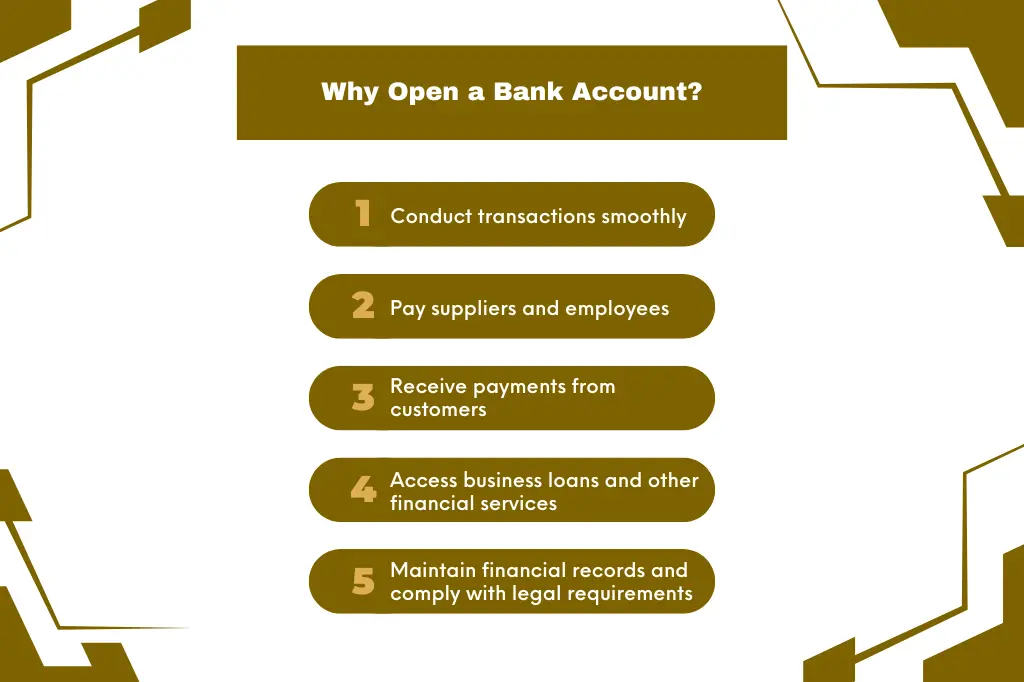
    Having a bank account is crucial for managing your business finances effectively. It allows you to:

    • Conduct transactions smoothly
    • Pay suppliers and employees
    • Receive payments from customers
    • Access business loans and other financial services
    • Maintain financial records and comply with legal requirements


    Eligibility Requirements

    To open a bank account in the UAE, retail business owners must meet specific eligibility criteria. These requirements may vary slightly depending on the bank, but generally include:

    1. Business License

    You must have a valid business license issued by the relevant authorities. This license confirms that your business is legally registered and authorized to operate in the UAE.

    2. Proof of Business Address

    Banks require proof of your business address, which can be in the form of a lease agreement or utility bill. This ensures that your business is physically located within the UAE.

    3. Passport and Visa Copies

    You will need to provide copies of the passports and visas of all shareholders and authorized signatories. This verifies the identity and residency status of the individuals involved in the business.

    4. Memorandum of Association (MOA)

    The MOA outlines the business structure, ownership, and the scope of activities. It is a crucial document for the bank to understand the nature of your business.

    5. Bank References

    Some banks may require references from your existing bank, especially if you have an established banking relationship elsewhere. This helps the new bank assess your creditworthiness and financial history.

    Steps to Open a Bank Account

    1. Choose the Right Bank

    Select a bank that offers services tailored to the needs of retail businesses. Consider factors such as account features, fees, online banking options, and customer service.

    2. Prepare Documentation

    Gather all necessary documents, including your business license, proof of address, passport and visa copies, MOA, and any bank references. Ensure all documents are up-to-date and in order.

    3. Submit the Application

    Visit the chosen bank or submit your application online if available. Provide the required documents and complete the account opening forms. Some banks may require you to meet with a bank representative to discuss your business needs and account options.

    4. Initial Deposit

    Some banks require an initial deposit to activate your account. The amount varies depending on the bank and the type of account you choose.

    5. Account Approval

    The bank will review your application and documents. This process can take a few days to a few weeks. Once approved, you will receive your account details, and you can start using your bank account for business transactions.

    Benefits of Having a Bank Account

    Opening a bank account in the UAE offers several advantages for retail business owners:

    • Improved Financial Management: Efficiently manage your cash flow, payments, and receipts.
    • Access to Banking Services: Benefit from credit facilities, loans, and other banking services tailored for businesses.
    • Enhanced Credibility: Having a local bank account enhances your business’s credibility with suppliers and customers.
    • Compliance: Meet legal and regulatory requirements, ensuring smooth business operations.

    Conclusion

    Retail business owners can indeed open a bank account in the UAE by following a structured process and meeting specific requirements. This essential step facilitates efficient financial management and supports business growth. For expert assistance in opening a bank account and other business-related services, DXB-VIP has a team of experts that can help you with everything related to the service required.

  • The Dubai real-estate market, a bubble or an opportunity? And why there will be no chicken Coop in Dubai

    The Dubai real-estate market, a bubble or an opportunity? And why there will be no chicken Coop in Dubai

    In recent years, an interesting debate has emerged in Dubai’s real estate market: is it an economic bubble or a stable market based on strong economic fundamentals? This is a question everyone should ask themselves and form an opinion on before investing in real estate in Dubai.


    In many discussions, whether among ourselves or with clients, brokers, and other market players, this topic keeps coming up. It reminded me of the days when I was a young intern at an accounting firm in the region. Almost 20 years ago, there was a trend to invest in land in Romania. Not apartments, not villas, but land. Many investors, including those from the middle class, sought lucrative investments and bought land in Romania, hoping for high returns.


    Although many investors made a profit, the gains were mainly from selling to other investors, reaping a handsome profit. Like a game of musical chairs, eventually, the music stopped, and we discovered that these were agricultural lands where no buildings could be constructed. No buildings would grow there, and no official had plans to change the land’s designation. Many were left stuck with agricultural land in Romania, essentially with chicken coops and potatoes.


    Does this mean that the fate of real estate investors in Dubai will be similar to that of land investors in Romania? Absolutely not. Those who invested in Romania did so based on speculation and belief in their ability to “flip” the land or change its designation. In Dubai, real estate prices are rising due to the influx of people coming to live and work in the city, enjoying the high quality of life and low tax regime, and the emirate leaders’ plans to double the city’s population in the next 15 years.


    While I do not intend to discuss whether the price increases are justified, there is no doubt that the basis for purchasing real estate in Dubai is more solid than land in Romania. In Dubai, those who believe real estate prices will continue to rise have strong arguments that are not based on shaky grounds.


    At Emirati, we will not recommend agricultural land or chicken coops, but we are happy to assist you with anything related to real estate investments in Dubai. Good luck!

  • How to Start a Food and Drink Business in Dubai, United Arab Emirates (2024)

    How to Start a Food and Drink Business in Dubai, United Arab Emirates (2024)

    There are a lot of job opportunities in the food and drink business in Dubai, which is a big part of the UAE’s amazing economic growth. Now is the best time to start your business, whether it’s a grocery store, a food truck, a café, a food catering service, or a food packing business. This is why.

    The UAE has one of the Middle East’s fastest-growing economies. Over the past few years, the food business has grown a lot. In 2023, it’s expected to bring in $37.8 billion. But there are certain things you need to do to start a business here. You can learn everything you need to know to start a food and drink business in Dubai from this book.

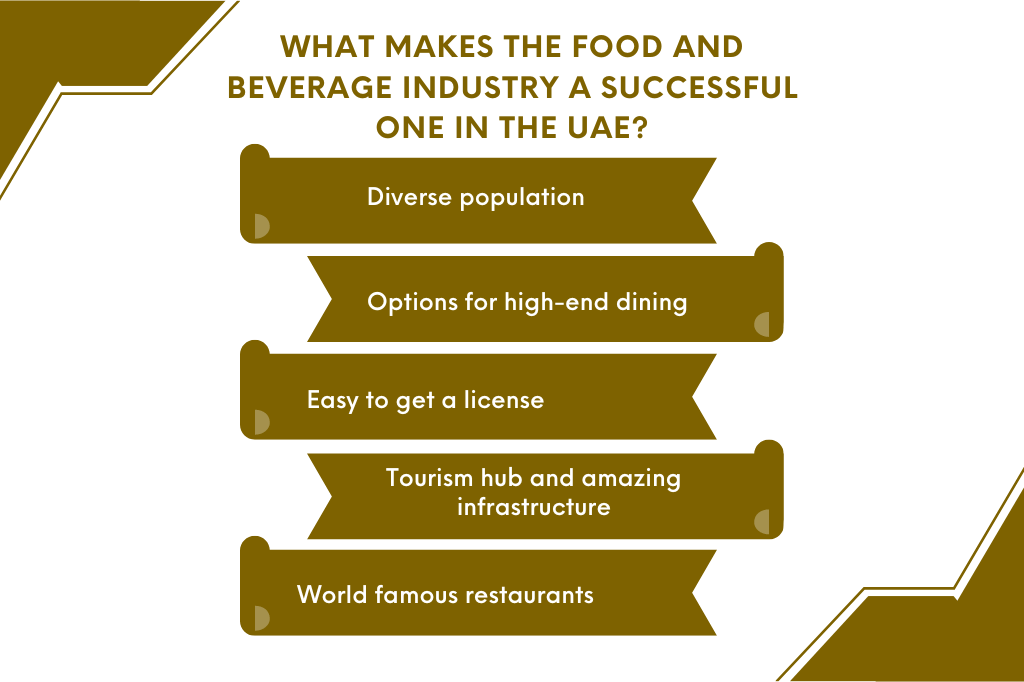
    Key Factors Driving the Growth in Dubai’s Food and Beverage Industry

    • Wide Range of People: People from more than 200 countries live in Dubai, which makes the market lively and full of people looking for different kinds of food and meal experiences.
    • Options for high-end dining: More and more people want to have high-end dining experiences, which is causing the need for these places.
    • Easy to Get a License: In Dubai, getting a license is quick and easy, which makes it easier for people to start their own businesses.
    • Tourism Hub: Every year, more than 14 million people visit Dubai, which makes it a great place for startups to grow.
    • Outstanding Infrastructure: Dubai has state-of-the-art infrastructure that goes above and beyond what is expected around the world.
    • Famous Restaurants: Dubai has the first Michelin-starred restaurant in the Middle East, which shows how good the food is there.

    What You Need to Do to Start a Food and Drink Business in Dubai

    1. Think about the costs—feasibility of the market:
    A lot of money is needed to open a restaurant. Here’s a rough idea of how much it will cost:

    • Fee for a license: AED 5,500 to 13,00
    • Space for rent or lease: AED 90 to 160 per square foot
    • AED 80K to AED 10K for buying tools and buildings
    • AED 12K to 15K for quality assurance and compliance
    • Spending on other things: AED 50K

    The exact amounts depend on where the business is located, how big it is, and other things.

    2. Choose the Business Model:
    Learn about the business and what people in your area want. Some popular models are:

    • There are restaurants, cafés, and food trucks that serve both relaxed and fancy food.
    • The Foodstuff Business acts as a supply chain for food items in bulk.
    • Food catering is the service of bringing food to events and meetings.
    • Food packaging: coming up with designs and providing package materials.
    • Bakeries are businesses that make baked goods.
    • Cloud Kitchens runs virtual kitchens that send food online.
    • Producing food on a large scale means making packed foods.

    Also Read: Launching Your Food Truck Business in Dubai – A Guide to Success

    3. Get a No-Objection Certificate (NOC).
    This is needed for some food businesses, like food trucks or booths that aren’t selling food at an event.

    4. Get the licenses you need.
    You’ll need a food license and a trade license. It ranges in price from AED 5,510 to AED 11,500, based on the type of restaurant. The Food Safety Department gives out the Food License.

    5. Choose a Location:
    Pick a location based on how visible it is, the type of customers you want to attract, how much it costs, and how close it is to vendors.

    6. Make a menu:
    Carefully plan your menu to cover your costs and bring in people. Make changes as needed based on what the customer wants.

    7. Plan the layout of the restaurant.
    Make sure your plan meets certain requirements, like having a good ventilation system and a well-thought-out store area.

    8. Spend money on technology:
    For billing, order handling, and keeping track of inventory, use a strong point-of-sale (POS) system.

    9. Hire the Right People:
    Use clear job descriptions and in-depth interviews to find suitable people to work for you.

    10. Comply with the Law:
    To keep things running smoothly, make sure you follow rules about food safety, halal requirements, and importing and exporting.

    If you do it right, starting a food and drink business in Dubai can be very profitable. Dubai has a lot of possibilities, but it’s important to follow the law.

    DXB-VIP can help you get the necessary forms and approvals for your food and beverage business in the UAE so that you can start running your business without any problems.

  • Choosing the Right Free Zone in the UAE for Your Business

    Choosing the Right Free Zone in the UAE for Your Business

    Business owners and investors from around the world always want to set up shop in the UAE. A huge number of people, millions of them, want their business to be in the UAE. Because of many things, the UAE is a good place to start a business. This is appealing because it has many free zones, each with its own business-friendly features. Choosing the right free zone can have a big impact on how fast your business grows and how much money it makes. This piece talks about how to pick the best free zone in the UAE for your business.

    Understanding Free Zones

    In the United Arab Emirates, there are special places called “free zones” where businesses can run without having to follow certain rules or pay taxes. These zones are meant to boost economic growth and bring in foreign investment. Common benefits include not having to pay personal income taxes, sending all of your profits back to your home country, not having to pay import or export taxes, and having 100% foreign ownership.

    Key Factors to Consider

    1. Nature of Business Activity

      Different free zones are better for different types of businesses. There are free zones that are specifically made for technology and new ideas. Other areas of focus include healthcare, banking, logistics, and the media. If you want to use specialized services and equipment, you need to choose a free zone that fits with the type of business you run.

    2. Location

      Your choice may be much influenced by the free zone’s geographic position. Think of things like closeness to important markets, proximity to airports and seaports, and the general corporate environment. The strategic location of a free zone helps supply chain management and logistics to be more simple.

    3. Licensing and Regulatory Requirements

      In each free zone, there are different rules and processes for getting licenses that are only used there. Because there are so many types of licenses out there, some may give you more freedom and others may have stricter rules. Fully knowing these standards is important to make sure they fit with how your business works and what it needs is also important.

    4. Cost Structure

      Different businesses in a free zone have different prices for starting up and running their businesses. This includes the cost of registering the business, paying to renew licenses every year, getting office space, and any other costs that come with running a business. We strongly advise that you compare the prices of different free zones and choose the one that fits your budget without sacrificing the quality of important services.

    5. Facilities and Infrastructure

      Take a look at the free zone’s buildings and infrastructure. This includes places to work, store things, make things, and get services. A free zone with modern services can help your business run more smoothly and get more done.

    6. Networking Opportunities

      Working with people in a free zone can help you make useful connections. You might want to think about free zones that hold events, workshops, and seminars on a regular basis and give people the chance to meet other businesses, possible customers, and investors.

    7. Government Support and Incentives

      To get businesses to move into their free zones, some give extra benefits like grants, subsidies, or support services. These can come in the form of help with promotion, programs to help businesses grow, or lower costs for some activities. You should look into these rewards to get the most out of them for your business.

    Conclusion

    To make the right choice about which free zone in the United Arab Emirates to use, you need to carefully consider a lot of different factors. It is possible to make an environment that is good for your business to grow and expand by matching your needs with the services that the free zone offers. There is a team of representatives at DXB-VIP who can help you with everything related to the service that you need. They can help you through the tough processes of choosing a free zone and setting up your business.

    FAQs

    What are the benefits of setting up a business in a UAE free zone?

    Setting up a business in a UAE free zone offers several benefits, including:

    • 100% foreign ownership
    • No personal or corporate income taxes
    • Full repatriation of profits and capital
    • Exemption from import and export duties
    • Simplified company incorporation process
    • Access to modern facilities and infrastructure
    • Opportunities to network with other businesses in the zone

    When choosing a free zone, consider the following factors:

    • The nature of your business activity: Some free zones cater specifically to certain industries like technology, healthcare, logistics, etc.
    • Location: Proximity to key markets, airports, and seaports can influence your choice.
    • Licensing requirements: Different free zones have different licensing and regulatory requirements.
    • Cost structure: Compare setup and operational costs across different free zones to find one that fits your budget.
    • Facilities and infrastructure: Ensure the free zone has the necessary infrastructure to support your business operations.
    • Networking opportunities: Look for free zones that offer events and seminars for business networking.
    • Government support and incentives: Some free zones offer additional incentives like grants or subsidies.

    Generally, businesses established in a UAE free zone are only allowed to operate within the free zone and can conduct business internationally. If you wish to operate within the mainland UAE, you will need to work with a local distributor or set up a branch office. Each free zone has its own regulations, so it’s essential to check with the specific free zone authority for detailed guidelines on conducting business outside the free zone.

    Setting up a business in a UAE free zone offers several benefits, including:

    • 100% foreign ownership
    • No personal or corporate income taxes
    • Full repatriation of profits and capital
    • Exemption from import and export duties
    • Simplified company incorporation process
    • Access to modern facilities and infrastructure
    • Opportunities to network with other businesses in the zone

    When choosing a free zone, consider the following factors:

    • The nature of your business activity: Some free zones cater specifically to certain industries like technology, healthcare, logistics, etc.
    • Location: Proximity to key markets, airports, and seaports can influence your choice.
    • Licensing requirements: Different free zones have different licensing and regulatory requirements.
    • Cost structure: Compare setup and operational costs across different free zones to find one that fits your budget.
    • Facilities and infrastructure: Ensure the free zone has the necessary infrastructure to support your business operations.
    • Networking opportunities: Look for free zones that offer events and seminars for business networking.
    • Government support and incentives: Some free zones offer additional incentives like grants or subsidies.

    Generally, businesses established in a UAE free zone are only allowed to operate within the free zone and can conduct business internationally. If you wish to operate within the mainland UAE, you will need to work with a local distributor or set up a branch office. Each free zone has its own regulations, so it’s essential to check with the specific free zone authority for detailed guidelines on conducting business outside the free zone.

  • Launching Your Food Truck Business in Dubai – A Guide to Success

    Launching Your Food Truck Business in Dubai – A Guide to Success

    Introduction

    Dubai presents a fertile ground for food truck businesses due to its cosmopolitan population and vibrant tourist sector. Entering the food truck market here means tapping into a dynamic field where quick meals and gourmet snacks are in high demand. This guide provides detailed insights into every aspect from conception to operation, tailored to help you navigate the complexities of establishing a food truck business in Dubai.

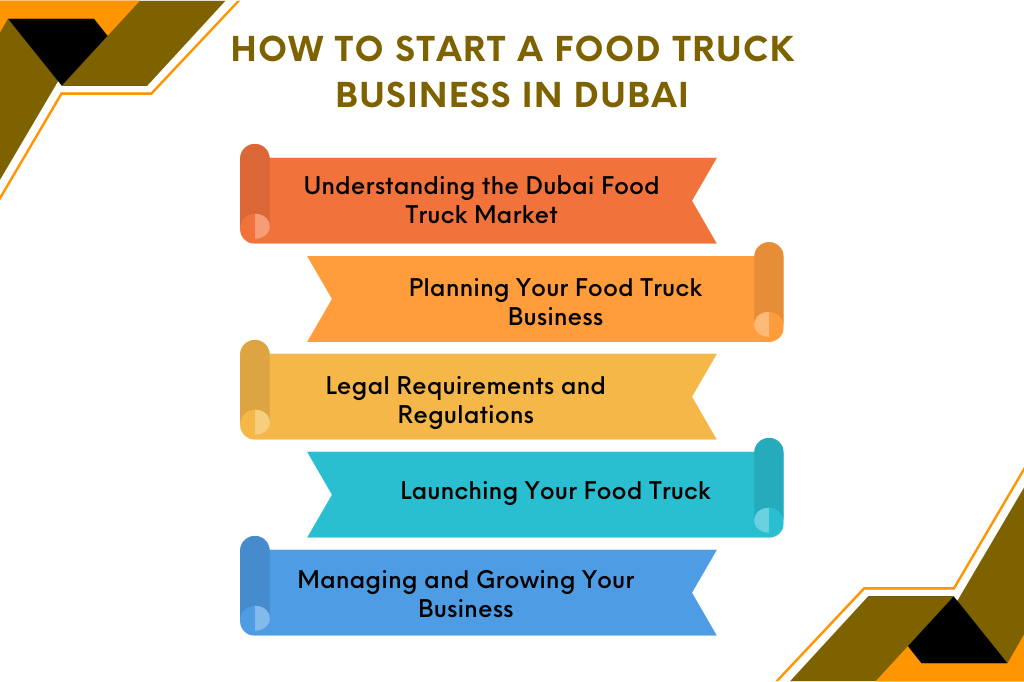
    Understanding the Dubai Food Truck Market

    Why Start a Food Truck in Dubai?

    Dubai’s food truck scene offers flexibility and lower operational costs compared to traditional restaurants, appealing directly to a diverse clientele in various dynamic environments such as festivals and local markets. The low overheads and the ability to relocate based on consumer demand make this model particularly lucrative.

    Current Trends in Dubai’s Food Truck Scene

    The food truck scene is characterized by a blend of international flavors and innovative culinary experiments. Trucks offering unique, Instagram-worthy presentations are popular, indicating a market leaning towards visually appealing, gourmet food experiences.

    Planning Your Food Truck Business

    Crafting a Business Plan for Your Food Truck

    A robust business plan is essential. It should detail your business concept, target market, marketing strategies, financial projections, and operational structure. This document serves as the roadmap for your business and a persuasive tool for potential investors.

    Choosing the Right Food Truck Model

    Deciding between buying and leasing a food truck involves evaluating your financial capacity and business goals. Customization plays a critical role in the truck’s functional efficiency and aesthetic appeal, turning it into a moving advertisement for your brand.

    Legal Requirements and Regulations

    Submit a Compelling Business Plan to the DED

    Presenting a well-crafted business plan to the Department of Economic Development (DED) in Dubai is crucial for gaining approval to operate. This plan should convincingly outline how your business fits into the market and meet the regulatory requirements.

    Get Your Trade Licence and Approvals

    Acquiring a trade license from the DED, along with necessary approvals from Dubai Municipality and other relevant authorities, is mandatory. This step ensures compliance with local laws, health, and safety standards.

    Launching Your Food Truck

    Name Your Food Truck and Register Your Company

    Choosing a unique name that reflects your brand’s identity is crucial. Registering the business and the name through the DED establishes your legal presence and protects your brand.

    Marketing Your Food Truck in Dubai

    Effective marketing strategies are crucial for making your food truck stand out. Utilizing both online and offline marketing tools can help reach a broader audience, enhancing brand visibility and customer engagement.

    Managing and Growing Your Business

    Day-to-Day Operations and Best Practices

    Efficient workflow, skilled staff, and excellent customer service are crucial for smooth operations and ensuring customer satisfaction. Consistently delivering high-quality food and service fosters customer loyalty and aids in business growth.

    Expanding Your Reach

    Consider scaling your operations by adding more trucks or diversifying your menu to adapt to changing market demands and to continue attracting customers.

    Conclusion

    Launching a food truck in Dubai can be a thrilling and profitable venture if approached with thorough preparation and understanding of the local market. Remember, every step from planning to execution contributes to the overall success of your business. This guide aims to equip you with the knowledge and tools needed to make informed decisions and maximize your chances of success in this thriving market. For more detailed guidance and support, consider contacting DXB-VIP to help navigate the complexities of starting a food truck in Dubai. Take the plunge and turn your culinary dreams into reality!