Author: seo

  • UAE Small Businesses Must File Corporate Tax Returns Even If No Tax Is Due

    UAE Small Businesses Must File Corporate Tax Returns Even If No Tax Is Due

    Small businesses across the UAE are being reminded that having no Corporate Tax to pay does not mean they can skip their tax return.

    The Federal Tax Authority (FTA) has reiterated that businesses eligible for Small Business Relief must still submit their Corporate Tax returns within the required deadline, even when the relief means they are treated as having no taxable income.

    The clarification is particularly important for small companies and entrepreneurs who may assume that staying below the UAE’s AED 3 million revenue threshold automatically removes their tax obligations.

    It does not.

    Businesses that qualify for Small Business Relief can benefit from a simplified Corporate Tax filing process, but they must still meet the applicable registration, filing and record-keeping requirements.


    No Tax due does not mean no filing

    One of the biggest misunderstandings surrounding UAE Corporate Tax is the difference between tax liability and tax compliance.

    A business may have no Corporate Tax payable for a particular Tax Period, but it can still have an obligation to file a Corporate Tax return.

    The FTA has specifically confirmed that eligibility for Small Business Relief does not remove the requirement to submit a return. Businesses that elect for the relief benefit from a simplified return, meaning less information may need to be provided, but the filing requirement remains.

    This distinction is important for owners of small companies, startups, professional services firms and other businesses operating in Dubai and across the UAE.

    Simply assuming that “no tax is due” means “nothing needs to be filed” could result in unnecessary compliance issues.


    What Is Small Business Relief?

    Small Business Relief is designed to reduce the Corporate Tax burden and compliance costs for eligible smaller businesses in the UAE.

    Under the current rules, an eligible Resident Person can elect for the relief where its revenue does not exceed AED 3 million during the relevant Tax Period and all previous Tax Periods covered by the rules.

    When the conditions are satisfied and the relief is properly elected, the business is treated as having no taxable income for Corporate Tax purposes for that Tax Period.

    This can significantly simplify the tax position of a qualifying small business.

    However, the relief is not an automatic exemption from the UAE Corporate Tax system.

    The business still needs to follow the applicable procedures, including making the election through its Corporate Tax return.

    Who can benefit from the relief?

    Small Business Relief is available to qualifying UAE Resident Persons, which can include both natural persons and juridical persons, subject to the applicable conditions.

    The most important condition is the revenue threshold.

    A business must have revenue of AED 3 million or less for the relevant Tax Period and all previous Tax Periods to which the rule applies.

    This means business owners should not look only at their current year’s revenue.

    For example, a company generating AED 2.5 million in the current Tax Period may appear to qualify. However, its previous Tax Periods must also be considered when determining eligibility.

    Businesses should therefore maintain accurate historical financial records and check their position before electing for the relief.

    The AED 3 Million Threshold

    The AED 3 million threshold is one of the most important figures for UAE small businesses to understand.

    It is not simply a general exemption threshold that businesses can rely on without further checks.

    The FTA states that revenue must be equal to or below AED 3 million in both the current and relevant previous Tax Periods.

    Businesses should therefore review:

    • Current Tax Period revenue
    • Revenue from previous relevant Tax Periods
    • Their legal and tax status
    • Whether any exclusion applies
    • Whether they have correctly registered for Corporate Tax
    • Whether they have properly elected for Small Business Relief

    This is particularly important for businesses that are growing quickly and may move above the threshold from one year to the next.

    Which Businesses May Not Qualify?

    Not every business generating less than AED 3 million automatically qualifies.

    The FTA identifies certain exclusions from Small Business Relief. For example, Qualifying Free Zone Persons and members of multinational enterprise groups that meet the relevant consolidated revenue threshold are among those excluded from the relief.

    This means business owners should assess their complete tax position rather than relying solely on turnover.

    The structure of the company and its relationship with other businesses can also be relevant.

    For businesses operating in free zones, in particular, it is important to distinguish between Small Business Relief and the separate Corporate Tax rules that can apply to Qualifying Free Zone Persons.


    Why Filing Still Matters

    For a qualifying business, Small Business Relief can result in no taxable income for Corporate Tax purposes.

    But the business must still demonstrate that it meets the conditions.

    The FTA has stated that businesses should be able to provide evidence, if requested, showing that their revenue remained within the AED 3 million threshold throughout the relevant Tax Periods.

    This makes proper bookkeeping especially important.

    Small businesses should keep records that clearly support their revenue figures and the information included in their Corporate Tax return.

    Good records can include:

    • Sales invoices
    • Business income records
    • Financial statements
    • Bank records
    • Accounting records
    • Supporting transaction documents
    • Information relating to the company’s ownership and structure

    Keeping these documents organized throughout the year can make the Corporate Tax filing process significantly easier.


    What Is the Corporate Tax Filing Deadline?

    The UAE Corporate Tax framework generally requires taxpayers to submit their Corporate Tax return and settle any Corporate Tax due within nine months from the end of the relevant Tax Period.

    The FTA has specifically reminded companies whose financial year ended on 31 December 2025 that their Corporate Tax return and any tax due must be submitted and paid by 30 September 2026.

    This deadline is particularly relevant for businesses preparing their first Corporate Tax filings.

    Even if a company expects to have no tax payable because it qualifies for Small Business Relief, the filing obligation should not be overlooked.

    What Happens If a Business Misses the Deadline?

    Late filing can create unnecessary compliance problems.

    The FTA has warned that failure to submit Corporate Tax returns on time can lead to late-submission penalties and other compliance measures.

    For a small business that expects to owe no Corporate Tax, receiving a penalty because a return was not submitted would be particularly frustrating and avoidable.

    The safest approach is therefore to prepare the return well before the deadline.

    Business owners should review their accounting records, confirm their eligibility for Small Business Relief and ensure that their Corporate Tax registration and filing information are accurate.

    We at DXB VIP offers accounting services in Dubai and across the UAE!


    Small Business Relief Has Been Extended

    There is also positive news for eligible small businesses.

    The UAE has extended Small Business Relief until the end of 2029, allowing qualifying businesses to continue benefiting from the simplified tax treatment, subject to the applicable conditions.

    The extension provides greater certainty for entrepreneurs and small companies planning their operations over the coming years.

    For businesses that remain within the AED 3 million revenue threshold and meet the other requirements, the relief can continue to reduce the Corporate Tax burden and simplify compliance.

    However, the extension does not change the basic principle highlighted by the FTA: businesses benefiting from the relief still have to meet their filing obligations.

    What Should UAE Small Businesses Do Now?

    For business owners, the process can be approached in a few straightforward steps.

    1. Check Your Revenue

    Review your revenue for the current Tax Period and all relevant previous Tax Periods.

    2. Confirm Eligibility

    Make sure your business meets the Small Business Relief conditions and does not fall into an excluded category.

    3. Check Corporate Tax Registration

    Businesses subject to Corporate Tax must register with the FTA and obtain a Corporate Tax Registration Number according to the applicable rules.

    4. Prepare Your Records

    Ensure your accounting records, invoices, bank information and supporting documents are organized and accurate.

    5. Elect for Small Business Relief

    If eligible, the relief must be elected for the relevant Tax Period through the Corporate Tax return. The FTA states that the election is made for each Tax Period.

    6. File on Time

    Do not assume that zero tax liability means zero filing obligation. Submit the return within the applicable deadline.


    Why this Matters for Dubai Entrepreneurs

    Dubai continues to attract entrepreneurs, investors, freelancers and international businesses from around the world.

    For many newcomers, the UAE Corporate Tax system is still relatively new, making it particularly important to understand the difference between tax payment and tax compliance.

    Small Business Relief can provide valuable support to qualifying businesses, but it should not be viewed as a complete exemption from the Corporate Tax framework.

    For entrepreneurs building a business in Dubai, staying organized from the beginning can help avoid unnecessary penalties and administrative complications later.

    The same principle applies whether a company operates from mainland Dubai, a free zone or another part of the UAE: businesses need to understand which Corporate Tax rules apply to them and meet the relevant filing requirements.


    The Bottom Line

    The FTA’s latest reminder sends a clear message to UAE small businesses:

    No Corporate Tax to pay does not necessarily mean no Corporate Tax return to file.

    Businesses that qualify for Small Business Relief can benefit from being treated as having no taxable income, provided they meet the conditions and properly elect for the relief.

    But they must still comply with the filing requirements, maintain appropriate records and meet the applicable deadlines.

    For companies whose financial year ended on 31 December 2025, 30 September 2026 is an important deadline.

    As the UAE continues to strengthen its Corporate Tax framework while supporting small businesses through measures such as Small Business Relief, understanding the rules is becoming an essential part of running a compliant business.

    For entrepreneurs in Dubai and across the UAE, the takeaway is simple: even when your tax bill is zero, your filing obligation may not be.

  • Breaking: Women Founders Take Center Stage in Dubai

    Breaking: Women Founders Take Center Stage in Dubai

    Something has shifted in the Middle East’s startup scene. For years, the conversation around women in business centred on visibility: panels, networks, awards and community building.

    That era did its job.

    The new conversation is harder-edged and far more commercial, focused on revenue, investor readiness and cheques, however modest they may start.

    A clear illustration came from Founders Official, the Dubai-based platform formerly known as the Female Founders Network.

    In mid-2026 the organisation staged a Pitch Night in collaboration with Amazon Web Services UAE, at which one selected founder received a US$5,000 investment from Bedford Capital.

    The event was open to founders from across the Middle East rather than restricted to members, and it brought female entrepreneurs face to face with investors and operators in a working environment rather than a celebratory one.

    Five thousand dollars will not scale anyone’s company. But that was never the point, and understanding why reveals a great deal about where the region’s ecosystem now stands.


    Women entrepreneurs in Dubai

    Capital Exists. Access Doesn’t.

    Nicki Bedford, the chief executive and founder of Founders Official, has been blunt about the real bottleneck. In her assessment, the region does not suffer from a shortage of capital; it suffers from a shortage of proximity.

    Money is being deployed across the Gulf every month, but many capable founders simply never get into the rooms where those decisions are made.

    The missing ingredients, she argues, are networks, strategic introductions, commercial opportunities and a working knowledge of what investors actually need to see before they commit.

    That diagnosis reframes the whole “funding gap” debate. If the problem were purely capital, the answer would be bigger funds.

    If the problem is access, the answer is engineered collision: structured events where founders refine their pitch, absorb direct feedback and build relationships that compound long after the evening ends.

    The Pitch Night model is designed to attack three problems simultaneously — founder readiness, investor access and funding — with the first two treated as the foundation and the cheque as the catalyst.

    Bedford’s other consistent message is that funding is rarely the first thing a company actually needs.

    Positioning, a sharper commercial narrative and exposure to the right conversations at the right time usually come first.

    Founders who fix those tend to find that capital follows.


    A Maturing Cohort of Founders

    What makes this moment different from the awareness campaigns of five years ago is the quality of the companies being built.

    Observers across the ecosystem describe a marked change in how women-led ventures are constructed: revenue from day one, sustainable growth targets rather than vanity metrics, clear market positioning and stronger operating models.

    The founder education infrastructure has expanded, successful operators are more visible, and pathways into investor and corporate networks are more numerous than they were even three years ago.

    The ambition data backs this up. Mastercard research published in March 2025 found that 84 per cent of women in the UAE were considering starting their own business, one of the highest rates recorded anywhere.

    Role models have multiplied too, from Mona Ataya’s successful exit of Mumzworld to a generation of female fund managers and fintech co-founders operating across Dubai, Abu Dhabi and Riyadh.

    Crucially, the standard being applied is deliberately gender-neutral.

    Investors evaluating a company at Pitch Night or anywhere else are looking for the same fundamentals they would demand of any founder:

    a clearly defined problem, evidence of commercial traction, defensibility, founder-market fit and a credible path to scale.


    Depending on stage, that proof might take the form of revenue, customer adoption or strategic partnerships.

    The fundamentals do not change based on who is pitching, and the most sophisticated women-focused platforms are the first to say so.

    The goal is not a parallel, softer track; it is a faster on-ramp to the same track.


    The Numbers Still Tell a Sobering Story

    None of this optimism should obscure how far there is to go. The venture data for the region remains stark.

    In the first quarter of 2026, only five women-led startups across MENA raised capital, securing a combined US$500,000, while male-founded companies captured roughly 98 per cent of the total US$941 million deployed.

    Monthly figures through 2026 have repeated the pattern: in May, women-founded startups raised just US$200,000 across two deals; in June, US$260,000 across two deals, against more than US$142 million flowing to male-founded teams.

    The disparity is not unique to the Middle East — it mirrors gaps seen in the United States and Europe — and analysts point out that part of the imbalance reflects deal volume, since far more companies are founded by men.


    Some also note that many women entrepreneurs deliberately build self-sustaining businesses that never seek venture money at all, which means funding statistics capture only one slice of female entrepreneurship. But even with those caveats, the numbers make the access argument for itself.


    When capital allocation is that lopsided, engineering more contact between capable founders and active investors is not a nice-to-have; it is the mechanism by which the gap eventually closes.


    Why Small Cheques and Big Rooms Matter

    Seen against that backdrop, a US$5,000 investment functions as something closer to a key than a cheque.

    For the winning founder, it is validation from an investment firm, a story for the next fundraise and a relationship with people who deploy capital for a living.

    For everyone else in the room, the value lies in exposure: investor conversations for some, partnerships, customers or mentors for others, and for many a clearer, unvarnished understanding of exactly what has to change before their company is genuinely investment-ready.

    This is how mature ecosystems behave. Silicon Valley’s demo days, London’s angel dinners and Singapore’s accelerator showcases all operate on the same insight — that trust and pattern recognition are built in person, deal by deal, long before term sheets appear.


    The Road Ahead

    The direction of travel for the region is encouraging. Government-backed programmes across the UAE and Saudi Arabia continue to expand support for female-led ventures, corporate players like AWS are lending infrastructure and credibility to founder platforms, and dedicated vehicles investing in women-led companies are slowly multiplying.

    The conversation itself has changed register, moving from empowerment language to the vocabulary of scale, commercial outcomes and enduring businesses.

    For Dubai in particular, the stakes are strategic. The emirate is competing globally for founders, and roughly half of the world’s founder talent pool is female.

    Every structural improvement in access — every pitch night, every warm introduction, every early cheque — compounds into the city’s larger claim of being the most founder-friendly hub between London and Singapore.

    The measure of success will be simple. It will show up not in event attendance or community size, but in the quarterly funding tables, when women-led startups stop appearing as a rounding error and start appearing as a market force.

    The infrastructure now being built across the region is designed to make that happen sooner rather than later — and the founders, by all accounts, are more than ready.

    As more female entrepreneurs choose Dubai as their launchpad, business setup services are becoming an essential part of turning ambitious ideas into scalable companies.

  • Mortgage in Dubai for Non-residents: A Complete Guide

    Mortgage in Dubai for Non-residents: A Complete Guide

    Buying property in Dubai is not only an attractive option for local residents and investors, but it has also become a popular prospect for international buyers who want to take advantage of the opportunities in this dynamic, cosmopolitan city.

    Thanks to Dubai’s freehold laws, non-residents are legally permitted to own property in designated freehold districts.

    Because properties represent a substantial investment, many non-residents opt for a mortgage rather than paying entirely in cash.

    This complete guide covers everything you need to know about securing a non-resident mortgage in Dubai, from eligibility and documentation to loan limits and popular lending institutions.

    Dubai mortgage

    Can Non-Residents Get a Mortgage in Dubai?

    The short answer is yes. Foreign nationals living abroad can successfully secure home loans in the UAE.

    However, non-resident home loans are governed by a distinct set of regulatory rules compared to resident mortgages. While borrowers can access high loan amounts and flexible repayment structures, options are more specialized.

    Conducting thorough due diligence or consulting an independent mortgage broker is strongly recommended before moving forward.

    Types of Mortgage in Dubai for Non-Residents

    Understanding the different financing structures helps clarify which option aligns best with your financial goals. The primary choices include:

    • Fixed-Rate Mortgage: The interest rate remains locked for a set initial period, typically between one to five years. Once this introductory phase expires, the loan automatically transitions into a variable-rate structure.

    • Variable-Rate Mortgage: The interest rate fluctuates dynamically in response to broader market conditions and benchmark rates (such as EIBOR). Borrowers must ensure their monthly budgets can comfortably accommodate potential repayments moving up or down.


    Eligibility Criteria for Non-Resident Mortgages

    Before applying, ensure you meet the baseline criteria enforced by UAE lenders. While specific terms vary across institutions, standard requirements include:

    • Eligible Nationalties: Banks maintain an approved list of countries; applicants must hold citizenship in an accepted jurisdiction.

    • Income Source: Borrowers must demonstrate a verifiable monthly salary through formal employment or provide documentation proving self-employment.

    • Age Limits: Lenders enforce strict age boundaries, usually requiring the loan to fully mature before the borrower turns 65 (for salaried workers) or 70 (for self-employed individuals).

    • Minimum Income: Banks enforce strict minimum monthly earnings thresholds for international applicants, which are often higher than those required for local residents.

    • Approved Developers: Many banks restrict property financing to developments built by approved real estate developers.


    Deposit Requirements and Loan-to-Value (LTV) Ratios

    A critical component of buying property with a mortgage is securing the required down payment. While residents enjoy lower deposit minimums, non-resident thresholds are higher:

    • LTV Ratio: Non-resident mortgages typically feature a Loan-to-Value ratio of 60% to 65% (though select strong profiles may stretch up to 75% with specific lenders).

    • Down Payment: Buyers must provide a cash deposit ranging between 35% and 40% of the property’s purchase value (alongside closing costs and transaction fees).


    Popular Banks Offering Non-Resident Mortgages

    Several major financial institutions in Dubai cater actively to international property investors.

    Bank Key Highlights & Focus
    Emirates NBD High loan amounts, flexible repayment terms, and extensive developer partnerships.
    Mashreq Bank Streamlined digital application processes and dedicated international advisory support.
    ADCB Competitive financing packages tailored toward global property buyers and expatriates.
    HSBC Seamless global connectivity, ideal for existing premier or international banking clients.
    FAB Bank Robust maximum loan limits and comprehensive online mortgage calculation tools.


    Step-by-Step Application Process

    Navigating a Dubai mortgage from abroad is structured and efficient when following these core steps:

    1. Consult a Mortgage Expert: Speak with a Dubai-based mortgage broker to review available products tailored to your financial profile.

    2. Obtain Finance Pre-Approval: Submit initial paperwork to secure a pre-approval letter confirming your exact borrowing budget.

    3. Select a Property: Partner with a licensed real estate professional to find a compliant freehold property that matches your investment criteria.

    4. Agree on Terms and Pay Deposit: Negotiate the purchase price, sign the sales agreement, and secure the transaction with a property deposit.

    5. Finalize the Mortgage and Transfer: Work alongside your broker and a legal conveyancer to process property valuation, complete bank underwriting, and finalize the title deed transfer.


    Required Documentation

    Collating accurate paperwork is essential to avoiding delays. Standard documentation required by UAE international mortgage laws includes:

    • A valid passport with at least six months of remaining validity.

    • Personal bank statements spanning the past three to six months to demonstrate liquidity and source of funds.

    • Official tax returns (where applicable).

    • Recent salary slips and an employment contract (for salaried applicants).

    • A valid trade license and company ownership papers (for self-employed applicants).

    • Details outlining any active pre-existing loans or liabilities.


    Challenges and Key Tips

    • Higher Down Payment: Non-residents typically need a higher cash down payment (compared to 20% for residents) due to conservative Loan-to-Value (LTV) limits.

    • Stricter Compliance: UAE banks enforce rigorous Anti-Money Laundering (AML) and Know Your Customer (KYC) checks for overseas applicants.

    • Documentation Hurdles: Missing bank statements, unverified proof of income, or improperly formatted tax documents can delay or stall approval.


    Get Expert help from DXB VIP! 

    Choosing DXB-VIP means partnering with a trusted, client-centric consultancy dedicated to making your entry into the UAE market effortless and transparent.

    Backed by extensive local expertise and a deeply personalized approach, they eliminate bureaucratic hurdles so you can focus entirely on your core business goals.

    Whether you need end-to-end support with company formation, streamlined assistance for securing a UAE Golden Visa, or professional guidance through trade license acquisition, DXB-VIP delivers reliable, tailored solutions designed to ensure your long-term success in the region.

  • Dubai Tourist Visa Requirements, Types & How to Apply

    Dubai Tourist Visa Requirements, Types & How to Apply

    Planning a visit to Dubai involves careful preparation, and securing the right entry permit is the most critical first step. Whether you are traveling for a short business trip, a family vacation, or a transit stopover, understanding the UAE’s visa landscape is essential for a seamless arrival.

    This guide provides a clear overview of the current visa types, requirements, and application procedures to ensure your entry into Dubai is stress-free.

    Do You Need a Pre-Arranged Visa?

    Before you begin your application, determine your eligibility for visa-free entry.

    • GCC Nationals: Citizens of Gulf Cooperation Council (GCC) countries (Saudi Arabia, Kuwait, Bahrain, Qatar, and Oman) enter the UAE visa-free.

    • Visa-on-Arrival: Passport holders from over 70 countries (including the UK, USA, Canada, EU member states, and Japan) are eligible for a visa-on-arrival at Dubai International Airport.

      • Note: Some nationalities receive a 30-day visa, while others (like EU/EEA citizens) may qualify for a 90-day multiple-entry visa within a 180-day period.

    • Pre-Arranged Visa: If your nationality is not on the visa-free or visa-on-arrival list, you must obtain a pre-approved visa before you fly. Attempting to board without one will result in denied boarding.


    Common Dubai Tourist Visa Types

    The UAE offers flexible options tailored to the duration and purpose of your visit:

    Visa Type Validity/Duration Best For
    Transit Visa  48–96 hours Short layovers
    30-Day Single Entry 30 days from arrival Short vacations
    30-Day Multiple Entry 30 days from first entry Trips involving regional travel
    60-Day Single Entry 60 days from arrival Extended holidays
    60-Day Multiple Entry 60 days from first entry Extended stays with regional travel
    5-Year Multi-Entry Multiple entries, 90-day stay per visit Frequent business/tourism visitors


    Required Documentation

    While specific requirements can vary slightly based on nationality and the application channel, you will generally need to provide the following:

    • Passport: Must be valid for at least 6 months from the date of your intended travel.

    • Personal Photo: A recent, clear color photograph with a white background.

    • Travel Documents: A confirmed and paid return flight ticket.

    • Health Insurance: Proof of a valid health insurance policy recognized in the UAE.

    • Additional Documentation: Depending on your country of residence, you may need to provide proof of residence, invitation letters, or hotel bookings.

    How to Apply

    You have several official channels to secure your visa:

    1. Airlines: If you are flying with Emirates, flydubai, or other national carriers, you can apply directly through their “Manage Booking” portals. This is often the most convenient method for travelers.

    2. Government Portals: The GDRFA (General Directorate of Residency and Foreigners Affairs) website and the ICP (Federal Authority for Identity and Citizenship) smart services platform are the primary official government channels.

    3. Authorized Travel Agencies & Hotels: If you have booked accommodation or a tour package, your hotel or a licensed travel agency in the UAE can often sponsor and process your visa on your behalf.

    4. Visa Application Centres: Platforms like VFS Global operate dedicated Dubai Visa Processing Centres (DVPC) in various countries, offering a streamlined, professional service for those who prefer expert assistance.


    Pro-Tips for a Smooth Entry

    • Apply Early

    While some visas are processed in 48 hours, it is always recommended to apply at least 2–3 weeks before your travel date to account for potential processing delays.

    • Verify Accuracy

    Ensure all names and passport numbers on your application match your travel documents exactly. A minor typo can lead to entry rejection.

    • Check for Updates

    Visa regulations can change. Always check the latest requirements on the official UAE government portal or your airline’s website immediately before you book.

    • Overstaying

    Avoid overstaying your permitted duration, as this will lead to heavy fines and potential legal complications. If you need more time, ensure you apply for an extension through the proper channels before your current visa expires.


  • Find the Best Sports Summer Camps in Dubai for 2026

    Find the Best Sports Summer Camps in Dubai for 2026

    Summer is one of the best times for children to step away from screens, stay active, and discover new passions.

    If you’re a parent in Dubai searching for a meaningful way to keep your child engaged during the school holidays, enrolling them in a sports summer camp can be one of the smartest decisions you make.

    Dubai is home to a wide variety of world-class sports camps designed for children of all ages and skill levels.

    Whether your child dreams of scoring goals on the football pitch, improving their swimming technique, mastering a tennis serve, or simply enjoying a mix of exciting sports and team activities, there’s a camp that perfectly matches their interests.

    Beyond learning new skills, sports camps offer so much more. They encourage children to build confidence, develop teamwork, improve fitness, and make new friends in a safe, supportive environment.

    Many camps also combine sports with creative workshops, STEM activities, leadership games, and exciting indoor adventures, creating a well-rounded summer experience that children genuinely look forward to each day.

    With so many options available across Dubai, choosing the right camp can feel overwhelming. That’s why we’ve created this comprehensive guide to the best sports summer camps in Dubai for 2026.

    From football academies and multi-sport programs to swimming, basketball, gymnastics, tennis, and adventure camps, we’ll help you compare the top choices so you can find the perfect fit for your child’s age, interests, and goals.


    Why Choose a Sports Summer Camp for your kids in Dubai?

    sports summer camps in Dubai

    A great sports camp is about much more than keeping children busy during the holidays. It provides an environment where they can learn, grow, and build lifelong memories.

    Regular physical activity improves overall health, coordination, and endurance while helping children develop discipline and resilience through structured coaching and friendly competition.

    Sports camps also encourage important social skills. Children work together in teams, communicate with new friends, solve challenges, and celebrate achievements together.

    These experiences often lead to stronger self-confidence that extends beyond the sports field into school and everyday life.

    For parents, sports camps offer peace of mind knowing their children are spending their summer in a safe, supervised setting led by experienced coaches and instructors.

    Many camps also provide flexible schedules, indoor facilities, healthy meal options, and convenient locations across Dubai.


    What to Look for in a Summer Sports Camp?

    summer camps in Dubai

    Before enrolling your child, consider a few important factors:

    • Age-appropriate programs with qualified coaches.
    • A safe environment with proper supervision and first-aid support.
    • Indoor or climate-controlled facilities to beat Dubai’s summer heat.
    • Small group sizes for more personalized coaching.
    • Flexible daily or weekly booking options.
    • A balanced schedule that combines sports, games, and recreational activities.
    • Positive reviews from other parents.

    The best camp is one that matches your child’s personality, interests, and fitness level while making every day enjoyable and rewarding.

    If you are living in Dubai or moving to Dubai, and the process seems difficult. It is not with us!

    We at DXB VIP understands the hectic paperwork requires to made a move, we are here the best consultants in Dubai and we offer business setup services in Dubai mainland or UAE free zones.

    Connect with us and make everything seems easier for you!


  • Beyond the Ordinary: The 10 Best Hotels in Dubai

    Beyond the Ordinary: The 10 Best Hotels in Dubai

    Dubai has no shortage of world-famous hotels, but beyond the iconic landmarks lies a new generation of luxury properties redefining hospitality.

    From architectural masterpieces and beachfront sanctuaries to wellness-focused retreats and secluded desert escapes, these hotels offer experiences that go far beyond simply spending the night.

    Whether you’re planning a romantic getaway, a family vacation, or a business trip with a touch of indulgence, these 10 exceptional hotels deserve your attention.


    1. The Lana, Dorchester Collection

    The Lana has quickly become one of Dubai’s most sophisticated luxury destinations. Overlooking the Dubai Canal and skyline, the hotel combines contemporary architecture with the legendary service that Dorchester Collection is known for.

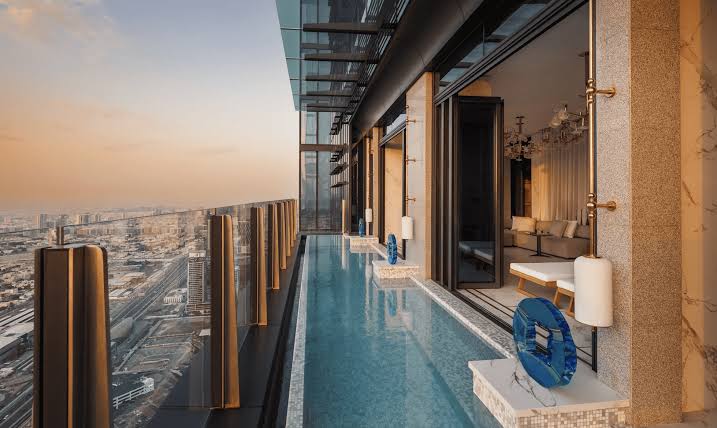
    Guests can enjoy Michelin-starred dining, a rooftop infinity pool with panoramic city views, and elegantly designed rooms that blend comfort with understated luxury.

    The Lana is perfect for travelers seeking refined experiences without the crowds found at older landmark hotels.


    Highlights

    • Rooftop infinity pool
    • Michelin-starred restaurants
    • Canal and skyline views
    • Luxury spa and wellness facilities

    2. One&Only One Za’abeel

    One&Only One Za'abeel

    One&Only One Za’abeel has transformed Dubai’s skyline with its striking architecture and “The Link”—the world’s longest occupied sky bridge.

    Inside, guests discover spacious suites, award-winning restaurants led by internationally acclaimed chefs, and personalized service that has become the brand’s signature.

    Its central location also makes exploring the city incredibly convenient.


    Perfect for: Luxury city breaks, business travelers, and gourmet enthusiasts.

    3. SIRO One Za’abeel

    Luxury travel is evolving, and SIRO represents that change perfectly. Instead of focusing solely on lavish décor, this hotel revolves around fitness, recovery, nutrition, and wellbeing.

    State-of-the-art training facilities, sleep-optimized rooms, recovery labs, and healthy dining options make SIRO one of Dubai’s most innovative hotel concepts.


    Why stay here?

    • High-performance wellness programs
    • Professional fitness facilities
    • Recovery treatments
    • Healthy culinary experiences

    4. Raffles The Palm Dubai

    Inspired by European palaces, Raffles The Palm offers an entirely different side of Dubai luxury. Crystal chandeliers, handcrafted furnishings, and elegant interiors create a royal atmosphere from the moment guests arrive.

    Its private beach, expansive spa, and exceptional dining make it ideal for travelers looking to relax away from the city’s fast pace.

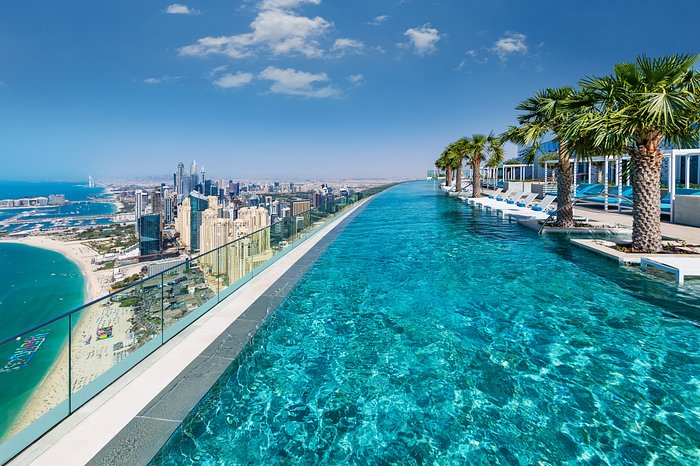
    5. Address Beach Resort

    Address Beach Resort

    Home to one of the world’s highest outdoor infinity pools, Address Beach Resort has become a favorite among travelers seeking spectacular views.

    Located between Dubai Marina and Bluewaters Island, the hotel offers direct beach access, spacious modern rooms, and convenient access to some of Dubai’s best shopping and entertainment destinations.

    Must experience

    • Infinity rooftop pool
    • Private beach
    • Marina skyline views
    • Family-friendly amenities

    6. Bab Al Shams Desert Resort

    Only a short drive from downtown Dubai, Bab Al Shams transports visitors into the heart of the Arabian Desert.

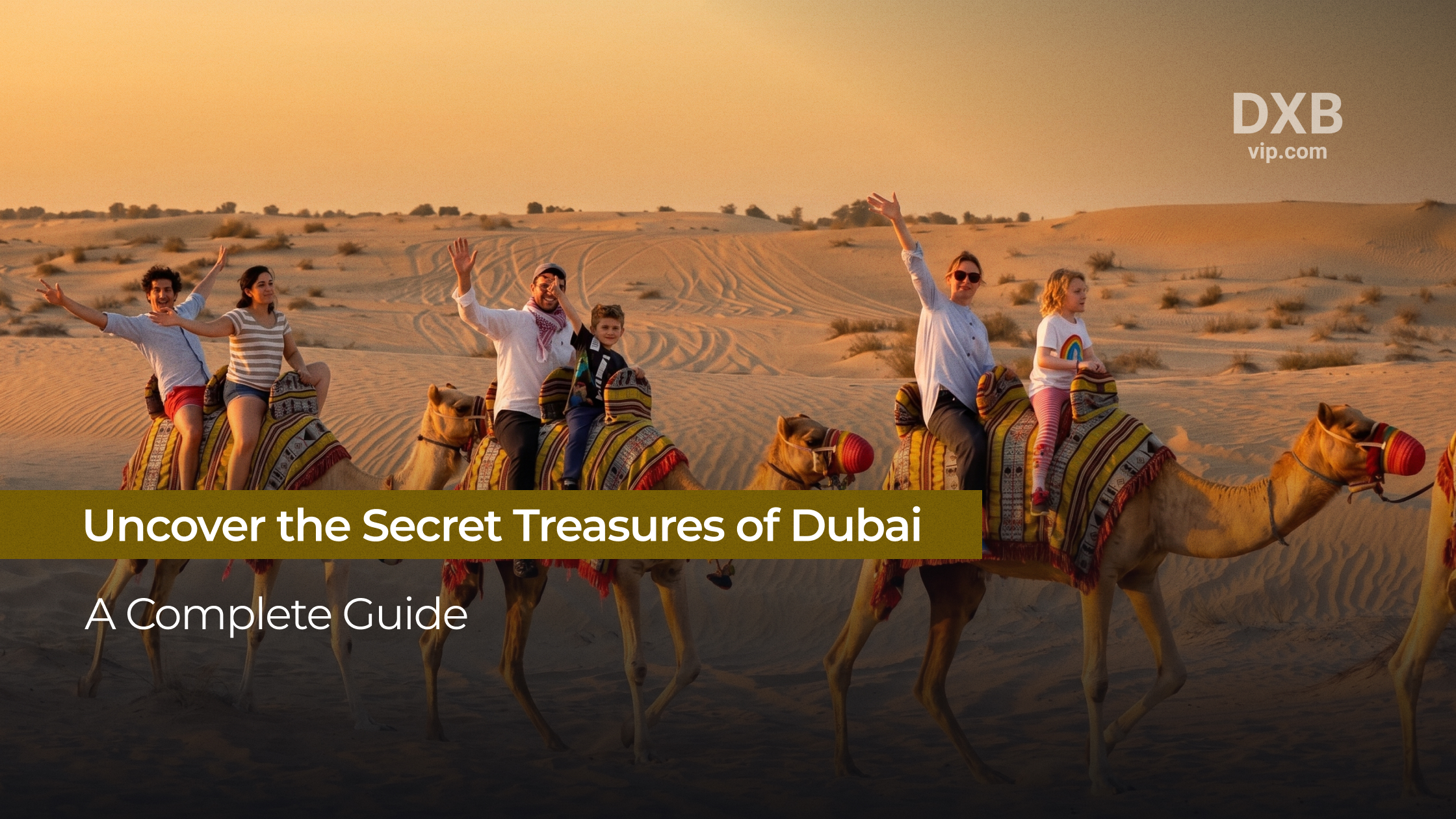
    Traditional architecture, lantern-lit courtyards, desert adventures, camel rides, falcon experiences, and unforgettable sunsets create an authentic Emirati escape unlike anywhere else in the city.

    It’s an ideal destination for travelers wanting to experience Dubai beyond its skyscrapers.

    7. Anantara World Islands Dubai Resort

    Imagine leaving the city’s skyline behind and arriving on a private island surrounded by turquoise waters. That’s exactly what Anantara World Islands delivers.

    Accessible only by boat, the resort combines tropical island vibes with five-star luxury, making it perfect for honeymooners and couples seeking privacy.

    Highlights

    • Private island setting
    • Beachfront villas
    • Water sports
    • Romantic dining experiences

    8. Hotel Indigo Dubai Downtown

    For travelers who appreciate creativity and local culture, Hotel Indigo offers a refreshing alternative to traditional luxury hotels.

    Inspired by Dubai’s art scene, every space showcases vibrant local artwork, stylish interiors, and a lively social atmosphere. Its location near Dubai Creek and Downtown also makes sightseeing effortless.

    9. Delano Dubai

    Bringing its signature Miami-inspired elegance to Dubai, Delano offers sophisticated beachfront luxury with a contemporary twist.

    Minimalist interiors, refined restaurants, exclusive beach experiences, and attentive service make it one of the city’s newest luxury destinations for discerning travelers.

    Whether you’re visiting for relaxation or nightlife, Delano effortlessly balances both.

    10. 25hours Hotel One Central

    Luxury doesn’t always have to be formal. 25hours Hotel One Central proves that premium hospitality can also be playful and creative.

    Featuring uniquely themed rooms, rooftop lounges, co-working spaces, podcasts studios, and eclectic dining venues, it’s become a favorite among entrepreneurs, digital nomads, and younger luxury travelers looking for something different.


    Final Thoughts

    Dubai’s hospitality scene continues to evolve, introducing fresh concepts that move beyond traditional luxury.

    While iconic hotels remain timeless, these newer and lesser-known properties offer distinctive experiences — from private island retreats and wellness-focused stays to artistic boutique escapes and serene desert hideaways.

    At DXB VIP, we believe true luxury is about discovering experiences that go beyond the expected.

    Dubai’s hospitality landscape is constantly evolving, with exceptional new hotels and hidden gems redefining what five-star travel looks like.

    From exclusive private island escapes and wellness-driven sanctuaries to design-led boutique stays and breathtaking desert retreats, these handpicked destinations offer far more than luxurious accommodation — they deliver unforgettable experiences.

    Whether you’re looking for an investment in Dubai real estate or to move to Dubai, connect with our team at DXB VIP.

    Our experienced team offers personalized guidance on property investments, company formation, business setup, and relocation services, helping you navigate every step with confidence.

    Whatever your goals in Dubai, we’re committed to providing the local expertise and support you need to make them a reality.

  • UAE Drivers Save Big as July 2026 Petrol Prices Drop

    UAE Drivers Save Big as July 2026 Petrol Prices Drop

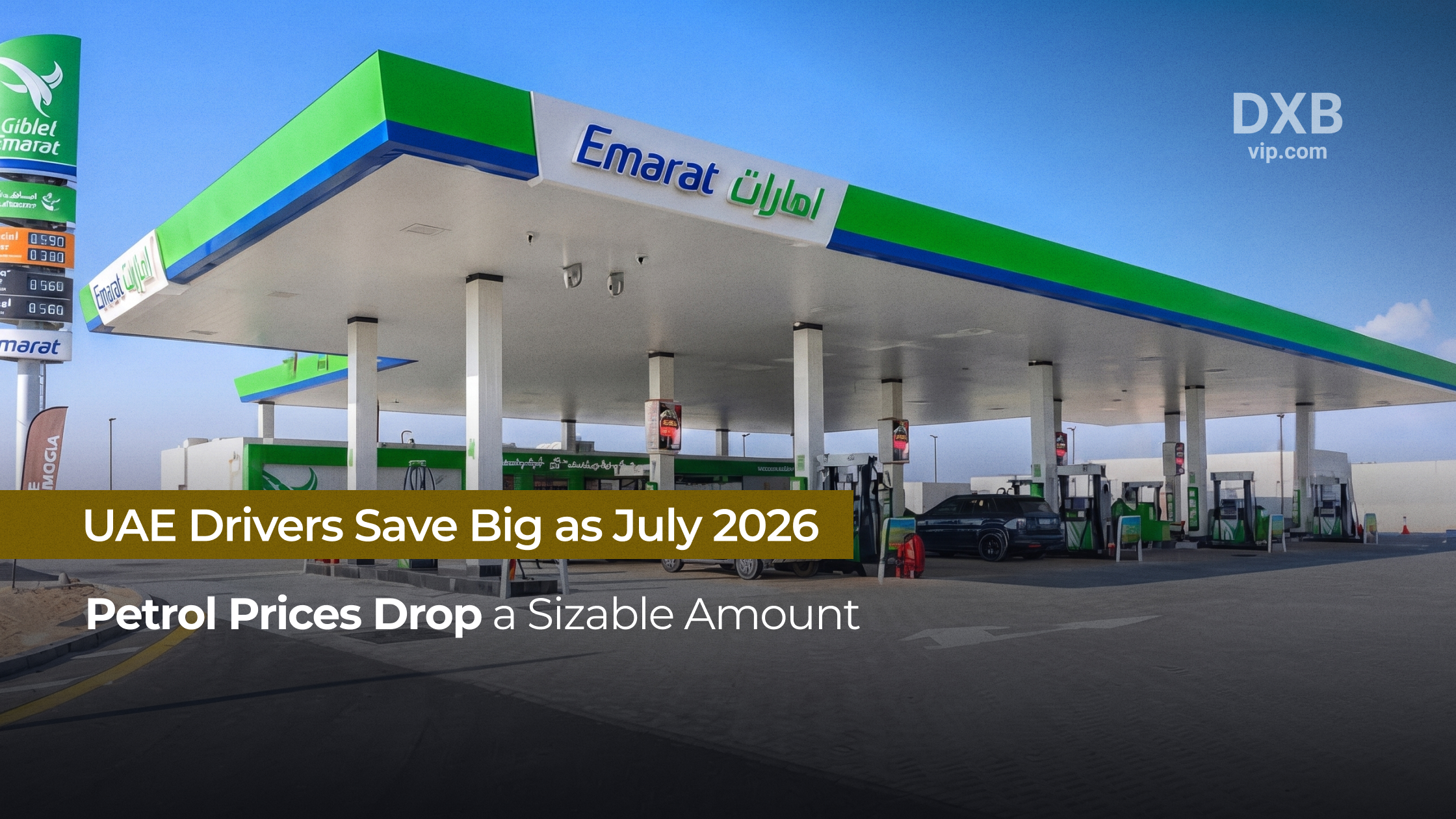
    Motorists across the UAE are set to enjoy substantial savings at the fuel pump this month after the UAE Fuel Price Committee announced a significant reduction in petrol and diesel prices for July 2026. The revised rates, which came into effect on 1 July, mark one of the largest month-on-month decreases in recent times, providing welcome financial relief for residents, businesses, and transport operators.

    The latest fuel price revision follows several months of increases and reflects a decline in global crude oil prices during June. Since the UAE adopted a deregulated fuel pricing system in 2015, retail fuel prices have been adjusted every month based on international oil market movements, refining costs, and distribution expenses.

    July 2026 UAE Fuel Prices

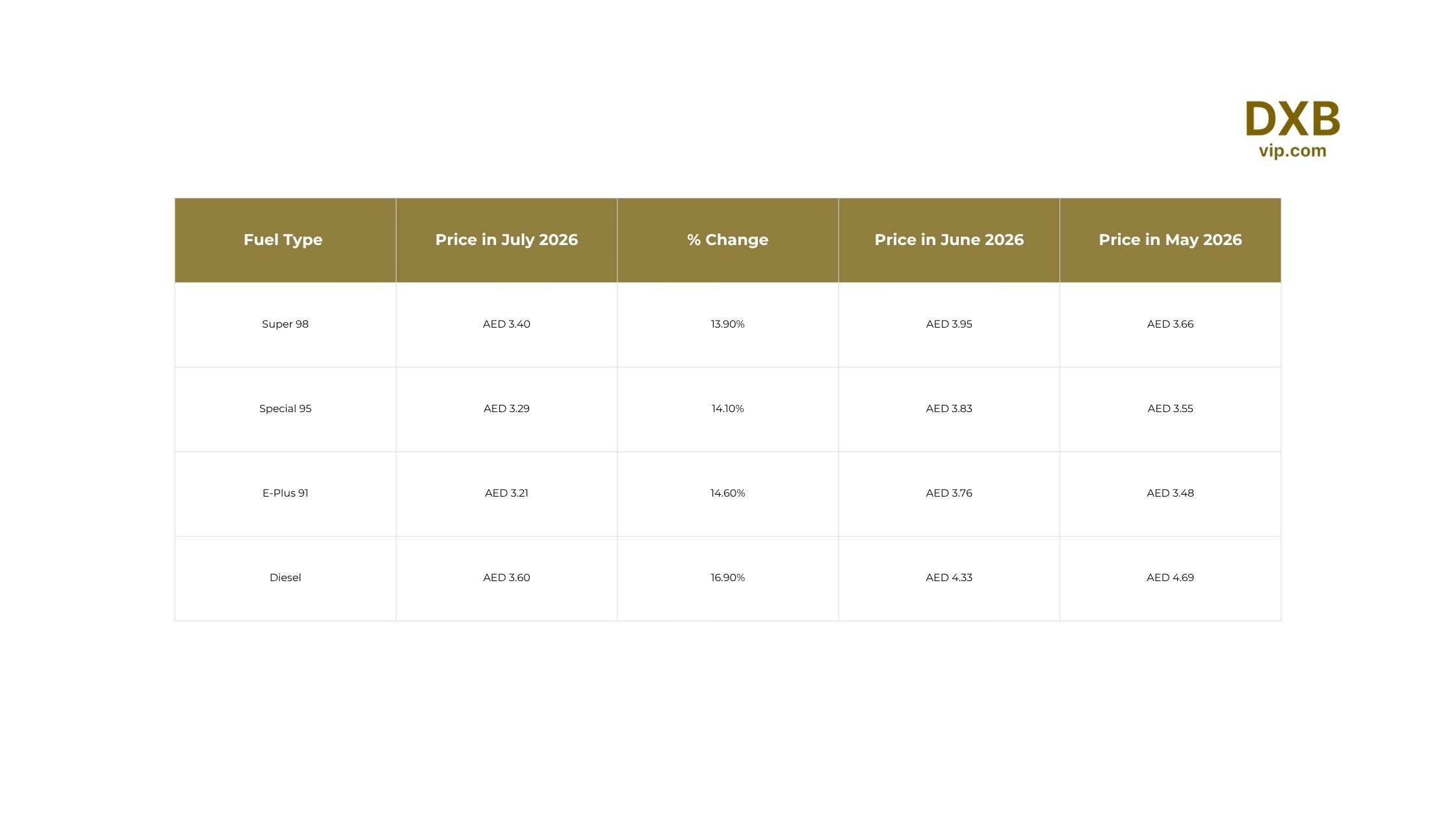
    The official fuel prices for July 2026 are:

    • Super 98: AED 3.40 per litre
    • Special 95: AED 3.29 per litre
    • E-Plus 91: AED 3.21 per litre
    • Diesel: AED 3.60 per litre

    Compared with the previous month, motorists will notice significant reductions across all fuel grades.

    • Super 98 has fallen from AED 3.95 to AED 3.40 per litre, a decrease of approximately 13.9%.
    • Special 95 has dropped from AED 3.83 to AED 3.29 per litre, down 14.1%.
    • E-Plus 91 has declined from AED 3.76 to AED 3.21 per litre, representing a 14.6% reduction.
    • Diesel has recorded the largest decrease, falling from AED 4.33 to AED 3.60 per litre, a drop of nearly 16.9%.

    The revised prices provide immediate savings for anyone filling up their vehicle, particularly those who drive long distances or rely on their vehicles for work.

    July 2026 Petrol Prices Drop

    Welcome Relief for Motorists

    The latest reduction comes as good news for UAE residents who have experienced higher fuel costs over recent months. Whether commuting to work, travelling between emirates, or using private vehicles for daily errands, drivers will now spend considerably less on fuel throughout July.

    For example, filling a standard 60-litre fuel tank with Special 95 now costs approximately AED 197, compared with nearly AED 230 in June. Depending on driving habits, many motorists could save AED 30 or more every time they refuel.

    Households with multiple vehicles and families who travel frequently are expected to benefit the most from the lower prices.


    Businesses Also Stand to Gain

    The impact extends well beyond private motorists. Businesses that depend on transportation are expected to see lower operating costs thanks to the decline in both petrol and diesel prices.

    Logistics companies, courier services, delivery platforms, taxi operators, ride-hailing drivers, construction firms, bus operators, and commercial fleet owners all rely heavily on fuel. Even a small reduction in fuel prices can result in meaningful savings over time, particularly for companies operating dozens or even hundreds of vehicles.

    Diesel users are likely to benefit the most this month. Since diesel powers many trucks, heavy machinery, and commercial vehicles, the 16.9% reduction could significantly reduce operating expenses across sectors such as logistics, construction, manufacturing, and freight transport.

    July 2026 Petrol Prices Drop

    Why Have Fuel Prices Fallen?

    The UAE’s monthly fuel prices are closely linked to international oil market trends. During June, global crude oil prices eased due to improved supply conditions and softer demand expectations in several markets.

    As international benchmark prices declined, the UAE Fuel Price Committee adjusted domestic fuel prices accordingly for July. The country’s fuel pricing mechanism ensures that local retail prices reflect international market conditions rather than remaining fixed throughout the year.

    This system provides greater transparency and allows consumers to benefit when global oil prices fall, while also reflecting increases when international markets move higher.

    Wider Economic Benefits

    Lower fuel prices can positively influence the broader economy. Reduced transportation costs often help businesses manage expenses more efficiently, particularly those involved in logistics and distribution.

    Although fuel is only one factor affecting the cost of goods and services, lower transportation expenses may ease pressure on delivery costs, supply chains, and commercial operations. Businesses that experience lower operating costs may also find greater flexibility in managing prices or improving profitability.

    Consumers may also benefit indirectly through reduced delivery charges and lower transportation-related expenses across various industries.

    Understanding the UAE Fuel Pricing System

    The UAE deregulated fuel prices in August 2015 to align domestic fuel rates with international market conditions. Since then, the Fuel Price Committee has reviewed global oil prices at the end of each month before announcing retail prices for the following month.

    This monthly pricing system allows fuel prices to move in line with global energy markets, ensuring greater transparency while helping consumers benefit when crude oil prices decline.

    Because prices are revised every month, future adjustments will continue to depend on developments in the international oil market.

    Looking Ahead

    While July’s announcement is encouraging, fuel prices for August 2026 will depend on several global factors, including crude oil demand, production levels, geopolitical developments, refinery output, and seasonal consumption trends.

    As international energy markets remain dynamic, motorists can expect monthly price revisions to continue in line with global conditions.

    For now, however, the July 2026 fuel price update delivers welcome savings for millions of drivers across the UAE. With petrol prices falling by around 14% and diesel dropping by nearly 17%, residents and businesses alike can look forward to reduced transportation costs throughout the month, providing a timely boost to household budgets and business operations.

  • Uncover the Secret Treasures of Dubai

    Uncover the Secret Treasures of Dubai

    Dubai is often celebrated for its iconic skyline, world-class shopping malls, luxury hotels, and record-breaking attractions. Visitors from around the world flock to landmarks like the Burj Khalifa and Palm Jumeirah, but beyond the glamorous façade lies another side of the city—one filled with hidden neighborhoods, peaceful nature reserves, cultural treasures, and local experiences waiting to be discovered.

    Whether you’re a first-time visitor looking to explore beyond the tourist hotspots or a resident searching for something new, these secret treasures reveal a more authentic and fascinating side of Dubai.


    1. Al Fahidi Historical Neighborhood

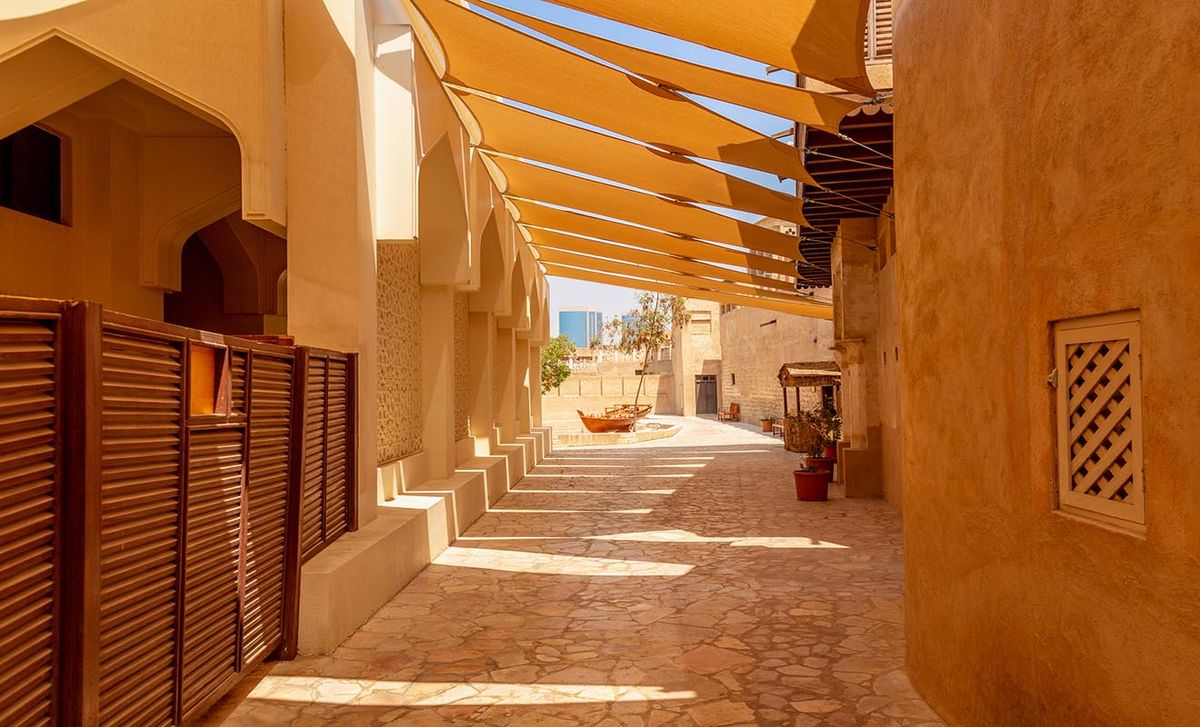
    Al Fahidi


    Location: Al Fahidi, Bur Dubai, near Al Fahidi Metro Station

    Step back in time by wandering through the narrow alleyways of Al Fahidi Historical Neighborhood. Dating back to the late 19th century, this beautifully preserved district showcases traditional Emirati architecture with wind towers, coral stone buildings, shaded courtyards, and art galleries.

    Unlike the modern skyscrapers that define Dubai today, Al Fahidi offers a glimpse into the city’s humble beginnings. Visitors can enjoy local museums, artisan boutiques, charming cafés, and cultural exhibitions while learning about the UAE’s heritage.

    Don’t miss the Coffee Museum, the Coin Museum, and the Sheikh Mohammed Centre for Cultural Understanding, where visitors can participate in traditional Emirati meals and ask questions about local culture.


    2. Al Seef Waterfront

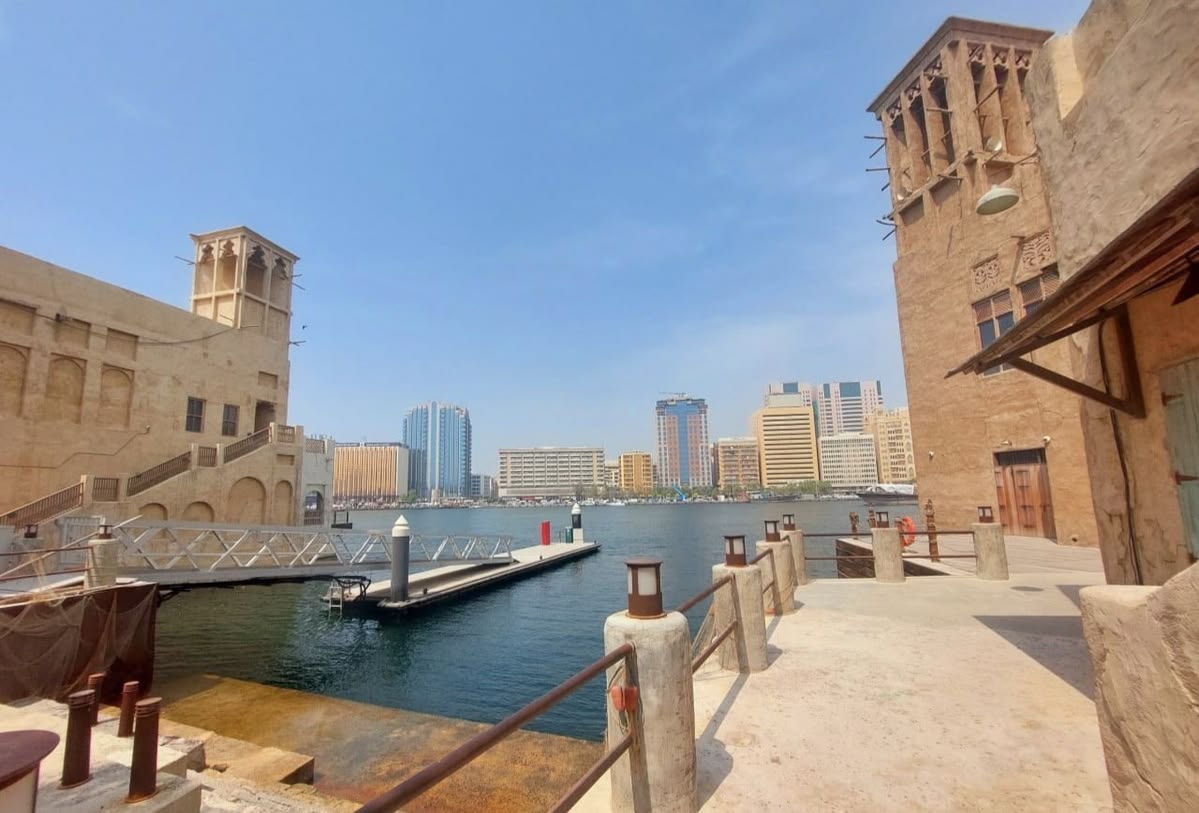
    Al Seef Waterfront


    Location: Dubai Creek, Bur Dubai

    Stretching along the historic Dubai Creek, Al Seef perfectly blends old and new Dubai. The waterfront features traditional-style architecture alongside contemporary restaurants, boutique hotels, and waterfront cafés.

    Take a leisurely evening stroll while enjoying views of wooden abras crossing the creek. Browse artisan shops selling handmade souvenirs, spices, perfumes, and local crafts before dining beside the water.

    As the sun sets, the atmosphere becomes even more magical with illuminated pathways and live entertainment.


    3. Ras Al Khor Wildlife Sanctuary

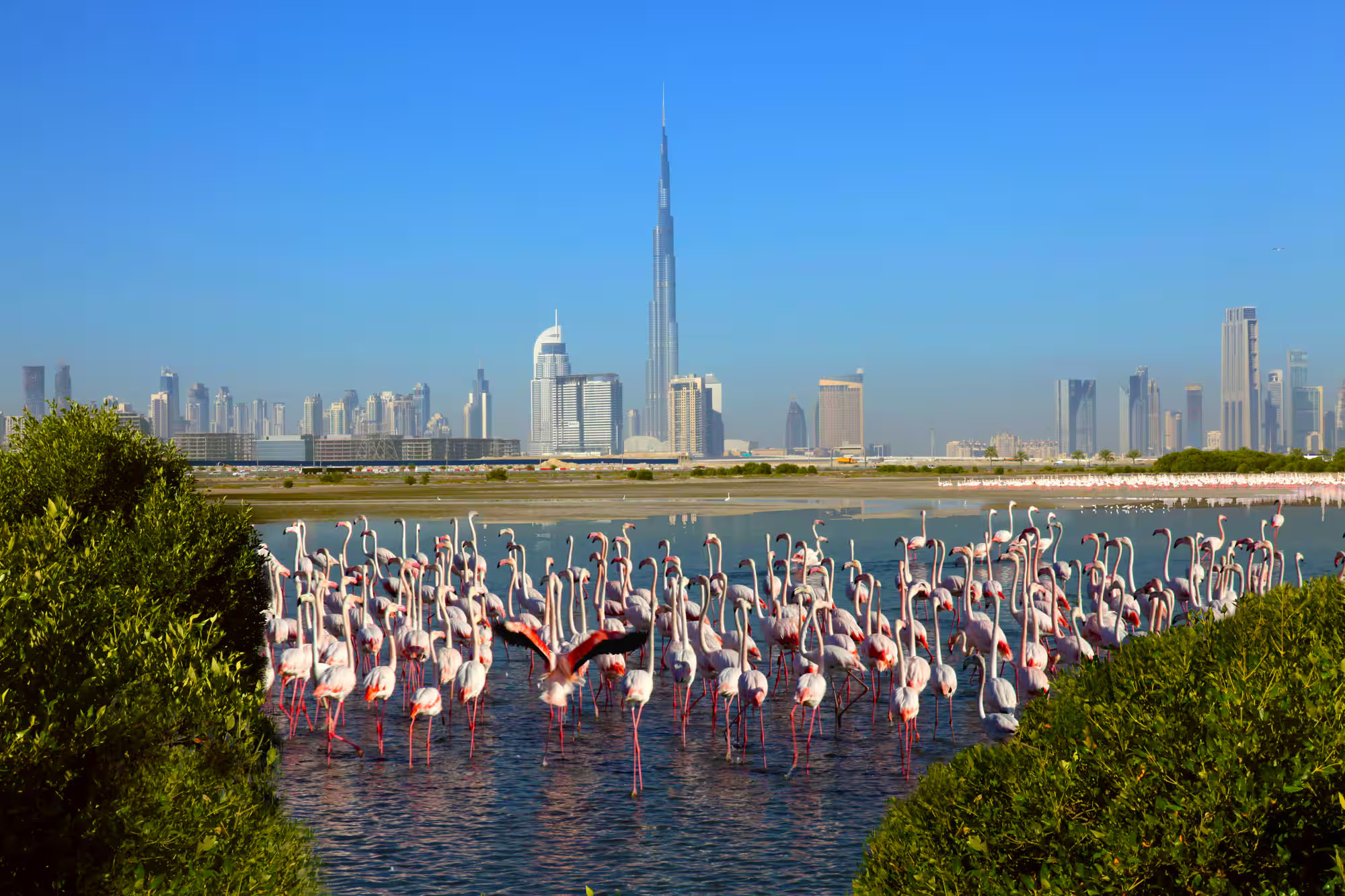
    Ras AL khor

    Location: Ras Al Khor Road, near Dubai Creek

    Many people are surprised to discover that Dubai is home to thousands of flamingos.

    The Ras Al Khor Wildlife Sanctuary protects more than 6 square kilometers of wetlands and attracts over 450 species of wildlife throughout the year. During the winter months, hundreds of bright pink greater flamingos gather in the lagoons, creating one of the city’s most spectacular natural sights.

    Free bird hides allow visitors to observe flamingos, herons, egrets, ospreys, and numerous migratory birds without disturbing the ecosystem.

    It’s one of Dubai’s best-kept secrets for photographers and nature lovers.


    4. Al Qudra Lake

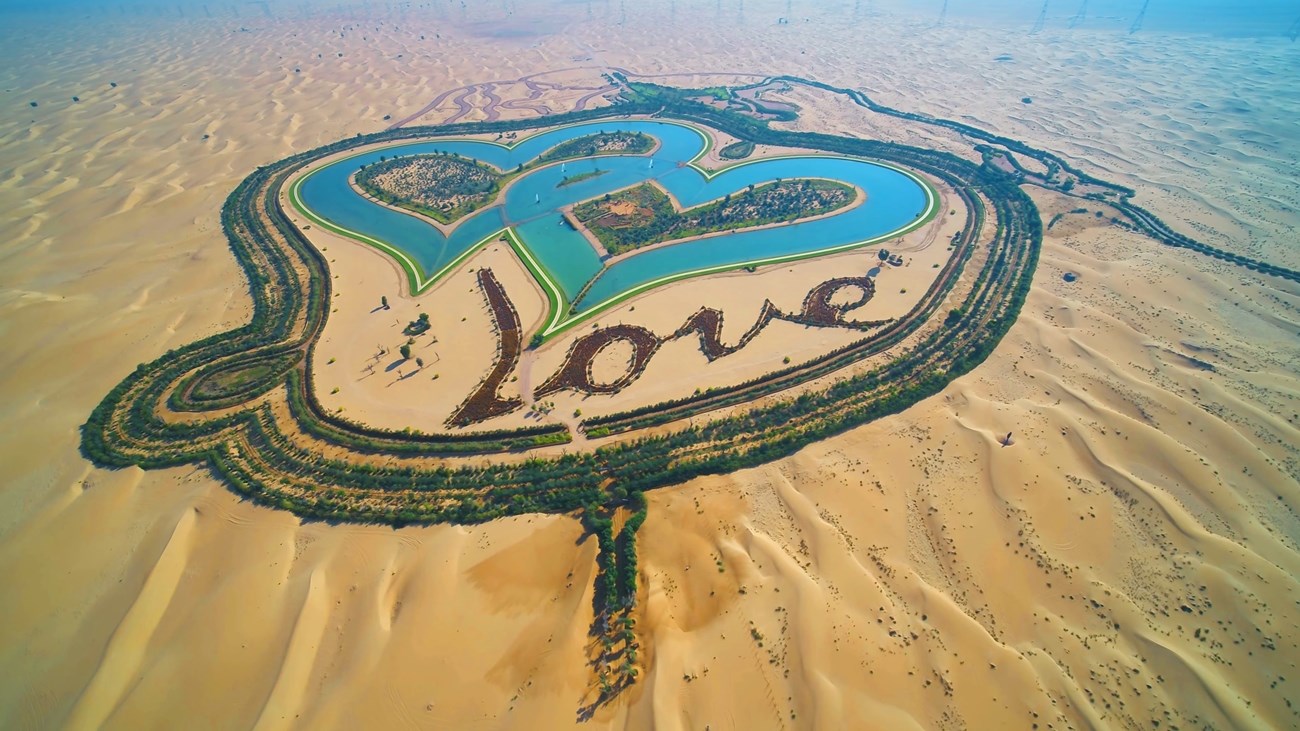
    Al-Qudra Lake

    Location: Al Qudra Desert, approximately 45 minutes from Downtown Dubai

    Hidden within the Al Qudra desert lies one of Dubai’s most romantic destinations.

    Love Lake consists of two interconnected heart-shaped lakes surrounded by thousands of trees spelling out the word “Love.” The peaceful environment offers walking trails, picnic areas, cycling routes, and opportunities to observe native birds and desert wildlife.

    Unlike Dubai’s busy urban attractions, Love Lake provides tranquility and breathtaking sunset views over the desert landscape.

    Bring a picnic, camera, and plenty of water for a relaxing afternoon escape.


    5. Hatta

    hatta

    Location: Hatta, Dubai Emirate, approximately 130 km from Downtown Dubai

    Nestled within the Hajar Mountains, Hatta offers a refreshing contrast to Dubai’s cityscape.

    Known for its turquoise dam, rugged mountain scenery, hiking trails, and adventure activities, Hatta has become one of the UAE’s premier eco-tourism destinations.

    Visitors can kayak across the peaceful Hatta Dam, hike scenic mountain trails, explore Hatta Heritage Village, or experience mountain biking through specially designed tracks.

    The cooler temperatures during winter make it an ideal weekend getaway.


    6. Jameel Arts Centre

    Location: Jaddaf Waterfront, Dubai Creek

    Art enthusiasts should not miss the Jameel Arts Centre, one of Dubai’s leading contemporary art institutions.

    The museum showcases rotating exhibitions featuring regional and international artists, with a focus on Middle Eastern contemporary art.

    Outside, beautifully designed sculpture gardens overlook Dubai Creek, providing peaceful spaces for reflection and photography.

    Admission is free, making it one of Dubai’s best cultural experiences.


    7. The Viewing Point at Dubai Creek Harbour

    Location: Dubai Creek Harbour

    While many visitors head to observation decks in Downtown Dubai, few discover The Viewing Point at Dubai Creek Harbour.

    This impressive 70-meter pedestrian bridge extends over Dubai Creek, offering panoramic views of Downtown Dubai, Burj Khalifa, Dubai Creek, and the city’s evolving skyline.

    Sunset is the perfect time to visit, when the skyline glows with golden light and reflects beautifully across the water.

    It’s an ideal location for photographers seeking a unique perspective of Dubai.


    8. The Camel Farm

    Location: Al Ain Road (Dubai–Al Ain Highway)

    A short drive from central Dubai, The Camel Farm offers a family-friendly countryside experience rarely associated with the city.

    Visitors can feed camels, interact with farm animals, ride ponies, enjoy outdoor playgrounds, and relax in shaded picnic areas.

    It’s a wonderful destination for families with children looking to experience rural Emirati life beyond the urban landscape.


    9. Mushrif National Park

    Location: Al Khawaneej Road, Mirdif

    One of Dubai’s oldest parks, Mushrif National Park spans over 5 square kilometers of native ghaf forest.

    The park features cycling paths, walking trails, swimming pools, barbecue facilities, children’s play areas, and an international village displaying miniature traditional houses from around the world.

    Nature lovers appreciate its peaceful atmosphere, particularly during the cooler months from October through April.

    It’s also a popular destination for birdwatching and family gatherings.

    10. The Farm Restaurant

    The Farm Restaurant


    Location: Al Barari, Dubai

    Hidden within the lush Al Barari community, The Farm is surrounded by botanical gardens, streams, and tranquil lakes.

    The restaurant offers a refreshing escape from the city’s busy pace, serving healthy international cuisine in a beautifully landscaped setting.

    Guests often visit not only for the food but also for the peaceful environment that feels worlds away from downtown Dubai.

    Morning breakfasts and evening dinners are especially popular.


    11. Secret Beach (Al Sufouh Beach)

    Location: Al Sufouh Road, between Burj Al Arab and Palm Jumeirah

    Known locally as Secret Beach, Al Sufouh Beach remains one of Dubai’s quietest coastal escapes.

    Unlike many commercial beaches, this peaceful stretch of sand has minimal development, allowing visitors to enjoy uninterrupted views of the Burj Al Arab, Palm Jumeirah, and the Arabian Gulf.

    It’s particularly popular for sunrise walks, swimming, paddleboarding, and peaceful picnics.

    The calm atmosphere makes it feel like a hidden paradise despite being only minutes from the city’s busiest districts.


    Discover a Different Side of Dubai

    Dubai’s greatest treasures aren’t always found inside towering skyscrapers or luxury shopping malls.

    Hidden among historic neighborhoods, desert lakes, mountain villages, wildlife sanctuaries, and peaceful beaches are experiences that reveal the city’s remarkable diversity.

    Exploring these lesser-known destinations allows travelers to connect with Dubai’s culture, natural beauty, and heritage while escaping the crowds.

    Whether you’re watching flamingos at Ras Al Khor, kayaking through Hatta Dam, strolling along the charming streets of Al Fahidi, or enjoying a quiet sunset at Secret Beach, each hidden gem tells a unique story about this extraordinary city.

    The next time you visit Dubai, venture beyond the famous landmarks. You may discover that the city’s most unforgettable memories are found in the places that many travelers overlook.

    Connect with us to know more about the lifestyle in Dubai. We offer free zone and mainland company formation services in Dubai and across the UAE. Move to Dubai with straightforward process!


  • Best Residential Areas to Live in Dubai

    Best Residential Areas to Live in Dubai

    Dubai’s real estate market in 2026 has entered a new phase— one defined not by widespread momentum, but by selective, high-conviction opportunities.

    Not every property in Dubai is performing the same way anymore. The strongest returns are coming from the right communities, not simply the most talked-about ones.

    Whether your goal is long-term wealth, reliable rental income, or future capital growth, there are some of the areas investors are watching most closely.

    With a balance of fundamentals, demand, and future upside, let’s discuss the best residential to live in Dubai in 2026.

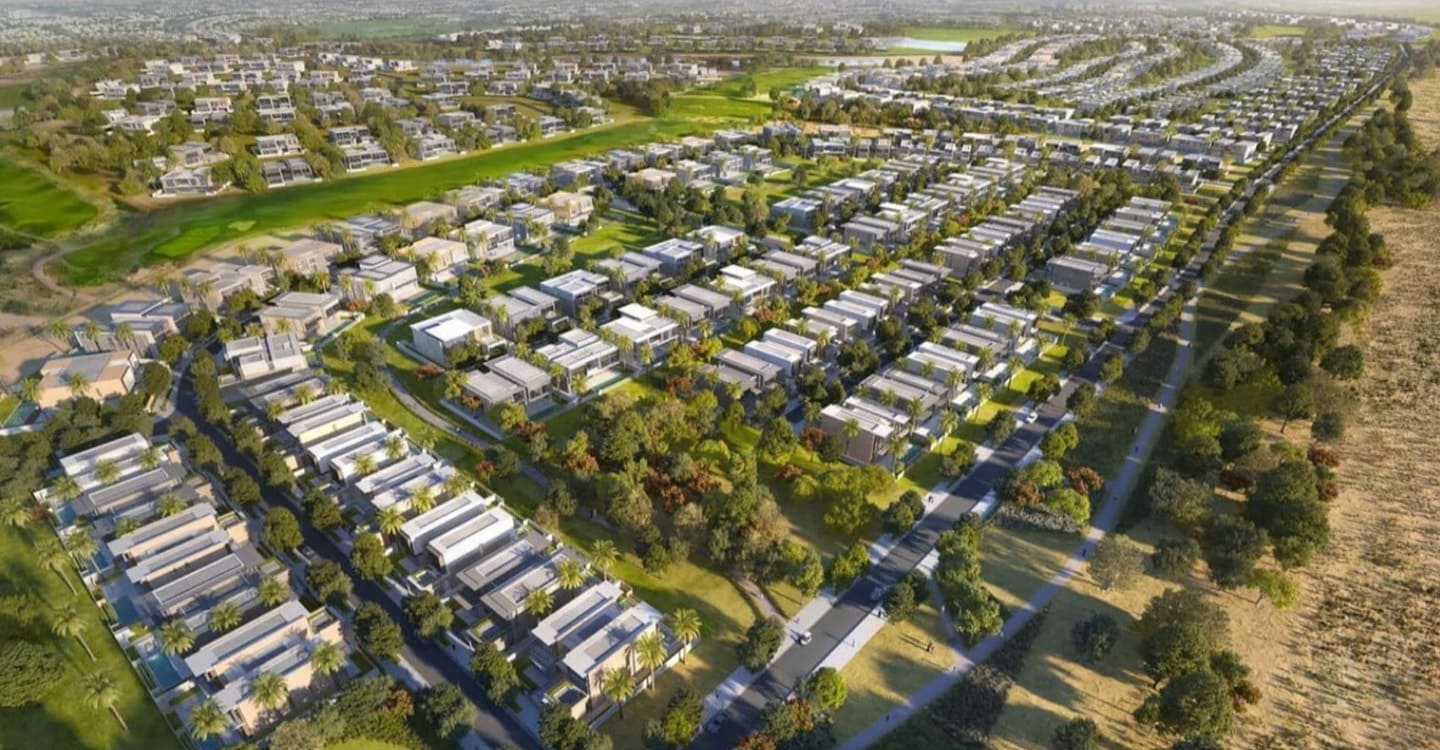
    Dubai Hills Estate (Estimated Rental Yield: 5.5%–7.0%)

    Dubai Hills Estate


    If you’re looking for a reliable, long-term investment, Dubai Hills Estate continues to stand out.

    With its parks, schools, retail, and central location, it has become one of Dubai’s most desirable family communities.

    Demand remains consistently strong, helping owners benefit from stable rental income and long-term value appreciation.


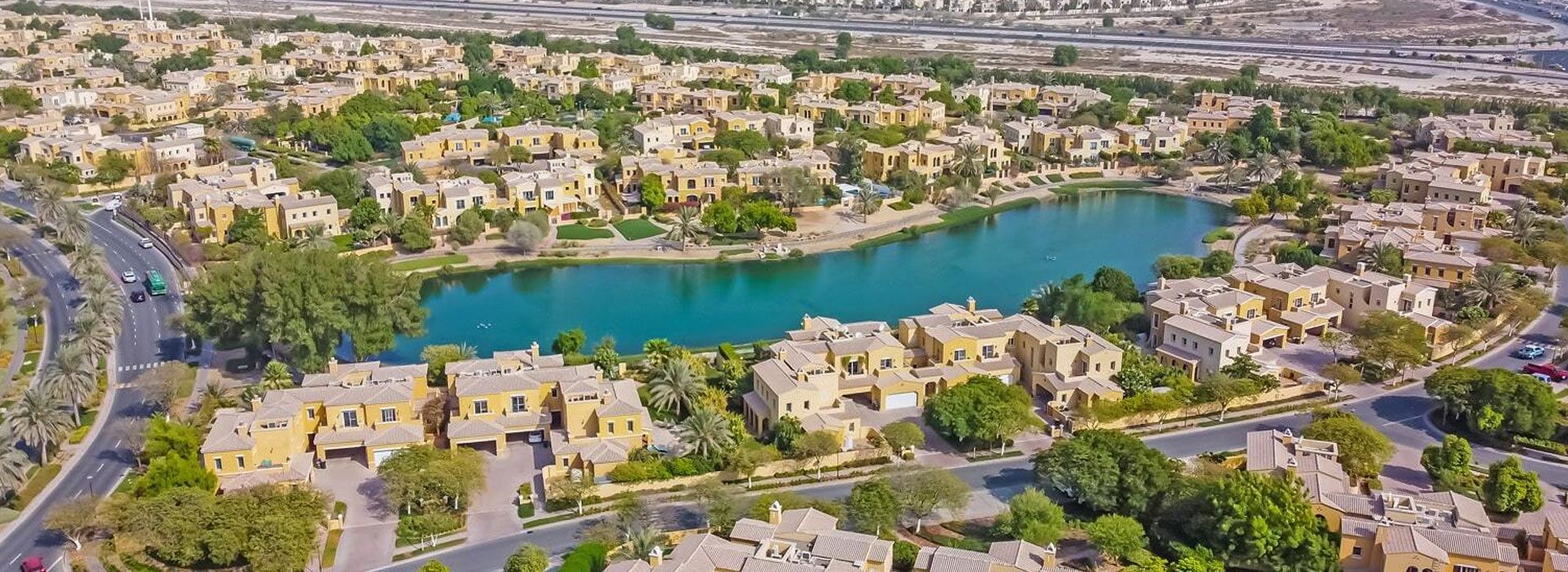
    Arabian Ranches (Estimated Rental Yield: 5.0%–6.5%)

    Arabian Ranches


    Arabian Ranches has earned its reputation as one of Dubai’s most established villa communities.

    Buyers are drawn to its privacy, mature landscaping, and peaceful lifestyle.

    While it isn’t the highest-yielding market, it offers something many investors value just as much — stability and lasting demand.


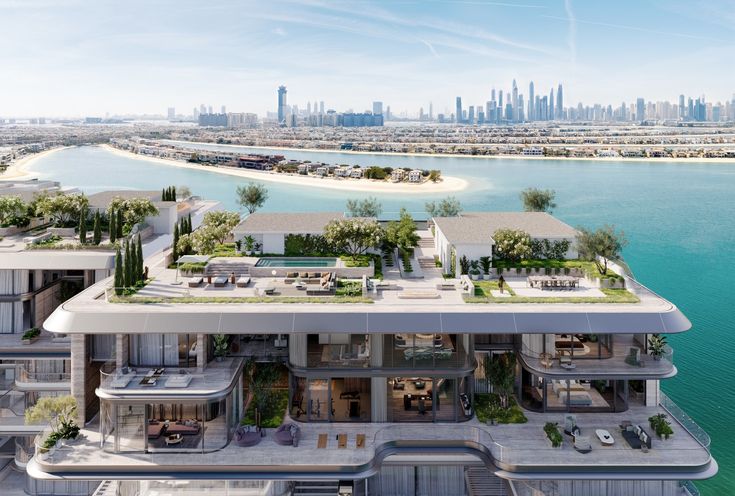
    Palm Jumeirah (Estimated Rental Yield: 3.5%–5.0%)

    Palm Jumeirah


    Palm Jumeirah remains one of the world’s most recognizable waterfront addresses.

    Investors don’t choose it purely for rental yield — they choose it because prime beachfront property is limited, highly sought after, and has historically held its value exceptionally well.

    For many, it’s a long-term wealth preservation asset.


    High-Performance Communities: Strong Income & Growth Potential

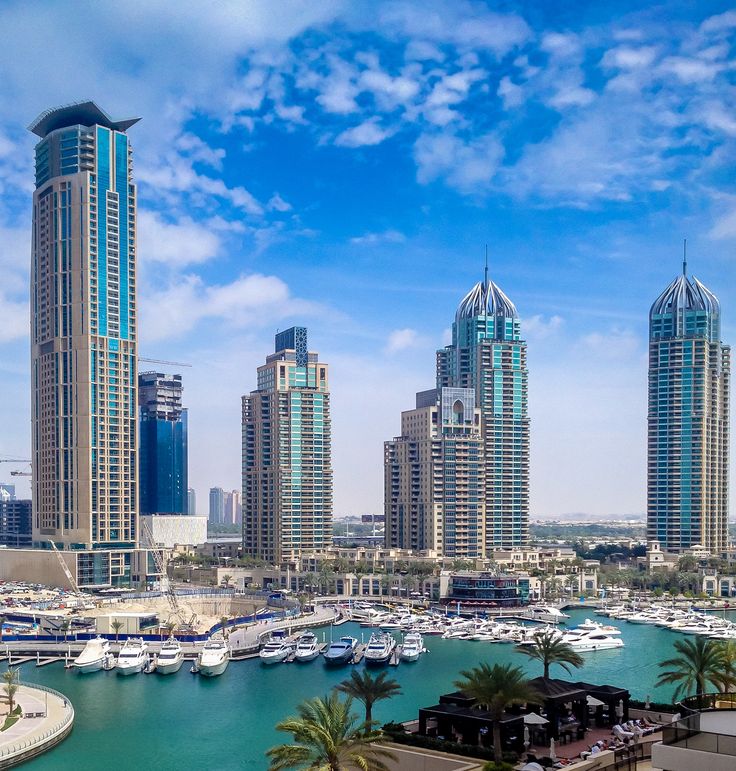
    Dubai Marina (Estimated Rental Yield: 5.5%–6.5%)

    Dubai Marina


    Dubai Marina continues to be one of the city’s busiest rental markets.

    Its waterfront lifestyle, restaurants, offices, and excellent connectivity make it a favourite among professionals and expats, resulting in consistently high occupancy and dependable rental demand.


    Jumeirah Village Circle (JVC) (Estimated Rental Yield: 7.0%–8.8%)

    JVC


    For investors focused on rental returns, JVC remains one of Dubai’s strongest performers.

    Competitive property prices, growing infrastructure, and strong tenant demand have made it one of the city’s most attractive locations for generating steady cash flow.


    Dubai South (Estimated Rental Yield: 7.5%–9.3%)

    Dubai South


    Dubai South is becoming one of the city’s most exciting long-term investment opportunities.

    With the expansion of Al Maktoum International Airport and major infrastructure projects underway, the area is attracting increasing attention from investors looking to benefit from future growth while prices are still relatively accessible.


    Choose DXB VIP. Invest with Confidence.

    The Dubai market is becoming more selective. Today’s successful investors aren’t chasing every new launch —they’re choosing locations with strong fundamentals, long-term demand, and clear growth potential.

    Communities with quality infrastructure, excellent connectivity, established amenities, and limited supply are likely to remain the strongest performers over time.

    The best investment isn’t always the one generating the biggest buzz — it’s the one that continues delivering value year after year.

    At DXB VIP, we believe every investment should be backed by insight, not guesswork.

    Whether you’re exploring Dubai’s top-performing communities, comparing off-plan and ready properties, understanding current market trends, or looking for tailored investment advice, our team provides the expertise and resources to help you make informed decisions.

    Investing in qualifying real estate may make you eligible for the UAE Golden Visa.

    Connect with us to know more about the ongoing investment opportunities and lifestyle in Dubai! 

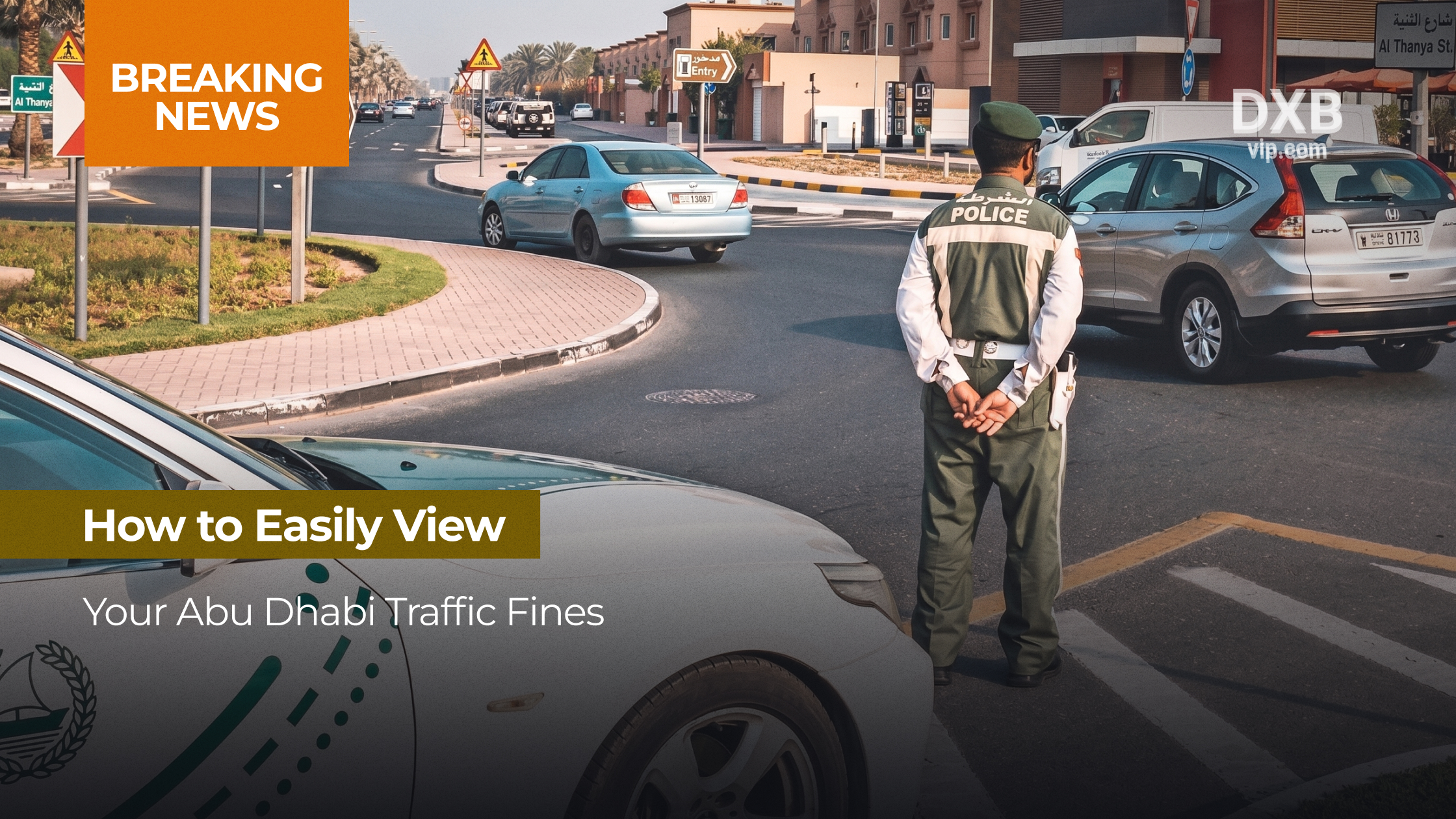
  • How to Easily View Your Abu Dhabi Traffic Fines

    How to Easily View Your Abu Dhabi Traffic Fines

    For business owners, real estate professionals, and residents across the UAE, maintaining administrative efficiency is a cornerstone of a seamless lifestyle. Whether you are navigating the busy corridors of Dubai or commuting to the capital, staying on top of your vehicle’s traffic record is essential.

    Abu Dhabi’s commitment to digital excellence has made the process of checking and paying traffic fines remarkably simple and transparent.

    In this guide, we’ll walk you through how to effortlessly view your traffic fines in Abu Dhabi using the most reliable official channels.

    Why Proactive Fine Management Matters

    In the UAE, the digital transformation of government services has done more than just save time — it has introduced a system where compliance is rewarded.

    • Early Payment Incentives: Abu Dhabi often offers significant discounts for settling fines within 60 days. Regular checks ensure you never miss these windows of opportunity.

    • Operational Readiness: For business owners, ensuring your corporate vehicle fleet is clear of violations is vital for smooth license renewals and avoiding unexpected administrative hurdles.

    • Peace of Mind: With real-time access to radar data and violation details, you gain full transparency into your driving record, allowing you to address any issues or disputes promptly.


    The Top 4 Digital Channels for Traffic Fine Inquiries


    Abu Dhabi Traffic Fines

    1. The TAMM Portal

    TAMM is the central hub for all Abu Dhabi government services. It is the most comprehensive tool for residents and businesses because it integrates seamlessly with your UAE PASS.

    • Step 1: Visit the TAMM website or download the TAMM app.

    • Step 2: Log in securely using your UAE PASS.

    • Step 3: Navigate to the “Drive and Transport” section.

    • Step 4: Select “Traffic Fine Payment” under the “Fines & Violations” category.

    • Step 5: The system will automatically display any fines linked to your Emirates ID and registered vehicles. From here, you can review, select, and pay instantly.


    2. Abu Dhabi Police E-Services

    For direct access to traffic enforcement data, the official Abu Dhabi Police portal is your primary destination.

    • Step 1: Head to the Abu Dhabi Police E-Services page.

    • Step 2: Go to “Traffic Services” and select “Traffic Fines Inquiry and Payment.”

    • Step 3: You can search by entering your Traffic Code Number (TCN), Vehicle Plate Number, or Driving License Number.

    • Step 4: Click “Search.” The portal will provide a detailed breakdown of the violation, including the date, amount, and even radar-captured evidence images.


    3. Emirates Vehicle Gate

    If you need a lightning-fast status update without going through a full login process, EVG is the go-to solution.

    • Step 1: Visit evg.ae.

    • Step 2: Select “Abu Dhabi” as the plate source.

    • Step 3: Enter your plate details or traffic code.

    • Step 4: Complete the captcha and view your pending fines instantly.

    4. Ministry of Interior (MOI) UAE App

    If you frequently travel between Dubai, Abu Dhabi, and other emirates, the MOI app offers a unified view of your traffic status across the entire country.

    • Step 1: Open the MOI UAE app (available on iOS and Android).

    • Step 2: Log in with your UAE PASS.

    • Step 3: Access “Traffic Services” and select “Traffic Fines Inquiry.” This provides a consolidated view, making it the most efficient option for those managing inter-emirate travel.


    Pro-Tips for Efficient Management

    • Use the SMS Service: If you are on the move and just want a quick status check (no payment), you can send an SMS to 3070 using the format: [Plate Number] [Space] [Plate Category] [Space] [Plate Code].

    • Disputing a Fine: If you believe a fine was issued in error, you can submit a “Violation Review” request directly through the Abu Dhabi Police app or website, where you can upload supporting evidence like dashcam footage.

    • Keep Your Data Current: Always ensure your contact details are updated in your traffic file. This ensures you receive timely notifications about new violations and potential discount eligibility.


    Final Thoughts

    In the modern UAE, government services are designed to be “invisible” — working in the background to simplify your life.

    By leveraging these official portals, you ensure that your personal and professional mobility remains unhindered.

    We recommend setting a recurring reminder to check these platforms once a month. It’s a small, proactive habit that saves time, prevents penalties, and keeps your records in perfect standing.

    Stay compliant, stay informed, and enjoy the seamless efficiency of the UAE’s digital future.

    In addition, explore our business setup services in Dubai mainland and UAE free zones.