Category: Legal News

  • UAE Small Businesses Must File Corporate Tax Returns Even If No Tax Is Due

    UAE Small Businesses Must File Corporate Tax Returns Even If No Tax Is Due

    Small businesses across the UAE are being reminded that having no Corporate Tax to pay does not mean they can skip their tax return.

    The Federal Tax Authority (FTA) has reiterated that businesses eligible for Small Business Relief must still submit their Corporate Tax returns within the required deadline, even when the relief means they are treated as having no taxable income.

    The clarification is particularly important for small companies and entrepreneurs who may assume that staying below the UAE’s AED 3 million revenue threshold automatically removes their tax obligations.

    It does not.

    Businesses that qualify for Small Business Relief can benefit from a simplified Corporate Tax filing process, but they must still meet the applicable registration, filing and record-keeping requirements.


    No Tax due does not mean no filing

    One of the biggest misunderstandings surrounding UAE Corporate Tax is the difference between tax liability and tax compliance.

    A business may have no Corporate Tax payable for a particular Tax Period, but it can still have an obligation to file a Corporate Tax return.

    The FTA has specifically confirmed that eligibility for Small Business Relief does not remove the requirement to submit a return. Businesses that elect for the relief benefit from a simplified return, meaning less information may need to be provided, but the filing requirement remains.

    This distinction is important for owners of small companies, startups, professional services firms and other businesses operating in Dubai and across the UAE.

    Simply assuming that “no tax is due” means “nothing needs to be filed” could result in unnecessary compliance issues.


    What Is Small Business Relief?

    Small Business Relief is designed to reduce the Corporate Tax burden and compliance costs for eligible smaller businesses in the UAE.

    Under the current rules, an eligible Resident Person can elect for the relief where its revenue does not exceed AED 3 million during the relevant Tax Period and all previous Tax Periods covered by the rules.

    When the conditions are satisfied and the relief is properly elected, the business is treated as having no taxable income for Corporate Tax purposes for that Tax Period.

    This can significantly simplify the tax position of a qualifying small business.

    However, the relief is not an automatic exemption from the UAE Corporate Tax system.

    The business still needs to follow the applicable procedures, including making the election through its Corporate Tax return.

    Who can benefit from the relief?

    Small Business Relief is available to qualifying UAE Resident Persons, which can include both natural persons and juridical persons, subject to the applicable conditions.

    The most important condition is the revenue threshold.

    A business must have revenue of AED 3 million or less for the relevant Tax Period and all previous Tax Periods to which the rule applies.

    This means business owners should not look only at their current year’s revenue.

    For example, a company generating AED 2.5 million in the current Tax Period may appear to qualify. However, its previous Tax Periods must also be considered when determining eligibility.

    Businesses should therefore maintain accurate historical financial records and check their position before electing for the relief.

    The AED 3 Million Threshold

    The AED 3 million threshold is one of the most important figures for UAE small businesses to understand.

    It is not simply a general exemption threshold that businesses can rely on without further checks.

    The FTA states that revenue must be equal to or below AED 3 million in both the current and relevant previous Tax Periods.

    Businesses should therefore review:

    • Current Tax Period revenue
    • Revenue from previous relevant Tax Periods
    • Their legal and tax status
    • Whether any exclusion applies
    • Whether they have correctly registered for Corporate Tax
    • Whether they have properly elected for Small Business Relief

    This is particularly important for businesses that are growing quickly and may move above the threshold from one year to the next.

    Which Businesses May Not Qualify?

    Not every business generating less than AED 3 million automatically qualifies.

    The FTA identifies certain exclusions from Small Business Relief. For example, Qualifying Free Zone Persons and members of multinational enterprise groups that meet the relevant consolidated revenue threshold are among those excluded from the relief.

    This means business owners should assess their complete tax position rather than relying solely on turnover.

    The structure of the company and its relationship with other businesses can also be relevant.

    For businesses operating in free zones, in particular, it is important to distinguish between Small Business Relief and the separate Corporate Tax rules that can apply to Qualifying Free Zone Persons.


    Why Filing Still Matters

    For a qualifying business, Small Business Relief can result in no taxable income for Corporate Tax purposes.

    But the business must still demonstrate that it meets the conditions.

    The FTA has stated that businesses should be able to provide evidence, if requested, showing that their revenue remained within the AED 3 million threshold throughout the relevant Tax Periods.

    This makes proper bookkeeping especially important.

    Small businesses should keep records that clearly support their revenue figures and the information included in their Corporate Tax return.

    Good records can include:

    • Sales invoices
    • Business income records
    • Financial statements
    • Bank records
    • Accounting records
    • Supporting transaction documents
    • Information relating to the company’s ownership and structure

    Keeping these documents organized throughout the year can make the Corporate Tax filing process significantly easier.


    What Is the Corporate Tax Filing Deadline?

    The UAE Corporate Tax framework generally requires taxpayers to submit their Corporate Tax return and settle any Corporate Tax due within nine months from the end of the relevant Tax Period.

    The FTA has specifically reminded companies whose financial year ended on 31 December 2025 that their Corporate Tax return and any tax due must be submitted and paid by 30 September 2026.

    This deadline is particularly relevant for businesses preparing their first Corporate Tax filings.

    Even if a company expects to have no tax payable because it qualifies for Small Business Relief, the filing obligation should not be overlooked.

    What Happens If a Business Misses the Deadline?

    Late filing can create unnecessary compliance problems.

    The FTA has warned that failure to submit Corporate Tax returns on time can lead to late-submission penalties and other compliance measures.

    For a small business that expects to owe no Corporate Tax, receiving a penalty because a return was not submitted would be particularly frustrating and avoidable.

    The safest approach is therefore to prepare the return well before the deadline.

    Business owners should review their accounting records, confirm their eligibility for Small Business Relief and ensure that their Corporate Tax registration and filing information are accurate.

    We at DXB VIP offers accounting services in Dubai and across the UAE!


    Small Business Relief Has Been Extended

    There is also positive news for eligible small businesses.

    The UAE has extended Small Business Relief until the end of 2029, allowing qualifying businesses to continue benefiting from the simplified tax treatment, subject to the applicable conditions.

    The extension provides greater certainty for entrepreneurs and small companies planning their operations over the coming years.

    For businesses that remain within the AED 3 million revenue threshold and meet the other requirements, the relief can continue to reduce the Corporate Tax burden and simplify compliance.

    However, the extension does not change the basic principle highlighted by the FTA: businesses benefiting from the relief still have to meet their filing obligations.

    What Should UAE Small Businesses Do Now?

    For business owners, the process can be approached in a few straightforward steps.

    1. Check Your Revenue

    Review your revenue for the current Tax Period and all relevant previous Tax Periods.

    2. Confirm Eligibility

    Make sure your business meets the Small Business Relief conditions and does not fall into an excluded category.

    3. Check Corporate Tax Registration

    Businesses subject to Corporate Tax must register with the FTA and obtain a Corporate Tax Registration Number according to the applicable rules.

    4. Prepare Your Records

    Ensure your accounting records, invoices, bank information and supporting documents are organized and accurate.

    5. Elect for Small Business Relief

    If eligible, the relief must be elected for the relevant Tax Period through the Corporate Tax return. The FTA states that the election is made for each Tax Period.

    6. File on Time

    Do not assume that zero tax liability means zero filing obligation. Submit the return within the applicable deadline.


    Why this Matters for Dubai Entrepreneurs

    Dubai continues to attract entrepreneurs, investors, freelancers and international businesses from around the world.

    For many newcomers, the UAE Corporate Tax system is still relatively new, making it particularly important to understand the difference between tax payment and tax compliance.

    Small Business Relief can provide valuable support to qualifying businesses, but it should not be viewed as a complete exemption from the Corporate Tax framework.

    For entrepreneurs building a business in Dubai, staying organized from the beginning can help avoid unnecessary penalties and administrative complications later.

    The same principle applies whether a company operates from mainland Dubai, a free zone or another part of the UAE: businesses need to understand which Corporate Tax rules apply to them and meet the relevant filing requirements.


    The Bottom Line

    The FTA’s latest reminder sends a clear message to UAE small businesses:

    No Corporate Tax to pay does not necessarily mean no Corporate Tax return to file.

    Businesses that qualify for Small Business Relief can benefit from being treated as having no taxable income, provided they meet the conditions and properly elect for the relief.

    But they must still comply with the filing requirements, maintain appropriate records and meet the applicable deadlines.

    For companies whose financial year ended on 31 December 2025, 30 September 2026 is an important deadline.

    As the UAE continues to strengthen its Corporate Tax framework while supporting small businesses through measures such as Small Business Relief, understanding the rules is becoming an essential part of running a compliant business.

    For entrepreneurs in Dubai and across the UAE, the takeaway is simple: even when your tax bill is zero, your filing obligation may not be.
  • UAE Drivers Save Big as July 2026 Petrol Prices Drop

    UAE Drivers Save Big as July 2026 Petrol Prices Drop

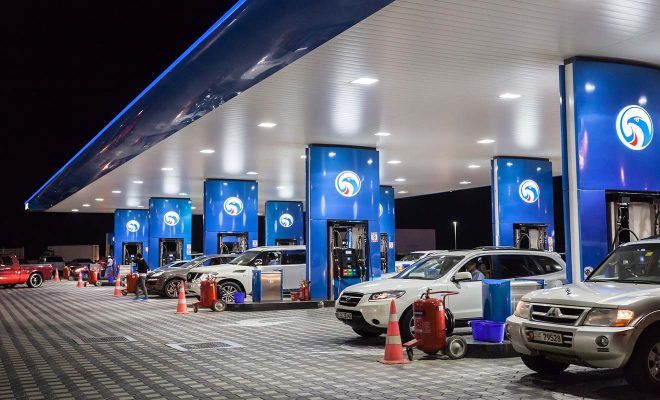
    Motorists across the UAE are set to enjoy substantial savings at the fuel pump this month after the UAE Fuel Price Committee announced a significant reduction in petrol and diesel prices for July 2026. The revised rates, which came into effect on 1 July, mark one of the largest month-on-month decreases in recent times, providing welcome financial relief for residents, businesses, and transport operators.

    The latest fuel price revision follows several months of increases and reflects a decline in global crude oil prices during June. Since the UAE adopted a deregulated fuel pricing system in 2015, retail fuel prices have been adjusted every month based on international oil market movements, refining costs, and distribution expenses.

    July 2026 UAE Fuel Prices

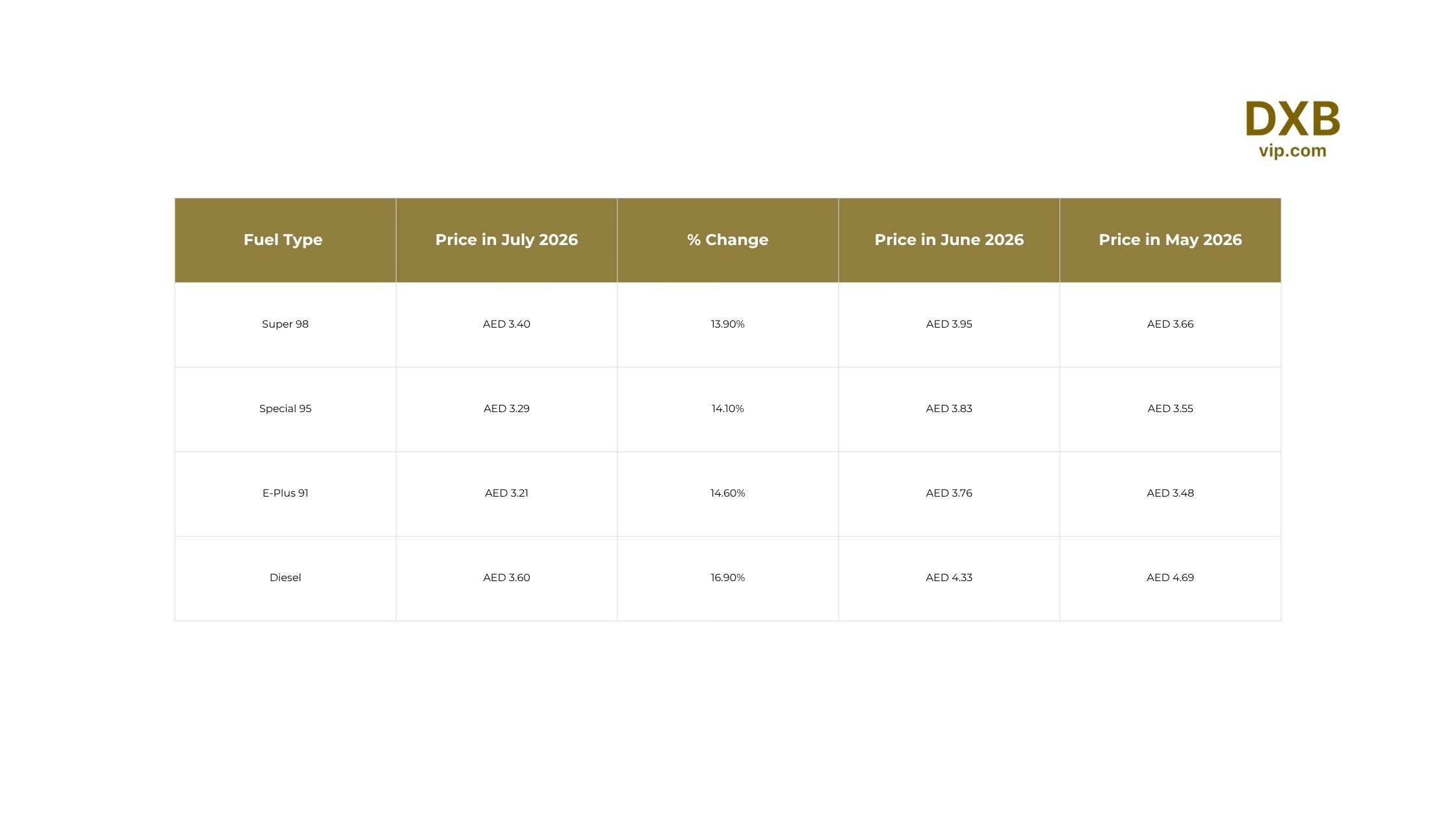
    The official fuel prices for July 2026 are:

    • Super 98: AED 3.40 per litre
    • Special 95: AED 3.29 per litre
    • E-Plus 91: AED 3.21 per litre
    • Diesel: AED 3.60 per litre

    Compared with the previous month, motorists will notice significant reductions across all fuel grades.

    • Super 98 has fallen from AED 3.95 to AED 3.40 per litre, a decrease of approximately 13.9%.
    • Special 95 has dropped from AED 3.83 to AED 3.29 per litre, down 14.1%.
    • E-Plus 91 has declined from AED 3.76 to AED 3.21 per litre, representing a 14.6% reduction.
    • Diesel has recorded the largest decrease, falling from AED 4.33 to AED 3.60 per litre, a drop of nearly 16.9%.

    The revised prices provide immediate savings for anyone filling up their vehicle, particularly those who drive long distances or rely on their vehicles for work.

    July 2026 Petrol Prices Drop

    Welcome Relief for Motorists

    The latest reduction comes as good news for UAE residents who have experienced higher fuel costs over recent months. Whether commuting to work, travelling between emirates, or using private vehicles for daily errands, drivers will now spend considerably less on fuel throughout July.

    For example, filling a standard 60-litre fuel tank with Special 95 now costs approximately AED 197, compared with nearly AED 230 in June. Depending on driving habits, many motorists could save AED 30 or more every time they refuel.

    Households with multiple vehicles and families who travel frequently are expected to benefit the most from the lower prices.


    Businesses Also Stand to Gain

    The impact extends well beyond private motorists. Businesses that depend on transportation are expected to see lower operating costs thanks to the decline in both petrol and diesel prices.

    Logistics companies, courier services, delivery platforms, taxi operators, ride-hailing drivers, construction firms, bus operators, and commercial fleet owners all rely heavily on fuel. Even a small reduction in fuel prices can result in meaningful savings over time, particularly for companies operating dozens or even hundreds of vehicles.

    Diesel users are likely to benefit the most this month. Since diesel powers many trucks, heavy machinery, and commercial vehicles, the 16.9% reduction could significantly reduce operating expenses across sectors such as logistics, construction, manufacturing, and freight transport.

    July 2026 Petrol Prices Drop

    Why Have Fuel Prices Fallen?

    The UAE’s monthly fuel prices are closely linked to international oil market trends. During June, global crude oil prices eased due to improved supply conditions and softer demand expectations in several markets.

    As international benchmark prices declined, the UAE Fuel Price Committee adjusted domestic fuel prices accordingly for July. The country’s fuel pricing mechanism ensures that local retail prices reflect international market conditions rather than remaining fixed throughout the year.

    This system provides greater transparency and allows consumers to benefit when global oil prices fall, while also reflecting increases when international markets move higher.

    Wider Economic Benefits

    Lower fuel prices can positively influence the broader economy. Reduced transportation costs often help businesses manage expenses more efficiently, particularly those involved in logistics and distribution.

    Although fuel is only one factor affecting the cost of goods and services, lower transportation expenses may ease pressure on delivery costs, supply chains, and commercial operations. Businesses that experience lower operating costs may also find greater flexibility in managing prices or improving profitability.

    Consumers may also benefit indirectly through reduced delivery charges and lower transportation-related expenses across various industries.

    Understanding the UAE Fuel Pricing System

    The UAE deregulated fuel prices in August 2015 to align domestic fuel rates with international market conditions. Since then, the Fuel Price Committee has reviewed global oil prices at the end of each month before announcing retail prices for the following month.

    This monthly pricing system allows fuel prices to move in line with global energy markets, ensuring greater transparency while helping consumers benefit when crude oil prices decline.

    Because prices are revised every month, future adjustments will continue to depend on developments in the international oil market.

    Looking Ahead

    While July’s announcement is encouraging, fuel prices for August 2026 will depend on several global factors, including crude oil demand, production levels, geopolitical developments, refinery output, and seasonal consumption trends.

    As international energy markets remain dynamic, motorists can expect monthly price revisions to continue in line with global conditions.

    For now, however, the July 2026 fuel price update delivers welcome savings for millions of drivers across the UAE. With petrol prices falling by around 14% and diesel dropping by nearly 17%, residents and businesses alike can look forward to reduced transportation costs throughout the month, providing a timely boost to household budgets and business operations.

  • How to Easily View Your Abu Dhabi Traffic Fines

    How to Easily View Your Abu Dhabi Traffic Fines

    For business owners, real estate professionals, and residents across the UAE, maintaining administrative efficiency is a cornerstone of a seamless lifestyle. Whether you are navigating the busy corridors of Dubai or commuting to the capital, staying on top of your vehicle’s traffic record is essential.

    Abu Dhabi’s commitment to digital excellence has made the process of checking and paying traffic fines remarkably simple and transparent.

    In this guide, we’ll walk you through how to effortlessly view your traffic fines in Abu Dhabi using the most reliable official channels.

    Why Proactive Fine Management Matters

    In the UAE, the digital transformation of government services has done more than just save time — it has introduced a system where compliance is rewarded.

    • Early Payment Incentives: Abu Dhabi often offers significant discounts for settling fines within 60 days. Regular checks ensure you never miss these windows of opportunity.

    • Operational Readiness: For business owners, ensuring your corporate vehicle fleet is clear of violations is vital for smooth license renewals and avoiding unexpected administrative hurdles.

    • Peace of Mind: With real-time access to radar data and violation details, you gain full transparency into your driving record, allowing you to address any issues or disputes promptly.


    The Top 4 Digital Channels for Traffic Fine Inquiries


    Abu Dhabi Traffic Fines

    1. The TAMM Portal

    TAMM is the central hub for all Abu Dhabi government services. It is the most comprehensive tool for residents and businesses because it integrates seamlessly with your UAE PASS.

    • Step 1: Visit the TAMM website or download the TAMM app.

    • Step 2: Log in securely using your UAE PASS.

    • Step 3: Navigate to the “Drive and Transport” section.

    • Step 4: Select “Traffic Fine Payment” under the “Fines & Violations” category.

    • Step 5: The system will automatically display any fines linked to your Emirates ID and registered vehicles. From here, you can review, select, and pay instantly.


    2. Abu Dhabi Police E-Services

    For direct access to traffic enforcement data, the official Abu Dhabi Police portal is your primary destination.

    • Step 1: Head to the Abu Dhabi Police E-Services page.

    • Step 2: Go to “Traffic Services” and select “Traffic Fines Inquiry and Payment.”

    • Step 3: You can search by entering your Traffic Code Number (TCN), Vehicle Plate Number, or Driving License Number.

    • Step 4: Click “Search.” The portal will provide a detailed breakdown of the violation, including the date, amount, and even radar-captured evidence images.


    3. Emirates Vehicle Gate

    If you need a lightning-fast status update without going through a full login process, EVG is the go-to solution.

    • Step 1: Visit evg.ae.

    • Step 2: Select “Abu Dhabi” as the plate source.

    • Step 3: Enter your plate details or traffic code.

    • Step 4: Complete the captcha and view your pending fines instantly.

    4. Ministry of Interior (MOI) UAE App

    If you frequently travel between Dubai, Abu Dhabi, and other emirates, the MOI app offers a unified view of your traffic status across the entire country.

    • Step 1: Open the MOI UAE app (available on iOS and Android).

    • Step 2: Log in with your UAE PASS.

    • Step 3: Access “Traffic Services” and select “Traffic Fines Inquiry.” This provides a consolidated view, making it the most efficient option for those managing inter-emirate travel.


    Pro-Tips for Efficient Management

    • Use the SMS Service: If you are on the move and just want a quick status check (no payment), you can send an SMS to 3070 using the format: [Plate Number] [Space] [Plate Category] [Space] [Plate Code].

    • Disputing a Fine: If you believe a fine was issued in error, you can submit a “Violation Review” request directly through the Abu Dhabi Police app or website, where you can upload supporting evidence like dashcam footage.

    • Keep Your Data Current: Always ensure your contact details are updated in your traffic file. This ensures you receive timely notifications about new violations and potential discount eligibility.


    Final Thoughts

    In the modern UAE, government services are designed to be “invisible” — working in the background to simplify your life.

    By leveraging these official portals, you ensure that your personal and professional mobility remains unhindered.

    We recommend setting a recurring reminder to check these platforms once a month. It’s a small, proactive habit that saves time, prevents penalties, and keeps your records in perfect standing.

    Stay compliant, stay informed, and enjoy the seamless efficiency of the UAE’s digital future.

    In addition, explore our business setup services in Dubai mainland and UAE free zones.

  • Gulf states beat global averages across board

    Gulf states beat global averages across board


    DUBAI, UAE — In an era defined by global economic volatility, the Gulf Cooperation Council (GCC) states have emerged as a stable and progressive nation in terms of health, education and services.

    Recent data from the Statistical Centre for the Cooperation Council for the Arab Countries of the Gulf (GCC-Stat) confirms that the region is not merely meeting international development targets — it is actively surpassing them.


    By consistently outperforming global averages in health, education, and basic service accessibility, the GCC is setting a new blueprint for sustainable, high-quality development.

    Leading the Charge in Human Development

    The GCC’s performance against United Nations Sustainable Development Goals (SDGs) underscores a strategic, long-term commitment to human capital.

    gcc

    A united vision with the six nations of the Gulf Cooperation Council — the UAE, Saudi Arabia, Qatar, Kuwait, Oman, and Bahrain.

    The region’s achievements in social infrastructure are particularly striking:


    • Healthcare Excellence

    The GCC has achieved 100% universal health coverage — a significant lead over the global average of 68%.


    Maternal and under-five mortality rates in the region are fractionally lower than global targets, and physician density has reached 33.6 per 10,000 population, nearly double the international norm.

    • Educational Advancements:

    With a literacy rate of 99.2% and near-universal pre-primary enrollment (99.8%), the Gulf is positioning itself as a global leader in knowledge-based economies.

    Schools across the UAE and the wider region are now equipped with full access to modern digital infrastructure and highly qualified teaching staff.

    • Infrastructure & Utility Standards

    Access to electricity and safe drinking water has reached 100% across the region, vastly outpacing the global averages of 91.7% and 73.7%, respectively.


    A Model for Social Inclusivity

    Perhaps the most notable takeaway from the recent GCC-Stat report is the region’s success in eradicating extreme poverty.

    By implementing advanced social protection systems, GCC governments have ensured that all segments of society enjoy living standards well above international poverty thresholds.

    This inclusive approach has not only fortified social stability but has also fostered a business environment characterized by predictability and high consumer confidence.

    What This Means for Investors and Entrepreneurs

    For those operating out of Dubai and across the UAE, these statistics are more than just numbers; they are indicators of a deeply resilient ecosystem.


    “Whether you are establishing a global headquarters in a Dubai free zone or investing in the region’s booming real estate market, you are entering a market that is fundamentally built on top-tier infrastructure, institutional strength, and a clear vision for the future.”


    Looking Toward the Future

    While the GCC has made significant strides, the report also identifies a forward-looking roadmap for the region. As Gulf nations transition toward renewable energy, improved resource management, and diversified economic output, they are moving from a phase of rapid development to one of sustainable refinement.

    For the international investor, the message is clear: the Gulf is no longer just a place to do business—it is a global leader in providing the standard of living and administrative efficiency required for modern, sustainable prosperity.

    Are you looking to align your business with a region that is outpacing global development trends?

    At DXB VIP, we specialize in offering the business setup services in Dubai and across the UAE. Let us help to secure your success in one of the world’s most growing hubs.

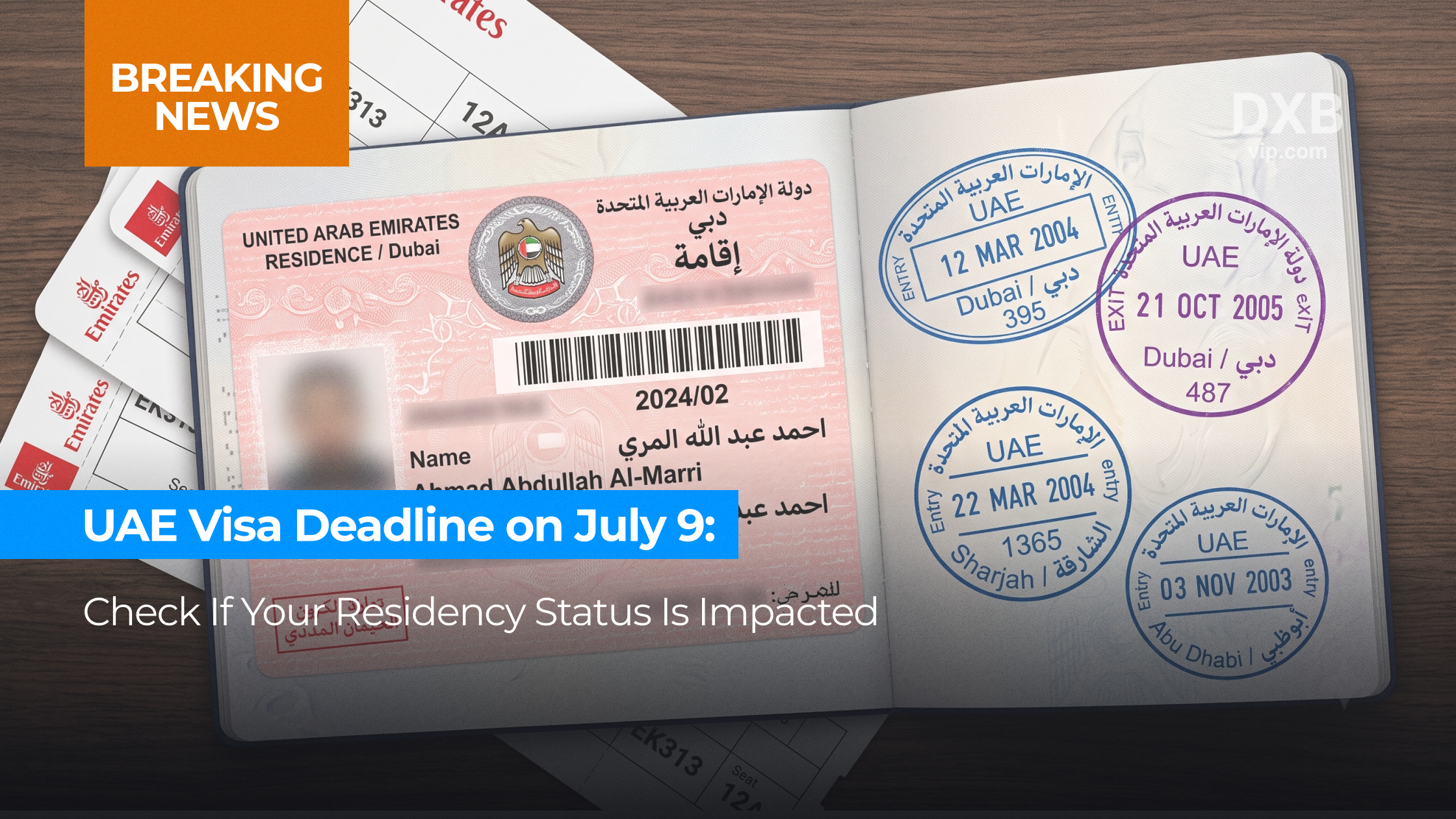
  • UAE Visa Deadline on July 9: Check If Your Residency Status Is Impacted

    UAE Visa Deadline on July 9: Check If Your Residency Status Is Impacted

    Navigating visa changes is stressful enough without a ticking clock. If you have been relying on the fine exemption that rolled out earlier this year, that window is unfortunately closing.

    The ICP has set a strict deadline of July 9, 2026, to resolve your visa status. If you are feeling anxious about what to do next, take a breath. We’re here to break down exactly what this means, who it affects, and how you can handle it safely.

    Do You Need to Worry About the July 9 Deadline?

    This cutoff does not affect everyone. It is specifically for individuals who were stranded in the UAE and received an exemption from overstay fines when the sudden airspace closures happened around February 28, 2026.

    You need to take action if you fall into one of these three groups:

    • Tourist & Visit Visa Holders: Your short-term visa expired while flights were grounded.

    • Cancelled Residence Visas: Your employment or residency visa was cancelled, but you couldn’t physically leave the country during your standard grace period.

    • Departure Permit Holders: You had an exit permit but couldn’t fly out due to the regional disruptions.

    Now that flights are back to normal, the ICP is officially lifting that temporary safety net.

    What Are Your Next Steps?

    If you are in one of those categories, you really have two choices before July 9:

    1. Head Home Penalty-Free: You can leave the UAE through the normal exit process. As long as you fly out before the deadline, you will not owe a dirham in accumulated overstay fines.

    2. Regularize Your Status: If the UAE is home—or you want it to be—you need to legally transition to a new, valid visa before time runs out.

    We Can Help You Stay

    Fixing your visa isn’t just about filing paperwork; it’s about securing your life and your livelihood here. This is exactly where we step in.

    At DXB VIP, our experts offer business setup services across the entire UAE.

    Here are a few ways we can help you turn a stressful deadline into a long-term opportunity:

    1. Take Control with an Investor Visa

    If your employment visa was cancelled, why not become your own boss? We fast-track company setups in Dubai and Free Zones across the UAE.

    Getting an Investor or Partner visa puts you in control of your residency, so your ability to stay isn’t tied to a third-party employer.

    2. Put Down Roots with a Golden Visa

    Investing in property is one of the most secure ways to stay, serving as the direct path to a 10-Year UAE Golden Visa. Through our real estate firm, we can help you find a property that meets the AED 2 million threshold.

    Whether you want to buy in Dubai or elsewhere in the Emirates, we handle the property acquisition and the residency processing all at once.

    3. Smooth Corporate Relocation

    If you are just shifting to a new job or moving your existing business operations, our team will fast-track your new employment visas and Emirates IDs so you beat the ICP deadline without a problem.

    Please Don’t Wait

    We highly recommend acting right away. On July 10, standard enforcement comes back into play. That means daily overstay fines will start adding up again, you risk getting an absconding mark on your record, and you could face bans on re-entering the UAE in the future.

    Whether you want to explore starting a business or securing your future through a real estate investment, reach out to us at DXB VIP today.

    Let’s get your status sorted out legally and safely so you can focus on the future.

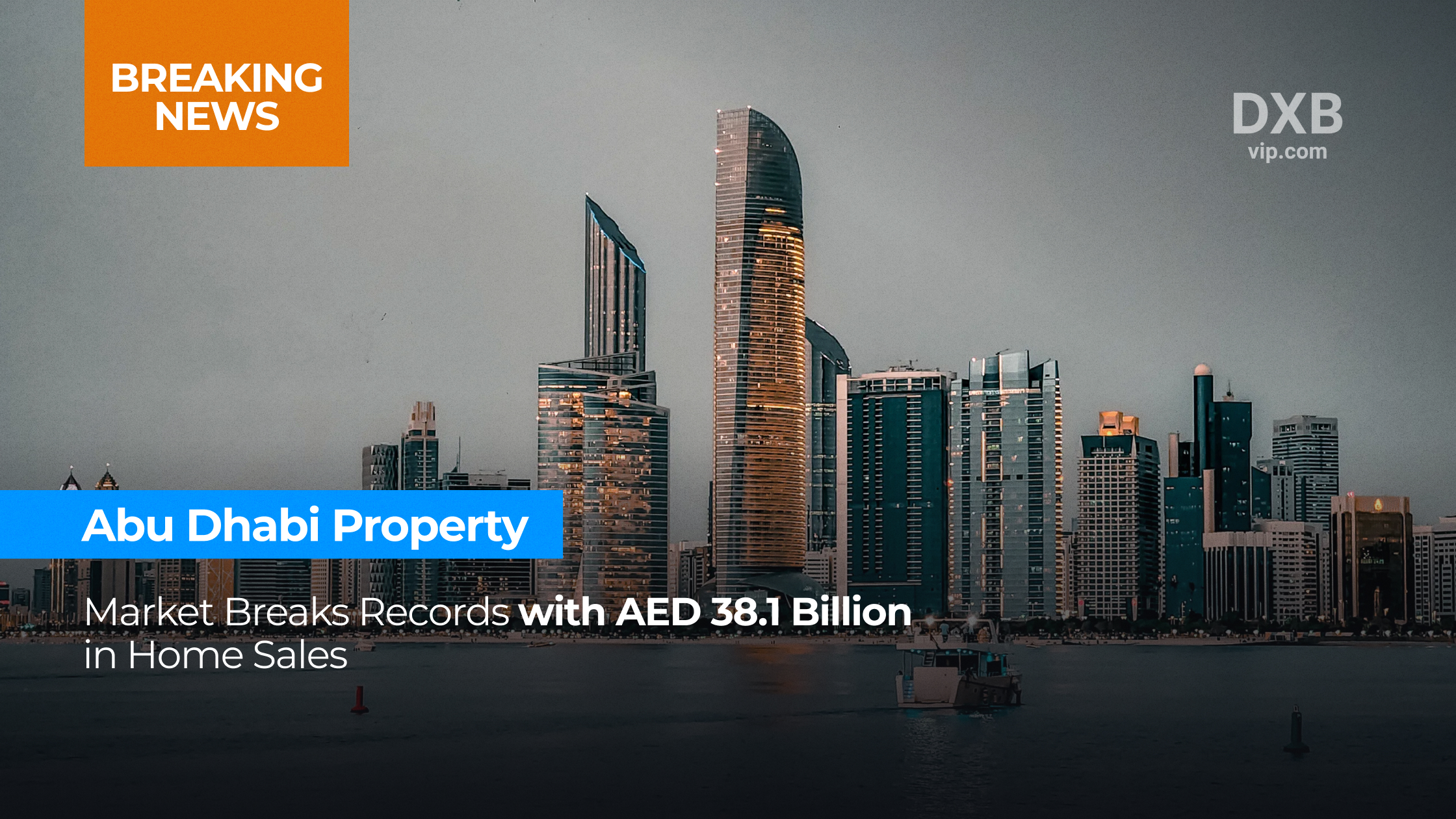
  • Abu Dhabi Property Market Breaks Records with AED 38.1 Billion in Home Sales

    Abu Dhabi Property Market Breaks Records with AED 38.1 Billion in Home Sales

    The UAE has always been a magnet for global capital, but the momentum we are seeing right now is truly historic. In the first quarter of 2026, Abu Dhabi’s property market completely redefined its own benchmarks, registering an unprecedented AED 38.1 billion in residential home sales.

    For high-net-worth investors, this isn’t just a headline—it’s a clear signal.

    While Dubai remains the ultimate gateway for corporate structuring and lifestyle, Abu Dhabi is rapidly emerging as a powerful, complementary engine for portfolio growth.

    Here is a look at what is driving this surge, and how we can help you position your capital to capture it.

    Behind the Record-Breaking Numbers

    This recent volume reflects a calculated, long-term commitment from global investors. Rather than chasing short-term speculation, smart capital is flowing directly into master-planned, high-end infrastructure.

    Market Metric Q1 2026 Performance
    Total Sales Volume AED 38.1 Billion
    Total Transactions ~8,100 Sales (211.5% YoY growth)
    Off-Plan Share 81.6% of total volume
    Dominant Segment Apartments (>70.7% of sales)

    The massive 81.6% off-plan market share (roughly 6,600 transactions) is the most telling metric.

    It underlines absolute investor confidence in the emirate’s future.

    Luxury waterfronts are leading the charge: Yas Island and Al Reem Island are the top choices for apartment investments, while Al Hudayriyat Island has become the premier destination for high-end villas and townhouses.

    Two Cities, One Perfect Strategy

    You don’t need to choose between the UAE’s two economic powerhouses. In fact, they offer an incredibly balanced ecosystem for wealth preservation and growth.

    • Dubai (The Anchor): Offers a mature market with stabilized, high-liquidity rental yields and massive infrastructure rollouts—like the integration of 29 new metro stations and premium coastal enclaves such as the SIORA project on Dubai Islands.

    • Abu Dhabi (The Growth Engine): Provides expanding, institutional-grade off-plan opportunities for serious capital appreciation.

    Both markets are guided by clear, long-term visions like the Dubai 2040 Urban Master Plan, ensuring a highly predictable and structured environment for your investments.

    Structuring Your Success

    Deploying capital into a fast-moving market requires flawless corporate architecture. Our corporate setup divisions bridge the gap between Dubai-based operations and cross-emirate asset acquisitions.

    We leverage Dubai’s premium Free Zone regulations to establish corporate vehicles that allow for 100% foreign ownership. This gives you the ideal legal framework to buy, manage, and protect real estate assets across both Dubai and Abu Dhabi, ensuring tax optimization and robust asset shielding.

    Because trust requires absolute clarity, our specialized translation divisions ensure all complex commercial contracts and professional agreements are accurately translated between Hebrew and English. You will never have to guess about a contractual nuance.

    Beyond the Boardroom with DXB VIP

    Securing a foothold in this market goes beyond corporate paperwork—it requires elite operational support. DXB VIP provides discerning investors and corporate executives with bespoke market orientation and ultra-premium lifestyle logistics.

    Whether you are visiting the capital to inspect waterfront plots, securing exclusive trackside access at the Abu Dhabi Formula 1, or coordinating luxury accommodations and networking events for the upcoming 2026 World Cup matches in the region, we ensure your business objectives and executive lifestyle blend seamlessly.

    The AED 38.1 billion milestone proves the UAE is an unmatched destination for global wealth. Let’s make sure you are perfectly positioned to take advantage of it.


  • Will the Apple and Tesla Data Breach Affect Your Next iPhone or EV?

    Will the Apple and Tesla Data Breach Affect Your Next iPhone or EV?

    When news broke that “World Leaks”—a notorious ransomware syndicate—dumped over 630 gigabytes of highly classified data from India’s Tata Electronics, it sent shockwaves through global markets.

    Tata isn’t just another manufacturer; it’s a vital artery in the supply chains for both Apple and Tesla.

    Naturally, if you’re waiting for the newest iPhone or the latest Tesla, you’re probably wondering:

    Is this massive digital heist going to cause real-world production delays?

    Exposing the Supply Chain’s Weakest Links

    The sheer scale of this leak is hard to overstate. Independent cybersecurity analysts sifted through the massive 200,000-file dump and found it packed with exact blueprints, audit documents, and sensitive operational data.

    For Apple, this breach hits right as they’re trying to aggressively expand their manufacturing footprint in India.

    The leaked files reportedly include their highly guarded quality inspection standards for iPhone components. Tesla’s situation is just as alarming.

    Hackers exposed intricate engineering drawings for the Model 3 “Highland” project, along with highly specific charge-port controller specs for the Model Y. These aren’t just generic administrative files — these are the exact trade secrets that keep Apple and Tesla ahead of the curve.

    The Threat of Production Bottlenecks

    Tata Electronics has publicly stated that their factory operations haven’t been interrupted. But if you know anything about modern hardware manufacturing, you know the reality is a lot more complicated.

    Building an iPhone or an EV is an incredibly delicate, perfectly timed ballet of global logistics. Cybersecurity experts warn that while we might not see the impact on the factory floor today, the ripple effects are coming. If Apple can’t securely share new hardware schematics, or if Tesla has to pause to safely update its manufacturing parameters, production lines are going to hit a wall. All it takes is one isolated supplier network or a prolonged security review to throw a wrench into the entire system.

    Dubai: A Safe Haven for Global Investors

    If there’s a takeaway from this data leak, it’s the stark wake-up call it provides to high-net-worth individuals and global executives. It’s a harsh reminder that your intellectual property is only as secure as the weakest link in your operational chain.

    With cyber extortion increasingly targeting corporate trade secrets, managing risk now means operating from a place that treats security as an absolute priority.

    This is exactly why the United Arab Emirates — and specifically Dubai — is standing out as a true operational safe haven.

    The UAE government hasn’t just talked about cybersecurity; they’ve poured massive investments into building a highly robust digital infrastructure designed to protect corporate assets.

    Arriving in Dubai to secure your UAE Golden Visa or complete your corporate relocation? Streamline your residency process as the moment you land with our premium services.

  • Sharjah to Dubai Traffic: Everything You Need to Know About the New Al Taawun Tunnel

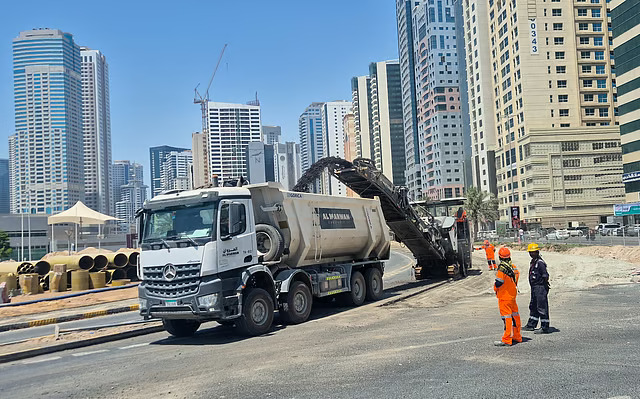
    The newly announced Dh750 million transit initiative connecting Sharjah directly into Dubai via the Al Taawun Tunnel is set to redefine cross-emirate mobility, radically compressing travel times, high-yield opportunities for strategic capital placement.

    Targeted for a soft opening in November 2026, the Al Taawun Tunnel Development Project is a monumental leap forward for the region’s transport network.

    For years, the Sharjah-Dubai commuter corridor has experienced dense traffic volumes, particularly around the Al Taawun Roundabout, where multiple major arteries converge.

    The new engineering marvel involves the construction of a 500-metre underpass tunnel designed to entirely bypass surface-level congestion. Featuring a dual carriageway with three lanes in each direction, this underground artery will provide a direct, uninterrupted route into Dubai via the Al Nahda Bridge.

    Al Nahda

    Furthermore, it will offer seamless access to the Expo Centre Sharjah and eventually tie into the upcoming Noor Road, creating a completely revolutionized transit map.

    For VIP clients and premium investors, understanding these infrastructural shifts is critical. Reduced friction in daily transit directly correlates to the expansion of prime, investable territories.

    As the commute between Dubai’s bustling commercial hubs — such as the Dubai International Financial Centre (DIFC) and Business Bay — and Sharjah’s premium waterfront developments becomes effortless, the traditional borders separating the two real estate markets begin to blur.

    Neighborhoods in Sharjah that previously seemed disconnected due to peak-hour traffic are now being repositioned as highly viable, premium residential enclaves.

    This allows investors to acquire luxury assets at highly competitive entry price points while anticipating significant capital appreciation as the infrastructure reaches completion.

    The scope of this Dh750 million project extends beyond just the Al Taawun Tunnel. It encompasses a comprehensive upgrade of the Al Khulafa-Al Rashideen Intersection, the addition of free-flow entry points from Al Ittihad Road, and the construction of new bridges across key industrial streets linking back to the Sheikh Mohammed bin Zayed Road (E311).

    This holistic approach ensures that the entire grid operates with maximum efficiency.

    For high-net-worth individuals managing extensive portfolios or establishing corporate headquarters in the UAE, this level of connectivity guarantees operational fluidity.

    It means that executives can reside in sprawling, luxurious estates in Sharjah while maintaining immediate, reliable access to their business interests in central Dubai.

    At DXB VIP, our advisory framework relies heavily on predicting where the smart capital will move next. Infrastructure developments of this magnitude are the most reliable indicators of future market hotspots.

    The Al Taawun Tunnel is not just a road project; it is an economic bridge that integrates the wealth and lifestyle offerings of two dynamic emirates.

    By acting now and positioning investments along these newly optimized corridors, our clients can secure premium assets that offer both unparalleled security and exceptional long-term yields.

    The future of elite UAE living is interconnected, fast-paced, and highly lucrative.

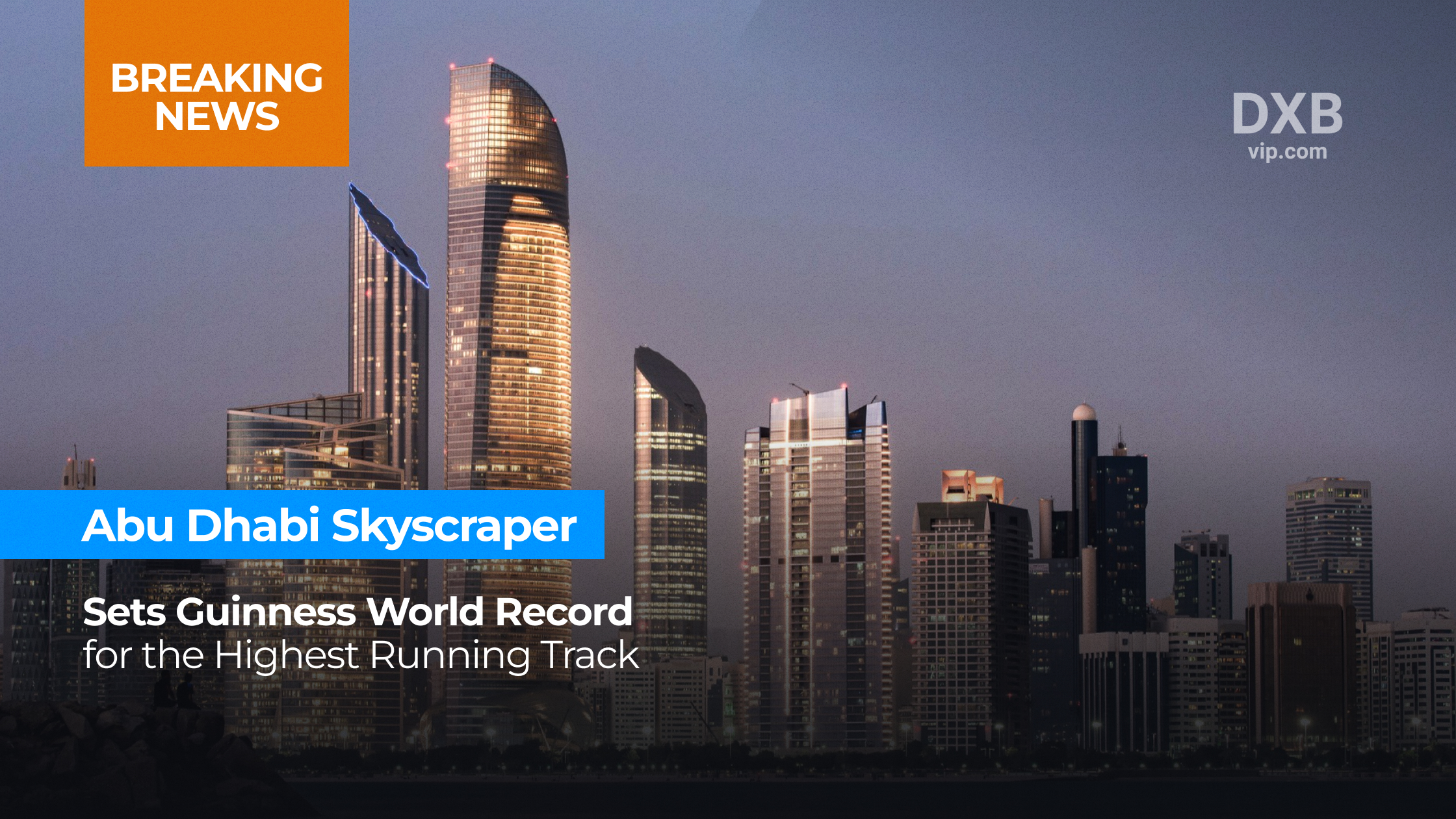
  • Abu Dhabi tower earns Guinness World Records title for highest running track on a building

    Abu Dhabi tower earns Guinness World Records title for highest running track on a building

    The United Arab Emirates continues to solidify its reputation as a global safe haven for investors and a pioneer in architectural innovation.

    As reported by Ali Al Hammadi on June 16, 2026, an Abu Dhabi tower has officially earned the Guinness World Records title for the highest running track on a building.

    Guinness World Records

    Located at the pinnacle of the Al Ain Tower, this extraordinary track stands exactly 179.7 metres above ground level.

    Certified on June 11, 2026, this achievement by the Abu Dhabi-based asset management company ALAIN is not just a triumph of engineering; it is a powerful indicator of the economic vitality and visionary urban planning that makes the UAE the ultimate destination for capital security and luxury living.

    For high-net-worth individuals and international investors seeking a safe haven, the UAE property market offers unparalleled stability backed by a culture of continuous achievement.

    The record-breaking track at Al Ain Tower offers runners a unique fitness experience with sweeping views across Abu Dhabi’s skyline, but its implications reach far beyond fitness.

    ALAIN developed this track as part of its strategic efforts to promote wellness, active lifestyles, and community engagement within its residential and commercial properties.

    In today’s high-end real estate market, properties that prioritize wellness and distinctive lifestyle experiences consistently command the highest valuations and offer the most resilient investment returns.

    The achievement marks ALAIN’s third Guinness World Records title, a testament to the consistent excellence found within the UAE.

    The company previously received global recognition for the world’s highest outdoor infinity pool and the highest occupiable skybridge floor at the Address Beach Resort in Dubai.

    This cross-emirate footprint of record-breaking developments highlights the interconnected strength of the UAE economy.

    Whether investing in Dubai’s dynamic luxury sector or Abu Dhabi’s expanding premium residential market, international buyers are securing assets in a jurisdiction that continuously sets global benchmarks.

    Promoting an active lifestyle has become a central pillar of modern urban development. ALAIN noted that the rooftop running track was designed specifically to provide residents with an outdoor fitness space while encouraging healthier living in an urban setting.

    Rabih Karam, Group Chief Executive Officer of ALAIN, emphasized that the latest achievement reflects the company’s focus on innovation and creating unique experiences within its developments.

    “We are proud to receive this recognition from Guinness World Records and add a third world record to ALAIN’s portfolio,” Karam stated.

    He further articulated a philosophy that resonates deeply with luxury real estate investors:

    “The highest running track on a building reflects our belief that real estate should offer more than just physical spaces. We aim to create experiences that promote wellness, inspire people and enhance everyday life.”

    At DXB VIP, we recognize that real estate must transcend standard physical boundaries to deliver true safe haven value.

    Karam added that the company remains committed to delivering developments and destinations that stand out in the market.

    To celebrate the milestone, ALAIN launched a promotional campaign featuring Yahya Al Ghassani, winger for Shabab Al Ahli and the UAE national football team, who was among the first to run on the track following its official certification.

    According to the company, the campaign reflects the themes of ambition, movement, and achievement that inspired the project. These are the exact themes that define the UAE’s economic landscape.

    For investors looking to protect and grow their wealth, the UAE offers a secure, innovative, and record-breaking environment that stands completely unparalleled on the global stage.

  • Key Benefits of Dubai’s New Smart Medical Visa for Overseas Patients

    Key Benefits of Dubai’s New Smart Medical Visa for Overseas Patients

    For the global elite, international mobility is about far more than leisure or business expansion; it is an essential tool for securing elite-level personal health, wellness, and longevity.

    The latest strategic integration between the General Directorate of Residency and Foreigners Affairs (GDRFA Dubai) and the Dubai Health Authority (DHA) directly elevates this high-end mobility landscape.

    The introduction of the Smart Medical Visa establishes a highly efficient, premium standard for cross-border medical travel, tailored specifically to the needs of discerning global citizens.

    This initiatives goes beyond standard digital government updates. It represents a fundamental restructuring of medical access, successfully combining premium clinical diagnostics with rapid immigration processing.

    For international patients seeking the absolute highest standard of care, Dubai has successfully transformed a complex administrative routine into a proactive, VIP service model.

    White-Glove Efficiency: The Pre-Arrival and Entry Experience


    smart medical visa

    The primary asset for any high-net-worth individual is time. Traditional cross-border medical treatments frequently suffer from logistical bottlenecks, including visa delays, manual document authentication, and uncoordinated communication between clinical teams and border control.

    The Smart Medical Visa entirely eliminates these inefficiencies through a fully automated electronic framework.

    Through the premium tiers of the Dubai Health Experience (DHX) platform, a patient’s medical documentation, elite private insurance coverage, and corporate identity files are processed concurrently. This enables an array of exclusive, proactive advantages:

    • Pre-Arrival Clinical Alignment: Patients can securely share encrypted biometric files and participate in virtual consultations with top-tier specialists. It ensures a fully customized treatment plan is locked in prior to departure.

    • Instant Entry Clearances: The digital link between the DHA and GDRFA systems enables immigration clearances to be issued quickly, bypassing conventional bureaucratic wait times.

    • Sponsor visas: Recognizing the vital importance of a support network, the system allows for the immediate, simultaneous issuance of companion visas for family members, private medical staff, and personal assistants.


    World-Class Infrastructure: Luxury Recovery and Medical Excellence

    Dubai’s appeal as an elite wellness destination is driven by its exceptional density of globally ranked, JCI-accredited clinical facilities. The Emirate has successfully attracted leading international hospital groups, world-renowned surgeons, and pioneering regenerative medicine clinics.

    Whether an individual is traveling for advanced robotic surgeries, complex cardiovascular therapies, or state-of-the-art biological longevity programs, the level of clinical excellence matches or exceeds that of traditional Western healthcare capitals.

    The treatment journey is designed to extend far beyond the hospital doors. The Smart Medical Visa’s 90-day and 180-day multi-entry structures are built to support a lifestyle approach to recovery.

    Instead of spending long convalescent periods inside a traditional clinical setting, VIP patients can transit into Dubai’s ultra-luxury hospitality ecosystem. They can recover within private suites at five-star wellness resorts, premium serviced penthouses in Downtown Dubai, or private beachfront villas on Palm Jumeirah.

    This combination of advanced medicine and elite lifestyle comfort ensures an environment for physical and mental recovery.

    Importance of healthcare in Dubai, and the UAE

    In the modern luxury economy, health is the ultimate asset. By creating a fully integrated immigration and wellness system, Dubai has established itself as an essential destination for global health management.

    The Smart Medical Visa provides premium international clients with absolute peace of mind, knowing their health journeys will be managed with speed, privacy, and flawless professional execution.

    Planning medical treatment or launching a mainland company formation in Dubai? DXB VIP offers healthcare licensing, business setup, and Golden Visa support.