Category: Financial Insights

  • Breaking: Women Founders Take Center Stage in Dubai

    Breaking: Women Founders Take Center Stage in Dubai

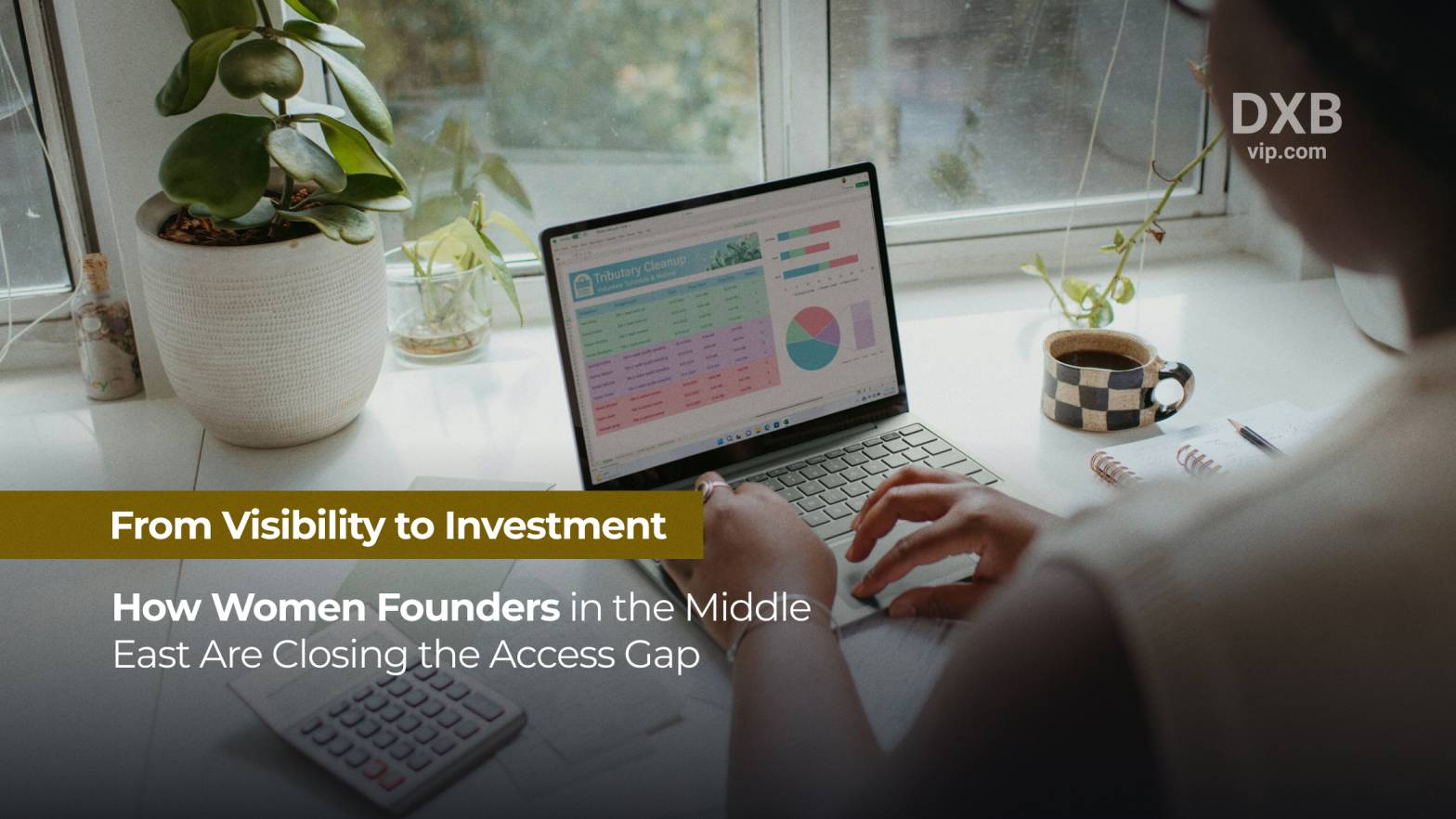
    Something has shifted in the Middle East’s startup scene. For years, the conversation around women in business centred on visibility: panels, networks, awards and community building.

    That era did its job.

    The new conversation is harder-edged and far more commercial, focused on revenue, investor readiness and cheques, however modest they may start.

    A clear illustration came from Founders Official, the Dubai-based platform formerly known as the Female Founders Network.

    In mid-2026 the organisation staged a Pitch Night in collaboration with Amazon Web Services UAE, at which one selected founder received a US$5,000 investment from Bedford Capital.

    The event was open to founders from across the Middle East rather than restricted to members, and it brought female entrepreneurs face to face with investors and operators in a working environment rather than a celebratory one.

    Five thousand dollars will not scale anyone’s company. But that was never the point, and understanding why reveals a great deal about where the region’s ecosystem now stands.

     

    Women entrepreneurs in Dubai

    Capital Exists. Access Doesn’t.

    Nicki Bedford, the chief executive and founder of Founders Official, has been blunt about the real bottleneck. In her assessment, the region does not suffer from a shortage of capital; it suffers from a shortage of proximity.

    Money is being deployed across the Gulf every month, but many capable founders simply never get into the rooms where those decisions are made.

    The missing ingredients, she argues, are networks, strategic introductions, commercial opportunities and a working knowledge of what investors actually need to see before they commit.

    That diagnosis reframes the whole “funding gap” debate. If the problem were purely capital, the answer would be bigger funds.

    If the problem is access, the answer is engineered collision: structured events where founders refine their pitch, absorb direct feedback and build relationships that compound long after the evening ends.

    The Pitch Night model is designed to attack three problems simultaneously — founder readiness, investor access and funding — with the first two treated as the foundation and the cheque as the catalyst.

    Bedford’s other consistent message is that funding is rarely the first thing a company actually needs.

    Positioning, a sharper commercial narrative and exposure to the right conversations at the right time usually come first.

    Founders who fix those tend to find that capital follows.


    A Maturing Cohort of Founders
    What makes this moment different from the awareness campaigns of five years ago is the quality of the companies being built.

    Observers across the ecosystem describe a marked change in how women-led ventures are constructed: revenue from day one, sustainable growth targets rather than vanity metrics, clear market positioning and stronger operating models.

    The founder education infrastructure has expanded, successful operators are more visible, and pathways into investor and corporate networks are more numerous than they were even three years ago.

    The ambition data backs this up. Mastercard research published in March 2025 found that 84 per cent of women in the UAE were considering starting their own business, one of the highest rates recorded anywhere.

    Role models have multiplied too, from Mona Ataya’s successful exit of Mumzworld to a generation of female fund managers and fintech co-founders operating across Dubai, Abu Dhabi and Riyadh.

    Crucially, the standard being applied is deliberately gender-neutral.

    Investors evaluating a company at Pitch Night or anywhere else are looking for the same fundamentals they would demand of any founder:

    a clearly defined problem, evidence of commercial traction, defensibility, founder-market fit and a credible path to scale.


    Depending on stage, that proof might take the form of revenue, customer adoption or strategic partnerships.

    The fundamentals do not change based on who is pitching, and the most sophisticated women-focused platforms are the first to say so.

    The goal is not a parallel, softer track; it is a faster on-ramp to the same track.


    The Numbers Still Tell a Sobering Story

    None of this optimism should obscure how far there is to go. The venture data for the region remains stark.

    In the first quarter of 2026, only five women-led startups across MENA raised capital, securing a combined US$500,000, while male-founded companies captured roughly 98 per cent of the total US$941 million deployed.

    Monthly figures through 2026 have repeated the pattern: in May, women-founded startups raised just US$200,000 across two deals; in June, US$260,000 across two deals, against more than US$142 million flowing to male-founded teams.

    The disparity is not unique to the Middle East — it mirrors gaps seen in the United States and Europe — and analysts point out that part of the imbalance reflects deal volume, since far more companies are founded by men.


    Some also note that many women entrepreneurs deliberately build self-sustaining businesses that never seek venture money at all, which means funding statistics capture only one slice of female entrepreneurship. But even with those caveats, the numbers make the access argument for itself.


    When capital allocation is that lopsided, engineering more contact between capable founders and active investors is not a nice-to-have; it is the mechanism by which the gap eventually closes.


    Why Small Cheques and Big Rooms Matter

    Seen against that backdrop, a US$5,000 investment functions as something closer to a key than a cheque.

    For the winning founder, it is validation from an investment firm, a story for the next fundraise and a relationship with people who deploy capital for a living.

    For everyone else in the room, the value lies in exposure: investor conversations for some, partnerships, customers or mentors for others, and for many a clearer, unvarnished understanding of exactly what has to change before their company is genuinely investment-ready.

    This is how mature ecosystems behave. Silicon Valley’s demo days, London’s angel dinners and Singapore’s accelerator showcases all operate on the same insight — that trust and pattern recognition are built in person, deal by deal, long before term sheets appear.


    The Road Ahead

    The direction of travel for the region is encouraging. Government-backed programmes across the UAE and Saudi Arabia continue to expand support for female-led ventures, corporate players like AWS are lending infrastructure and credibility to founder platforms, and dedicated vehicles investing in women-led companies are slowly multiplying.

    The conversation itself has changed register, moving from empowerment language to the vocabulary of scale, commercial outcomes and enduring businesses.

    For Dubai in particular, the stakes are strategic. The emirate is competing globally for founders, and roughly half of the world’s founder talent pool is female.

    Every structural improvement in access — every pitch night, every warm introduction, every early cheque — compounds into the city’s larger claim of being the most founder-friendly hub between London and Singapore.

    The measure of success will be simple. It will show up not in event attendance or community size, but in the quarterly funding tables, when women-led startups stop appearing as a rounding error and start appearing as a market force.

    The infrastructure now being built across the region is designed to make that happen sooner rather than later — and the founders, by all accounts, are more than ready.

    As more female entrepreneurs choose Dubai as their launchpad, business setup services are becoming an essential part of turning ambitious ideas into scalable companies.

  • $2.75B Acquisition: Emirates NBD Buys RBL Bank

    $2.75B Acquisition: Emirates NBD Buys RBL Bank

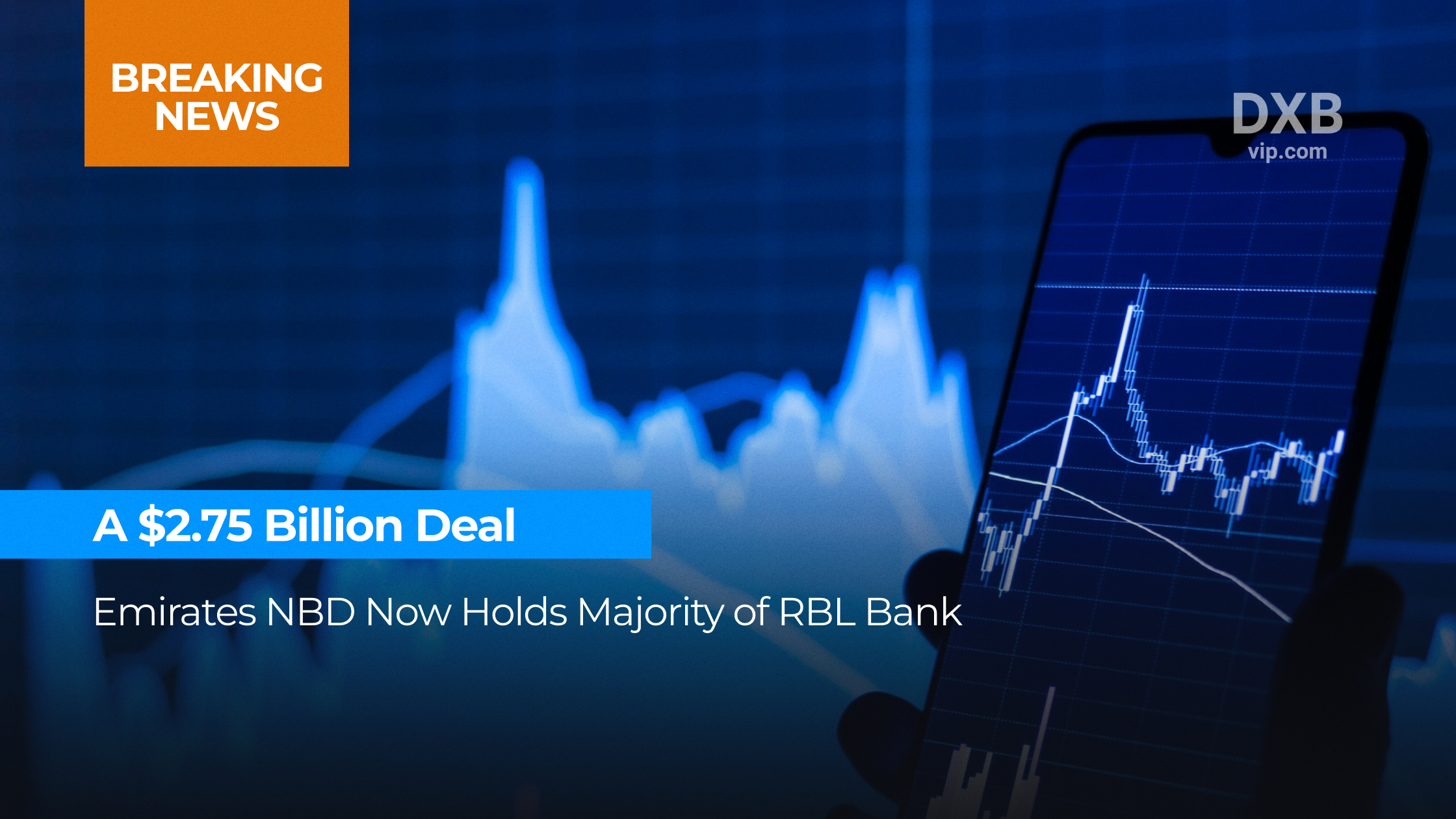
    The dust is still settling on Emirates NBD’s historic $2.75 billion acquisition of India’s RBL Bank, but the ripple effects are already making massive waves.

    Beyond the banking sector, this mega-deal is completely changing the game for Indian businesses looking to relocate or set up regional headquarters in the UAE.

    By creating a frictionless financial bridge between the two nations, the traditional roadblocks to international expansion are vanishing.

    Now, Dubai’s famous free zones are seeing a massive surge of interest from Indian startups, SMEs, and major corporations.

    Solving the Biggest Headache: Corporate Banking

    Historically, one of the toughest hurdles for foreign companies moving to Dubai was opening and managing a corporate bank account. This acquisition changes everything.

    Because Emirates NBD now holds a 60% controlling stake in RBL Bank, Indian businesses can lean on their existing banking relationships back home to seamlessly transition into the UAE market.

    This means:

    • Faster funding: Capital can be deployed rapidly.

    • Simpler operations: Corporate governance and payroll become much easier to manage.

    • Immediate access: Businesses plug right into global trade networks without the usual red tape.

    As a result, business setup firms in Dubai are quickly upgrading their services to take advantage of this streamlined, fast-track process.

    A Massive Win for Dubai’s Free Zones

    Dubai’s economic zones — like the Dubai Multi Commodities Centre (DMCC), Dubai Silicon Oasis, and the Dubai International Financial Centre (DIFC) — are the biggest winners here.

    These free zones already offer incredible perks, such as 100% foreign ownership, world-class infrastructure, and zero corporate tax on qualifying income. Add seamless cross-border banking to the mix, and it’s a no-brainer for Indian entrepreneurs.

    Business setup consultants are already reporting a huge spike in inquiries for company formation, visa processing, and corporate structuring from Indian business owners.

    The Ripple Effect on UAE Business Services

    When companies move to Dubai, they need more than just a commercial license — they need a whole ecosystem of support. This banking bridge is driving skyrocketing demand for localized services, including:

    • Accounting and tax compliance

    • Legal structuring and labor law guidance

    • HR outsourcing and IT infrastructure

    Because of this, business setup firms are evolving. They aren’t just paper-pushers anymore; they are becoming comprehensive operational partners, ensuring these newly minted businesses are fully compliant and ready to hit the ground running.

    The Launchpad for Global Expansion

    This banking deal reinforces a powerful, long-term commitment between the UAE and India.

    Indian investors don’t just see Dubai as a tax haven — they see it as a resilient, world-class hub that unlocks access to markets across Africa, Europe, and the Middle East.

    As we move through 2026, the combination of Emirates NBD’s financial power and Dubai’s business setup ecosystem is driving a new era of corporate migration.

    For Indian businesses, Dubai’s free zones have become the ultimate launchpad for global growth, with the UAE’s business setup industry leading the charge.

  • Inside Yas Marina Circuit: Why Abu Dhabi Offers the Ultimate F1 Motorsport Experience

    Inside Yas Marina Circuit: Why Abu Dhabi Offers the Ultimate F1 Motorsport Experience

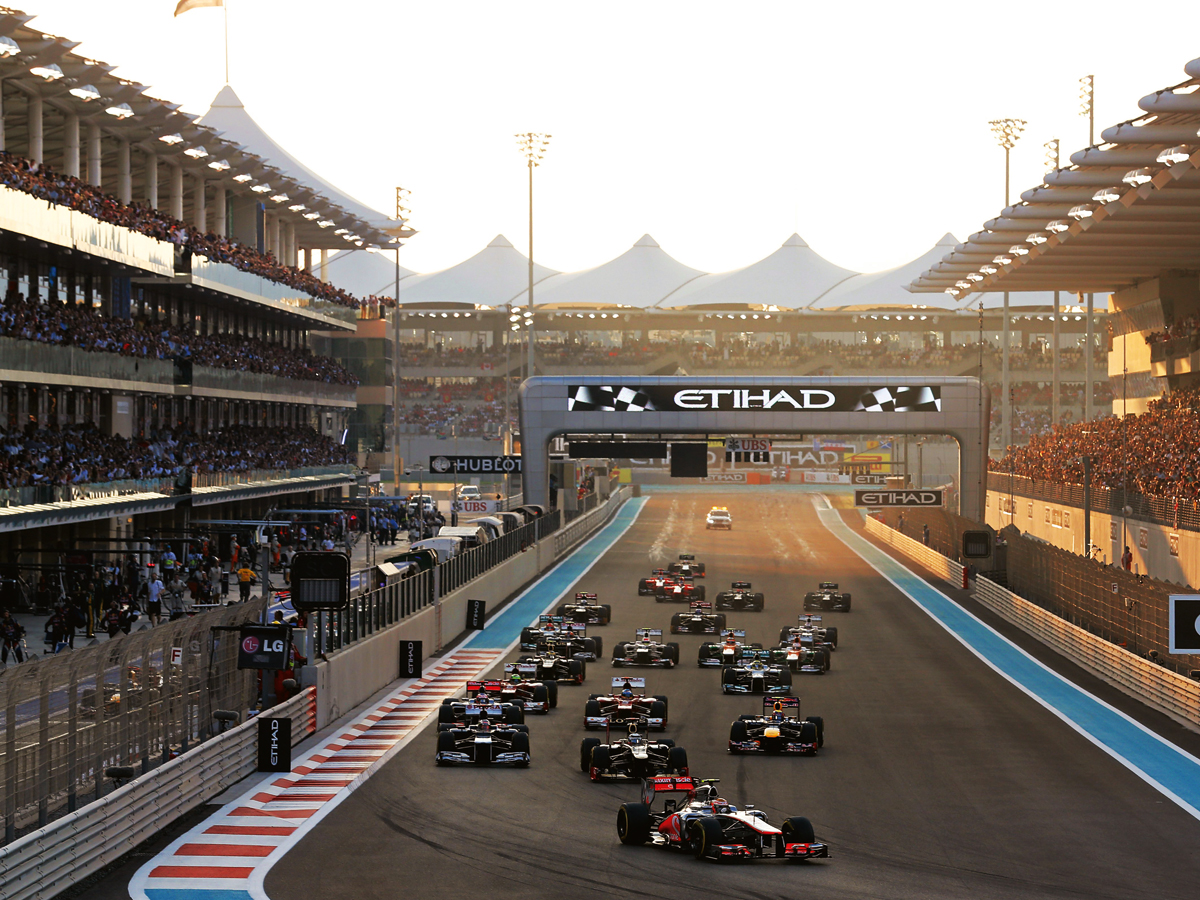
    Mark your calendars: The Etihad Airways Abu Dhabi Grand Prix is officially set to return from December 3 to 6, 2026, for an unforgettable weekend of elite motorsport.

    abu dhabi grand prix

    When Abu Dhabi joined the Formula 1 calendar, it didn’t just add another venue to the map; it completely shifted the sport’s expectations of luxury, engineering, and architectural spectacle.

    Nestled along the turquoise waters of Yas Island, Yas Marina Circuit has cemented its status as motorsport’s ultimate twilight showcase and a premier global destination.

    Engineering a World-Class Icon

    The 5.28 km track layout challenges the world’s best drivers with a demanding combination of 21 tight corners, high-speed acceleration zones, and the longest straightaway on the current F1 calendar (a blistering 1,173 meters).

    Its architecture breaks traditional rules with groundbreaking infrastructure:

    • Subterranean Pit Exit: Drivers plunge into a unique tunnel that snaking beneath the track surface before safely releasing them back into the race.


    • Integrated Luxury Architecture: The track winds directly underneath the iconic, grid-shell canopy of the W Abu Dhabi hotel, bringing spectators and guests closer to the visceral roar of the engines than anywhere else in the world.


    • Climate-Controlled Comfort: Fully shaded, air-conditioned grandstands and high-end corporate suites ensure that even in the heat of the Middle East, the fan experience remains rooted in absolute luxury.


    The Grand Prix Weekend: A Festival of Speed and Luxury

    The annual season finale transforms Yas Island into a high-octane hub of sport, entertainment, and premium hospitality.

    For fans heading to the grandstands, the circuit offers distinct vantage points tailored to different racing preferences:

    Grandstand Best For What You See
    Main Grandstand Pit Lane Action & Strategy The start/finish line, podium celebrations, and rapid 2-second pit stops directly below the garages.
    West Grandstand Overtaking & High-Speed Braking Positioned at the end of the massive straightaway, capturing aggressive overtakes and crucial braking zones.
    Marina Grandstand Luxury Atmosphere & Scenery Wraps around the yacht basin, blending wheel-to-wheel combat with the scenery of the waterfront promenade.

    Living the Experience: From Spectator to Driver

    Yas Marina Circuit’s true impact lies in its transformation from an elite race track into an active, year-round motorsport playground. You do not have to settle for just watching the professionals.

    Through the DriveYAS academy, enthusiasts can jump into the cockpit themselves:

    • Formula YAS 3000: The closest experience to a true open-wheel F1 car. Powered by a 3.0-liter V6 Jaguar engine, this 260-horsepower machine rockets from 0 to 100 km/h in just 2.8 seconds.


    • Supercar Academies: Drivers can test their limits behind the wheel of a track-prepped Aston Martin GT4, a roaring Mercedes-AMG GTS, or an ultra-lightweight Caterham Seven.


    For those looking for a different pace, the circuit opens its gates weekly for community fitness initiatives like TrainYAS, allowing thousands of residents to cycle, run, or walk the pristine F1 tarmac completely free of charge.

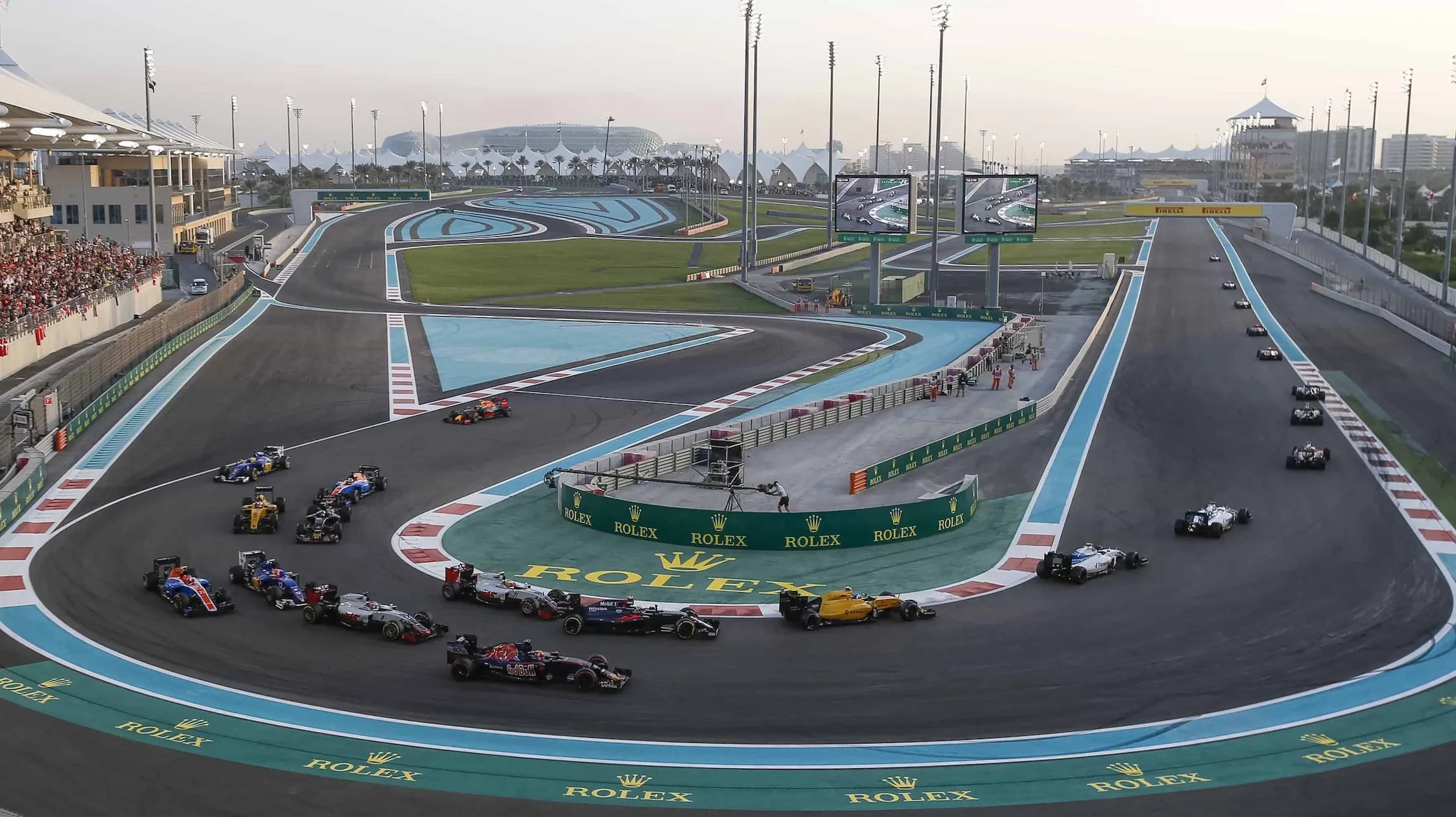
    Abu Dhabi Grand Prix

    An Island of World-Class Entertainment

    The motorsport experience extends seamlessly off the track. Yas Marina Circuit serves as the anchor for an expansive entertainment ecosystem across Yas Island.

    Step away from the paddock, and you are immediately surrounded by award-winning destinations:

    • Ferrari World Abu Dhabi: Home to Formula Rossa, the fastest roller coaster on Earth, matching the actual G-forces experienced by Formula 1 drivers.


    • Yas Marina: A vibrant waterfront lined with international dining venues, upscale lounges, and luxury yacht charters that stay lively throughout the calendar year.


    • Yas Mall & Theme Parks: Offering world-class shopping alongside immersive indoor worlds like Warner Bros. World and Yas Waterworld.


    Learn more about our end-to-end UAE market entry on our business setup services page.

  • Etihad Expands Global Footprint With 300+ Daily Flights And 9 New, Returning Routes

    Etihad Expands Global Footprint With 300+ Daily Flights And 9 New, Returning Routes

    For the discerning global traveler who demands absolute efficiency, seamless premium connectivity, and world-class lounge experiences, the regional aviation landscape has just taken a monumental leap forward. Etihad Airways has formally inaugurated its most extensive summer schedule to date, shattering past operational records by deploying more than 300 flights per day.

    Backed by an aggressive multi-billion-dollar fleet modernization strategy, this summer expansion introduces nine highly curated new and returning routes designed to connect elite passengers directly to the world’s most exclusive cultural, business, and leisure hotspots.

    Etihad is launching its biggest summer season ever, scaling up to 300+ daily flights and a 10% year-on-year capacity jump. This aggressive growth is powered by 23 additional aircraft, all while maintaining a stellar ~90% global load factor.

    Etihad Airways 


    Fleet Optimization Drives Elite Connectivity

    Operating a flight schedule of this magnitude requires flawless logistical execution. To support a 10% year-on-year capacity increase during peak global travel windows, Etihad has strategically expanded its operational fleet by 23 aircraft compared to last summer.

    This rapid asset deployment ensures that premium cabin availability — including Business and First-Class suites — remains highly accessible even during the competitive summer rush.

    Network data reveals that despite the massive surge in seat availability, the airline is operating at a near-90% load factor. This underscores an exceptionally high demand for premium travel to and from the UAE, driven heavily by affluent international corporate leaders, investors, and elite vacationers who view the country as their primary global anchor hub.

    Curating the Global Route Map

    The architectural design of Etihad’s expanded summer network focuses on high-value destinations that align perfectly with the interests of a premium clientele. Between June 11 and June 14, the airline rolled out four consecutive daily route launches:

    1. Kraków: Accessing Poland’s premier cultural capital and burgeoning tech ecosystem.

    2. Palma de Mallorca: A direct link to the heart of Spain’s ultra-luxury Mediterranean villa culture.

    3. Damascus: Restoring a critical regional link to facilitate premium corporate and family transit.

    4. Zanzibar: Providing an direct gateway to exclusive, private island resorts off the coast of East Africa.

    Complementing these year-round additions is the grand seasonal return of five iconic summer escapes, allowing VIP travelers to easily transition from the Arabian Gulf to Europe’s most desirable coastlines:

    • Mykonos & Malaga: Serving the European summer elite with increased weekly frequencies.

    • Santorini & Nice: Offering immediate access to the ultra-luxury markets of the Cyclades and the French Riviera.

    • Al Alamein: Connecting directly to Egypt’s rapidly expanding luxury Mediterranean riviera.


    Redefining the Premium Layover Experience

    To further elevate the travel experience, Etihad’s expanded schedule is accompanied by the introduction of complimentary 15-day medical travel insurance for incoming international guests, working in tandem with the Daman insurance network.

    For high-net-worth individuals utilizing the UAE Stopover Programme, this feature provides total peace of mind, transforming an international transit into an opportunity to conduct asset reviews, view high-end real estate portfolio listings, or enjoy bespoke hospitality experiences across the emirates.

    For the elite traveler, an international layover is the ideal window to anchor permanent global legacy and wealth. We eliminate all administrative friction by offering an uncompromising, white-glove approach to cross-border expansion; establish your sovereign operational rights via our premium trade license services and enjoy flawless execution across corporate banking and private asset management.

  • Cautions and Consistency: Inside Dubai’s Transitioning Property Market for Q1 2026

    Cautions and Consistency: Inside Dubai’s Transitioning Property Market for Q1 2026

    The luxury real estate landscape of Dubai in the first quarter of 2026 demands a sophisticated dual approach from elite global investors: deep strategic caution balanced by an unwavering confidence in long-term asset consistency.

    Total real estate investments across the emirate surged to AED 173 billion across 57,744 transactions during the quarter, indicating that international capital continues to pour into the region at an unprecedented scale.

    Notably, female investors carved out a historic share of this growth, deploying AED 32 billion across more than 15,500 distinct investments. However, behind these towering macro statistics lies a transitioning market that has shed its hyper-speculative, post-pandemic volatility, replacing it with a deliberate, calculated rhythm that mirrors mature financial capitals like London, New York, and Singapore.

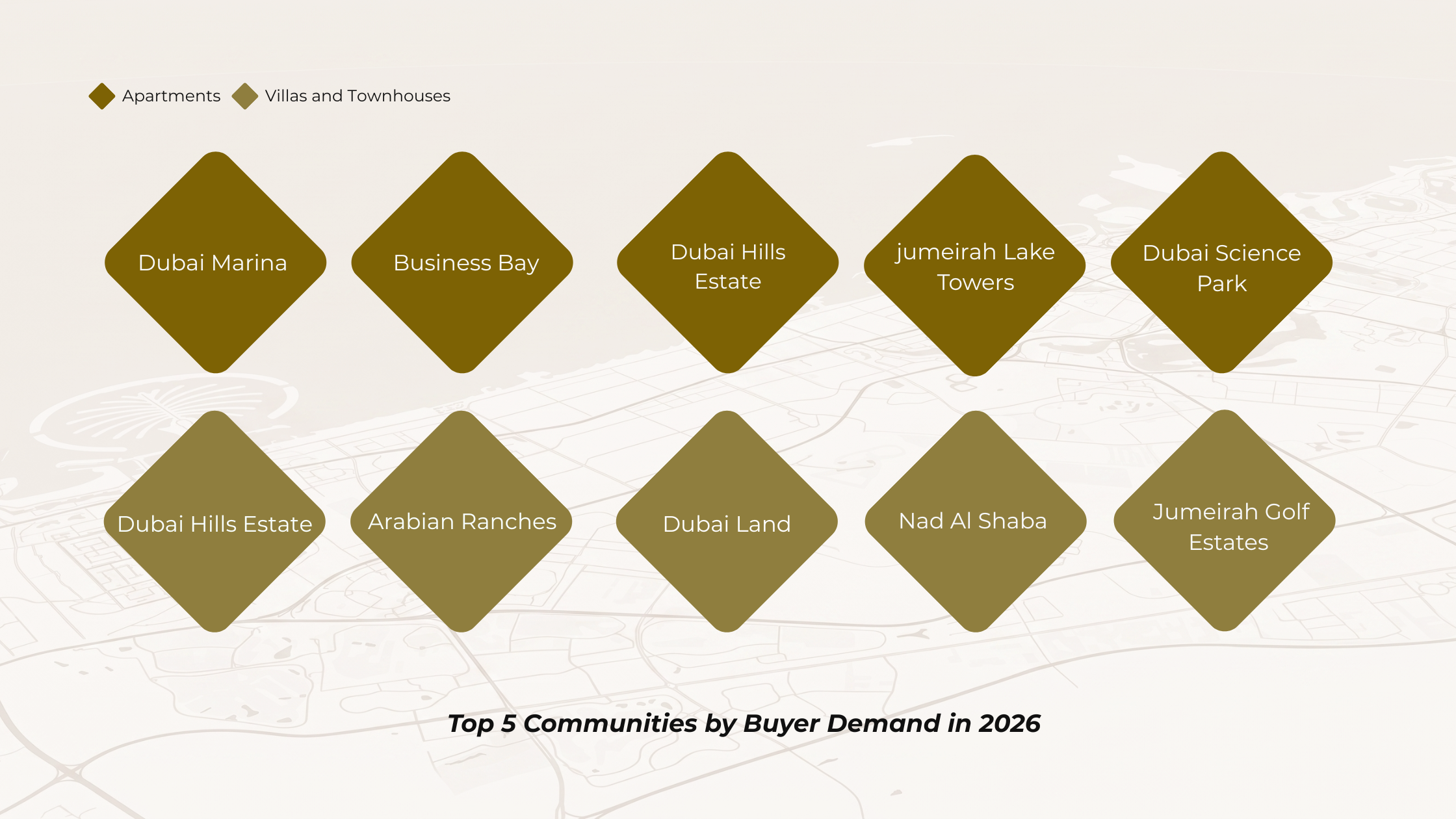
    Top 5 communities

    This transition requires high-net-worth individuals (HNWIs) to exercise sharp caution regarding secondary locations and generic asset types. The secondary market saw a dramatic 40% month-on-month drop in transaction volume in March 2026, heavily influenced by rising global caution, fluctuating mortgage activity, and a collective pause during the holy month of Ramadan.

    This decline serves as a stark warning that secondary, non-prime developments are highly sensitive to shifting buyer sentiments and impending localized oversupply.

    Investors who chase high-volume, lower-tier properties based on historical performance metrics are likely to face compressed yields and slower capital appreciation as the market stabilizes throughout the remainder of the year.

    Consistency, however, remains absolutely ironclad within the ultra-luxury and iconic trophy-asset segments. Investments in high-end luxury real estate reached AED 87.71 billion in Q1 2026—a powerful 26% year-on-year increase.

    This elite micro-market remains entirely insulated from broader economic cooling because its underlying fundamentals are governed by scarcity. There is a finite amount of premium beachfront plots in master enclaves like Palm Jumeirah or the unfolding contours of Palm Jebel Ali, and an equally restricted supply of ultra-luxury penthouses overlooking the Burj Khalifa.

    The global ultra-wealthy demographic continues to view Dubai as an irreplaceable sanctuary due to its safety, world-class infrastructure, and highly favorable lifestyle proposition.

    For the DXB VIP clientele, the mandate for 2026 is clear: avoid the noise of mass-market volume, exercise rigid caution in secondary communities, and focus exclusively on architectural masterpieces and finite land assets that promise multi-generational value retention.

  • The UAE Just Quietly Made It Easier for Free Zone Businesses to Move to the Mainland

    The UAE Just Quietly Made It Easier for Free Zone Businesses to Move to the Mainland

    If your business has been established in an Emirates free zone in recent years, you may have often wondered:

    “How will I be able to sell my products to customers on the mainland?”


    Traditionally, this meant going through a difficult process. Liquidation of the free zone entity, creation of a new one in the mainland, contract transfers, financial changes, visa changes – all taking many months. But not anymore.


    The Emirates government quietly introduced amendments to legislation. And most entrepreneurs have yet to catch up.


    Why This Matters for Foreign Founders

    Under the previous setup, founders had to make an either/or decision straight off the bat: free zone (cheaper, 100% ownership, forbidden from trading outside the free zone) or mainland (greater access to the whole UAE, costlier, with higher compliance).

    They picked the former. Their startup expanded. Now they were in trouble.

    A consultant in Israel expanding his client base in Saudi Arabia through Dubai. A German fintech requiring UAE consumers for their services. A British e-commerce founder discovering his best customers were located in Abu Dhabi.

    They all faced the same brick wall: rebuild their startup or live with restrictions.

    New regulations took down that wall.


    The Three Scenarios That Just Got Easier


    1. Transfer from free zone to mainland.

    A registered entity in a free zone now can relocate to the mainland without being dissolved, retaining registration, contracts, and banking relationships, all without having to reincorporate.


    2. Establishment of free zone branches in the mainland.

    Free zones and financial free zones now allow their registered companies to establish branches or offices in the mainland area, as long as they have the necessary license. This enables companies, whether professional services firms, tech companies, consulting firms, or holding companies, to conduct business outside the free zone area without making any structural changes.


    3. Transfer from one free zone to another.

    Need to move from IFZA to DMCC because you’ve become a commodities trader? You can without losing the benefits of the original company structure, record, and relationships.


    What It Does Not Do

    And herein lies the biggest mistake most blogs are making on this issue. Yes, these changes make it easier to change locations but no, these changes do not blur the lines between jurisdictions. Your corporate tax position remains highly relevant.

    Companies established in free zones who move to the mainland (or establish mainland branches), would have to keep the accounting for their free zone and mainland activities separated to retain their ability to enjoy tax treatment in the free zone.

    Mainland branches of Qualified Free Zone Persons are deemed a domestic Permanent Establishment and income derived through domestic PE shall be determined as if it is the separate and distinct entity which shall be subject to corporate tax rate of 9%.

    Note: you can move around as much as you want. You will have to pay attention to details as you did before. What has changed, is the freedom in structuring your operations. That’s why today we observe more requests from clients regarding restructuring than registration only.


    What Founders Should Actually Do Right Now

    Three things founders should really be doing right now

    Are you currently working with UAE mainland clients? If the answer is no, then opening a branch on the mainland under the new rules will make perfect sense. You’ll preserve all the advantages of having a free zone company but be able to invoice UAE mainland clients from the branch. Easy peasy. No tax on international income and legal invoicing.

    Have you outgrown your current free zone?

    If you initially decided to establish your company in a cheaper free zone, but your business has become too big for it, especially when it comes to trading, finances, or any regulated services, then transferring to a credibility-oriented free zone such as DMCC or DIFC makes sense. Your business history remains untouched by such an operation, and banks see that. Potential investors will see it too.

    Are you planning to establish a company soon?

    Don’t complicate your situation by over-engineering it. The new flexibility allows for the possibility that you won’t incur as heavy costs for mistakes at the very beginning of your venture. Be realistic and pragmatic.


    A Quiet Story Behind the Main Story

    The UAE has taken many steps towards making it easier to avoid the problems involved with entering new foreign business environments once only. Officials in the free zones have made great progress in improving their process. By 2026, almost all the zones will implement online procedures, electronic signatures, and rapid approval systems. Changes in the Commercial Companies Law have been the most important reforms recently.

    In conclusion, any entrepreneur who is contemplating operating in Dubai should know that the UAE makes it easy to enter, operate, and succeed without starting anew.


    How DXB-VIP Can Assist You

    The past six months have seen us helping our clients to restructure according to the new regulations, by relocating free zone companies to mainland entities, switching registration between free zones, and reconciling the new flexibility with corporate taxation.
    If you’re unsure whether your existing structure is still suitable for your business needs, or you’re planning on establishing a presence in Dubai and starting off on the right foot from day one, this is precisely what our consultations can assist you with.

    Free consultation of 30 minutes:

    • Assessment of restructuring for your existing UAE company
    • Assessment of Free Zone versus Mainland according to the new regulations
    • Tax consequences of setting up an entity
    • Banking and visa continuation


    Frequently Asked Questions

    1. Can a UAE free zone company really move to the mainland without liquidating in 2026?

    Yes. Under the amended Commercial Companies Law and Dubai Executive Council Resolution No. 11 of 2025, free zone companies can now transfer their registration to the mainland, to other free zones, or to financial free zones — keeping their legal identity, contracts, and trade history intact.


    2. Does this mean free zone companies can now sell to UAE mainland customers freely?

    Not directly — but it’s much easier. Free zone companies can now set up mainland branches or representative offices to serve mainland clients, without restructuring their core company.


    3. Will moving affect my UAE Corporate Tax position?

    Potentially. Free zone companies that operate on the mainland must maintain separate accounting to preserve their 0% Qualifying Free Zone Person status on qualifying income. Mainland branches are taxed at 9% on attributable income. Our accounting team handles this end-to-end.


    4. Should new founders still start in a free zone? For most foreign founders, yes — particularly with one of the 15 major free zones we work with. The new rules make the choice less permanent and easier to adjust later.


  • UAE Corporate Tax 2026: Q2 Deadlines Every Business Owner Must Know

    UAE Corporate Tax 2026: Q2 Deadlines Every Business Owner Must Know

    Dubai, 27 April 2026 — The compliance calendar is quickly evolving in Q2 2026 for all business owners in the UAE. The new Federal Tax Penalty regime became effective on 14 April 2026, and the Q2 VAT return filing deadline is coming up on 28 July. 

    Every company (whether in a free zone or on the mainland) operating in Dubai will need to be aware of what will become due in the following 90 days. Our accounting and tax teams at DXB -VIP have developed a listing of the essentials.


    What Has Changed: The New 14% Penalty Regime

    On April 14, 2023, the Cabinet made a decision that changes the manner in which late penalties for non-payment of taxes will be enforced in the United Arab Emirates. The previous system of applying daily accumulating penalties will no longer be used; rather, a fixed annual interest rate of 14% will be applied to the outstanding tax amount due once that payment is due until paid in full.

    In addition, there will not be any limit on the amount of interest that accumulates for any tax liability.


    The Q2 2026 Deadline Calendar

    The Q2 2026 Deadline Calendar is designed to help you identify key dates that every UAE business needs to know about between April and June 2026. Businesses should be up to date on all of their obligations regarding value-added tax (VAT), corporate taxes and record keeping. If you do not file your taxes promptly, you may run into issues with the Federal Tax Authority (FTA).

    Here are key deadlines to consider:

    • 28th April 2026 – Deadline for filing quarterly VAT returns (January-March 2026). Most businesses will be filing for the first quarter of the 2026 financial year on this date.
    • 28th July 2026 – Deadline for filing quarterly VAT for the second quarter (April – June 2026). All taxpayers need to have filed out and submitted their VAT returns.
    • Ongoing – Natural person registration for corporation tax. Those who have reached at least AED 1 million (or USD 272,000) in revenue in 2025 will need to register their corporation tax by 31 March 2026. If you missed the registration deadline, you will need to contact a registered tax advisor for assistance. The fine for late registration is AED 10,000.
    • Rolling – 20 business days to notify FTA of changes to trade licenses, ownership of your business and legal form. This is considered one of the biggest compliance violations and is extremely common.


    What’s Still Coming in 2026?

    The most significant annual event is still the deadline for corporate tax filings due on September 30, 2026, for companies that have their financial year ending on December 31, 2025. The effective due date for both the return and any tax owed to the FTA will be September 30, 2026, as the FTA considers filing and payment as a single obligation.

    Do not assume that free zone companies are exempt. All persons qualifying in the free zone and subject to a 0% tax rate must file before the deadline to maintain their preferential status.

    For businesses in the UAE that have a financial year that is not on January 1 to December 31, the deadline is the last day of the month that falls 9 months after the end of your financial year.

    So make sure you note the date for your company now!


    Three Things to Do This Week

    • Please make sure to obtain your Q1 VAT working papers if you haven’t done so already. Even if you do not file your VAT before April 28, the new 14% penalty for late payments will be severe.
    • Check whether your Corporation Tax is active with the EmaraTax registration portal. A late registration will incur an automatic fixed penalty of AED 10,000.
    • Please ensure your compliance calendar reflects all 2026 deadlines related to your fiscal year. In addition to all of the 2026 Corporation Tax deadlines for a calendar year end, September 30th should be the main date of focus for the majority of calendar-year companies.


    What Will Be New Next Year?

    The largest event is still the corporate tax return deadlines of September 30, 2026 for companies with a calendar year ending December 31, 2025. The FTA expects both the tax return and tax payable to be submitted by this date and will not view tax return submission as separate from tax payment obligations.

    Even companies that operate in Free Zones should not automatically assume that they are exempt from filing an annual tax return. Any company that is a Qualifying Free Zone Person and taxed at 0%, must file an annual tax return on time (within the applicable due date), or run the risk of losing its 0% rate status completely.

    The rule remains unchanged for businesses whose financial reporting year does not match the calendar year: 9 months from year-end. Ensure you note your specific due date.


    Three Items to Complete This Week

    If you have not already pulled together your working papers for VAT in Q1, now is the time as the new penalty regime of 14% for late payments will be very harsh on anyone who does not file by 28 April.

    Check your corporate tax registration on the EmaraTax portal. There is a fixed penalty of AED 10,000 for late registration.

    Make sure to add all compliance dates of your financial year for 2026 on your compliance calendar. The date that will be of the most importance to you if your business follows a calendar year will likely be 30 September 2026.


    Why Choose DXB-VIP?

    Our team handles end-to-end UAE tax compliance for mainland and UAE free zone companies. DXB-VIP is the best choice for handling UAE tax compliance in large and small businesses. With this service, we will help you file corporate taxes, prepare quarterly VAT returns, submit annual reports, and obtain correspondence with the Federal Tax Authority (FTA).

    We will manage the EmaraTax portal so that you can concentrate on expanding your business while we prepare for the filing of your first weekend tax return or recover from missing a submission deadline. 


  • Back to the Bell: UAE Students End Distance Learning for In-Person Return

    Back to the Bell: UAE Students End Distance Learning for In-Person Return

    The silence that has defined the UAE’s academic corridors since early March was finally broken this morning. From the sleek avenues of Downtown Dubai to the sprawling suburbs of Abu Dhabi and Sharjah, the rhythmic hum of yellow school buses returned to the tarmac. It was a morning marked by a sense of collective relief: students were finally reclaiming their desks.

    As of Monday, April 20, 2026, hundreds of thousands of students across the Emirates resumed in-person learning. The transition follows a seven-week period of distance education triggered by regional tensions, which have since eased following the implementation of a US-Israel-Iran ceasefire.

    For parents, educators, and most importantly, the students themselves, today represented more than just the end of a long commute from the bedroom to the laptop—it was a return to the heartbeat of the community.

    A Morning of Rebirth

    The scene at school gates today was one of vibrant energy. Starting at 6:30 AM, traffic congestion returned to its familiar density as school-run vehicles flooded the roads. Despite the heavier commute, the atmosphere was overwhelmingly positive.

    Students, many clad in freshly pressed uniforms for the first time in nearly two months, stepped out of cars and buses with visible excitement, trading virtual chat messages for face-to-face greetings with friends and faculty.

    While the “buzz” is back, the reopening is being handled with precision. Following inspections by the Knowledge and Human Development Authority (KHDA) in Dubai and the Sharjah Private Education Authority (SPEA), the majority of schools have reopened for on-campus education.

    While some families have opted to maintain online learning for the time being, the vast majority have rushed back to the classroom, eager for the social and developmental benefits that only a physical campus can provide.

    Modern Safety Architecture

    It is not about reverting to business as usual; it is about a renewed campus experience. The previous seven weeks did not merely serve online courses; they have seen changes to the entire school safety framework. Schools in the UAE now have in place an elaborate “Safety Standard,” which can only be described as one of the most comprehensive anywhere in the world.


    The highlights of this new era include:

    • Mastery of Safe Zones: Each campus now has its own “Safe Zones,” as well as assembly points, backed up by accountability technology that tracks every single pupil in real time.
    • Drills: Today, staff and pupils engaged in drills such as “shelter in place” and “reverse evacuation.” Everybody now knows exactly what to do when circumstances change unexpectedly.
    • Hybrid Flexibility: Private schools now enjoy the regulatory flexibility to switch between on-campus, hybrid, and online learning seamlessly, no matter what happens around them.


    UAE Students, a pic of bus stop sign


    The Protocol for the Modern Parent

    As the reopening commences, there has been a release of a “Parent Protocol” that will help in maintaining safety throughout this phase. It has been stressed by the school heads that in case of a situation like an alert, safety should always take priority over ease of pick-up.


    In the event of an alert at dismissal time, all the students will be required to stay at the premises under the constant supervision of teachers until the “all-clear” has sounded. Parents must avoid coming to collect their wards during such times to keep away from causing any confusion. Additionally, parents are advised not to contact the schools during the drill.


    Looking Ahead: Rebuilding the Rhythm

    In terms of priorities for educators during the rest of the week, it does not revolve around taking exams; instead, it is called “re-socialization.” The priority for principals across the nation has become getting back into a routine. There is structured wellbeing assistance included in the school routine to assist children in coping with an emotional transition from solitude to socializing.


    The first bell sounded in the city as a reminder of the following truth: the education system of the UAE is now stronger than it was before the upheaval.

    The screens are now switched off, backpacks are stuffed with everything required, and there are thousands of children entering the school buildings today for their classes.


    With students returning to schools all over the UAE and life in Dubai once again hitting its stride, our company’s services will be at your disposal in order to make your transition easier. Whether it is obtaining sponsorships for your children or facilitating the renewal process of your Golden Visas, we will manage everything with utmost privacy and professionalism, allowing you to concentrate on getting ready for the upcoming academic year. Connect with us to get to know more!

  • UAE Weather: Rain Chances as Temperatures Dip to 21ºC in Dubai and Abu Dhabi

    UAE Weather: Rain Chances as Temperatures Dip to 21ºC in Dubai and Abu Dhabi

    DUBAI, UAE – It seems that people in the Emirates will be greeted with an unusual sky condition this coming Friday, April 10, 2026. According to NCM, there will be a possibility of sunny skies with cloud coverage and an increased chance of rain showers in different parts of the country.


    Though there is an expectation of higher temperature on this particular day, it can still be tempered by the coolness brought about by convection clouds.


    UAE Weather

    UAE Weather Forecast: What to Expect Today

    • As predicted by the NCM, today will be cloudy in patches with the development of cumulonimbus clouds (clouds that precede rain) implying possible light showers during the day.
    • High Temperatures: Dubai will experience highs of 31ºC whereas Abu Dhabi will experience slightly higher temperatures of 32ºC.
    • Low Temperatures: Temperatures during the evening period will be mild with a low of 21ºC in both cities.
    • Wind Pattern: Light to moderate north-easterly to south-easterly winds (10-25 km/hr) with occasional gusts of 35 km/hr that may cause dust to rise from exposed places.


    DXB-VIP Insight: Maximizing the Cooler Climate

    Those who want to explore the city in style during this changing season have been advised by the professionals at dxb-vip.com that this particular day would be a perfect opportunity for any outside activity at the coast before the summer starts.


    Since dxb-vip.com is one of the most luxurious lifestyle portals, it monitors such changes in weather to give its customers the best time for chartering yachts and hosting outside events.


    The temperature having reached the “perfect level” of 21ºC, rooftop dining and outdoor parties continue to be the favorite activities of Dubai’s rich society.


    Safety and Travel Tips

    Given the possibility of rain in the UAE, drivers are urged to take safety precautions while traveling along the roads, particularly when sudden rain makes conditions hazardous.

    To get the latest luxury updates and tips on making the most out of changing seasons in the UAE, check out our business setup services in Dubai and across the UAE.


  • Long Weekend Alert: UAE Holiday Shuffle Gives Residents a 4-Day Break for Eid Al Etihad

    Long Weekend Alert: UAE Holiday Shuffle Gives Residents a 4-Day Break for Eid Al Etihad

    UAE residents are celebrating an unexpected bonus this year as the government implements a new holiday transfer system.


    What was originally a mid-week break for National Day (Eid Al Etihad) has been transformed into a seamless long weekend, perfect for travel, family, and relaxation.


    UAE Golden visa

    The New “Holiday Swap” System Explained

    Under Cabinet Resolution No. 27 of 2024, which took effect on January 1, 2025, the UAE government now has the authority to move certain mid-week public holidays to the beginning or end of the week.

    The goal is to eliminate “interrupted” work weeks and give the community longer, continuous blocks of time off. While religious holidays like Eid Al Fitr and Eid Al Adha remain fixed, national days and other observances are now eligible for this strategic shuffle.


    Your 2026 Holiday Breakdown

    For the most recent Eid Al Etihad, the official dates shifted from Tuesday/Wednesday to Monday/Tuesday, creating the following schedule:


    Sector / Region

    Total Days Off Holiday Dates

    Return to Work

    Public & Private Sectors

    4 Days Nov 29 (Sat) – Dec 2 (Tue)

    Wed, Dec 3

    Sharjah Residents

    5 Days Nov 28 (Fri) – Dec 2 (Tue)

    Wed, Dec 3

    Schools (All Emirates) 4 Days Nov 29 (Sat) – Dec 2 (Tue)

    Wed, Dec 3


    Quick FAQs: Everything You Need to Know


    1. Why did the dates change?
      To avoid a mid-week work break and create a 4-day long weekend for better work-life balance.


    2. Will this happen for every holiday?

    Not necessarily. The Cabinet decides each year which holidays will be “transferred” based on where they fall in the calendar.


    3. Does this apply to Sharjah?
    Yes! However, because Sharjah already observes a Friday–Sunday weekend, their break is typically one day longer (5 days total).


    4. What if a holiday falls on a weekend?
    According to the law, if a holiday already coincides with a weekend, it cannot be transferred.