Category: Financial Insights

  • UAE Emerges as a Global Gold Trade Powerhouse

    UAE Emerges as a Global Gold Trade Powerhouse

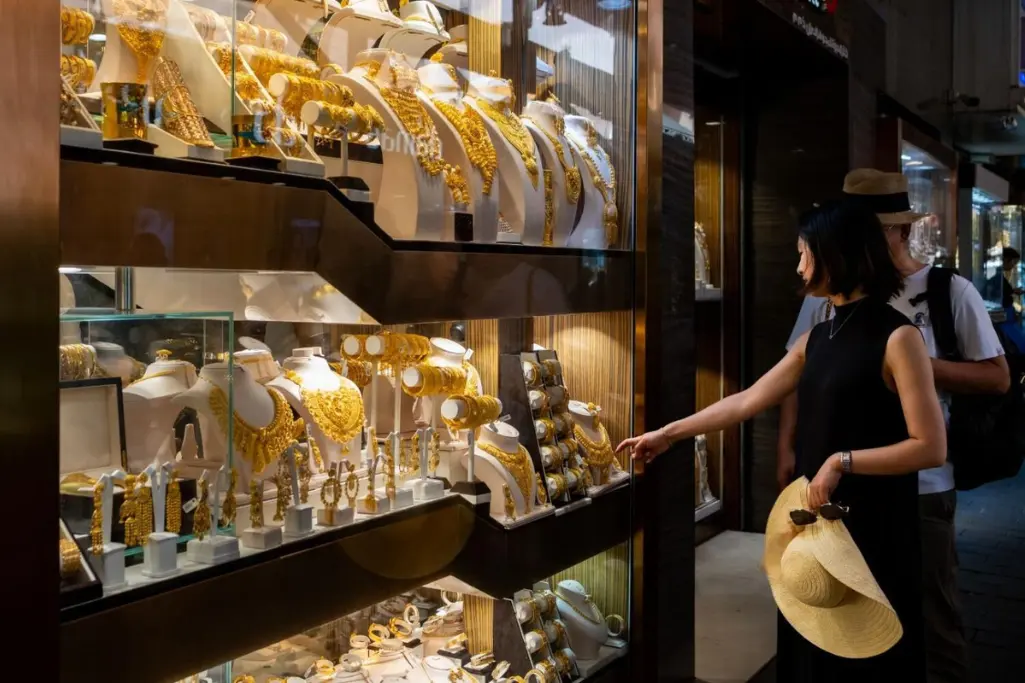
    The UAE is redefining its role in the global economy by becoming one of the world’s largest gold trade hubs. In 2023, the nation surpassed the United Kingdom to claim the second spot in global gold trade rankings, boasting over $129 billion in total trade, a remarkable 36% increase from the previous year. This milestone cements the UAE’s position as a critical link in the global precious metals market.


    Highlighting this remarkable achievement, the UAE’s robust infrastructure and strategic vision have also contributed to other sectors’ growth. The Dubai Real Estate Market Surges with $4.2 Billion in Transactions, showcasing the region’s diversified economic expansion and investor confidence.

    A Gold Standard in Global Trade

    The UAE’s meteoric rise in the gold trade market reflects a convergence of geopolitical and economic shifts. With central banks worldwide increasing their gold reserves to reduce reliance on the US dollar, the UAE has leveraged its strategic location and advanced logistics to position itself as a vital trading hub.


    A report by the DMCC titled “Trade, Technology, and Markets in Transition” sheds light on the burgeoning “Asian century” for gold. This includes the development of a new economic corridor among BRICS nations, with the UAE playing a pivotal role. The report also emphasizes how geopolitical events, such as sanctions on Russia, are prompting nations to pivot towards gold as a stable asset.

    Key Drivers of the UAE Gold Market Growth

    Several factors contribute to the UAE’s ascent as a global gold trade leader:

    • Strategic Location: Serving as a bridge between East and West, the UAE capitalizes on its geographical advantage to facilitate seamless trade.
    • Robust Regulation: The government’s efforts to enhance transparency and accountability in gold provenance have established the UAE as a trustworthy trading partner.
    • Technological Innovation: The integration of blockchain for gold tracking and AI-driven mining techniques is modernizing the industry.
    • Favorable Trade Policies: Agreements like the UAE-India Comprehensive Economic Partnership Agreement (CEPA) boost bilateral trade and liquidity.


    Historically, the UAE has shown resilience and adaptability in volatile markets. The diversification of its economy, evident in the thriving real estate and tourism sectors, has fortified its position against global economic challenges. The UAE’s success in surpassing the UK in gold trade parallels its achievements in becoming a global business and financial hub.


    The UAE’s gold market growth is not just a global success story; it also opens doors for entrepreneurs and businesses. Obtaining a commercial trade license in Dubai offers access to a world-class trading ecosystem. Investors can capitalize on the nation’s transparent policies, advanced infrastructure, and growing demand for precious metals.


    The UAE’s rise as a global gold trade hub signifies a turning point in the global economic landscape. By surpassing the UK and achieving unprecedented growth, the nation has solidified its role as a leader in the precious metals market. With its forward-looking policies, advanced technology, and strategic partnerships, the UAE is not just bridging gaps in trade but setting new standards for global commerce.


  • Why UAE Businesses Must Not Waste Any Time in Updating Tax Compliance

    Why UAE Businesses Must Not Waste Any Time in Updating Tax Compliance

    The UAE’s evolving tax landscape is prompting businesses to take swift action in updating their tax compliance strategies. With new regulations and ongoing shifts in tax policies, particularly in corporate and VAT requirements, UAE-based companies face the challenge of staying aligned to avoid penalties and maintain financial stability. Accounting services in Dubai have also reported a sharp increase in consultations as businesses seek support in adapting to these changes swiftly and effectively.

    The Growing Importance of Tax Compliance in the UAE

    As businesses in the UAE navigate these changes, tax compliance is more critical than ever, especially with the UAE’s emphasis on maintaining a transparent and regulated economy. Recent industry data highlights that the government’s initiatives to bolster economic transparency are directly affecting sectors across the board, from banking and retail to technology and consulting.


    Industry leaders emphasize that updating tax compliance is not merely about adhering to regulations. “It’s a strategic necessity for businesses to remain viable, competitive, and resilient,” remarks Ali Mustafa, a tax consultant based in Dubai.


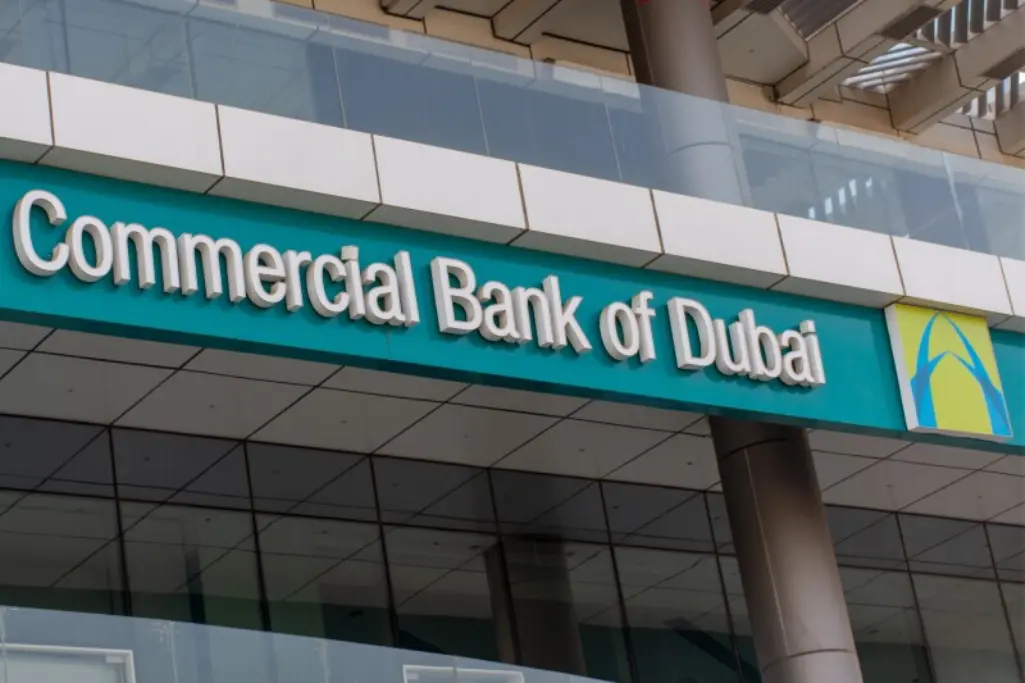
    The recent economic indicators also underscore the rising momentum within the banking sector, with notable institutions reporting substantial growth. Notably, Commercial Bank of Dubai Reports 15% Rise in Nine-Month Net Profit, reflecting how timely adjustments to financial strategies can yield significant results. Companies lagging in tax compliance risk losing financial support from banks, as compliance forms a critical factor in securing business loans and other financial services.

    Expert Insights on Tax Update Strategies for UAE Businesses

    Tax experts recommend that businesses address the following key areas to ensure smooth tax compliance and efficient financial management:


    • Corporate Tax Adjustments: Recent updates to corporate tax regulations require businesses to carefully assess profit statements and tax declarations. Tax compliance experts recommend consulting with accounting services to ensure accuracy.
    • VAT Revisions: With frequent changes in VAT policies, businesses are encouraged to align their invoicing, expense reports, and tax filing processes to reflect the latest guidelines.
    • Streamlined Bank Account Procedures: Accurate and up-to-date tax records can simplify bank account opening in Dubai, ensuring quicker approvals and smoother financial operations.
    • Digital Compliance Solutions: Implementing tax management software and digital accounting services helps businesses maintain organized records and access real-time updates on regulatory requirements.


    Sophie Larson, an accounting advisor specializing in UAE tax laws, shares her insights: “With efficient tax updates, businesses not only prevent compliance-related risks, but also build credibility, which is critical when approaching banks or investors for funding.”


    Why Timely Tax Updates Are Crucial for Financial Health and Growth

    UAE businesses that prioritize timely tax updates are likely to experience significant advantages, such as:


    1. Enhanced Financial Transparency: Proper tax updates ensure that companies reflect true financial health, which is especially vital for banks and investors assessing potential partnerships.
    2. Reduced Penalties and Legal Risks: Avoiding delays in tax compliance minimizes risks of facing penalties or fines, which can impact cash flow and reputation.
    3. Better Business Stability: Businesses that meet compliance standards can more easily open or expand bank accounts, enhancing overall financial stability.


    Practical Tips for Businesses to Stay Compliant

    To stay proactive with tax compliance, businesses in the UAE can follow these practical tips:


    • Engage with Local Accounting Services: Partnering with experienced accounting firms can help businesses navigate the UAE’s tax laws, reduce errors, and optimize compliance strategies.
    • Schedule Regular Tax Reviews: Implement quarterly or bi-annual tax assessments to keep track of the latest regulations and ensure records are always up-to-date.
    • Use Compliance-Enhancing Technology: Leveraging tools and software designed for VAT, corporate tax, and expense tracking can streamline operations and reduce manual errors.


    Ready to Future-Proof Your Business?

    With tax regulations constantly evolving, UAE businesses must act quickly to stay compliant and capitalize on the benefits of timely tax updates. Don’t miss out on opportunities to strengthen financial stability—ensure your tax compliance is up-to-date today. Are you prepared to make the necessary updates?


    Need guidance? Connect with our accounting experts to ensure your business is on the right track.

  • Commercial Bank of Dubai Reports 15% Rise in Nine-Month Net Profit

    Commercial Bank of Dubai Reports 15% Rise in Nine-Month Net Profit

    The Commercial Bank of Dubai (CBD) announced a net profit of AED 2.23 billion for the first nine months of 2024, marking a 15% increase compared to the same period in 2023. This growth reflects robust performance across various segments, with a significant rise in net interest income.


    The notable profit growth was driven by increased lending, complemented by higher non-funded income and lower risk costs. Despite a rise in corporate tax charges and expenses, the bank’s strategic focus on loan growth and effective risk management led to a strong financial performance.


    According to a statement by CBD, “High global market interest rates during the first nine months of 2024 contributed to the solid net interest income outcome.” The bank also highlighted the positive outlook for the remainder of the year, bolstered by the UAE’s stable economic environment.


    The performance of CBD mirrors broader trends in the UAE banking sector, where increased business activity, population growth, and economic incentives have created a constructive environment. Experts note that strategic investments in non-oil sectors and public sector initiatives have played a crucial role in fostering business confidence and financial stability.


    In recent years, the UAE banking sector has consistently posted strong results, aided by a proactive approach to economic diversification. “The strategic positioning of the public sector, along with ongoing investments, is underpinning continuous business performance across the region,” said a leading financial analyst. This sentiment aligns with forecasts that predict sustained growth, especially in non-oil industries.


    For businesses looking to capitalize on the UAE’s stable economic climate, accessing reliable financial solutions is key. Companies should consider banking partners that offer strategic support, such as tailored loan options and flexible financial products, to navigate evolving market conditions effectively.

  • Dubai to Boost 100,000 Startups with $100M Ignyte Digital Platform Initiative

    Dubai to Boost 100,000 Startups with $100M Ignyte Digital Platform Initiative

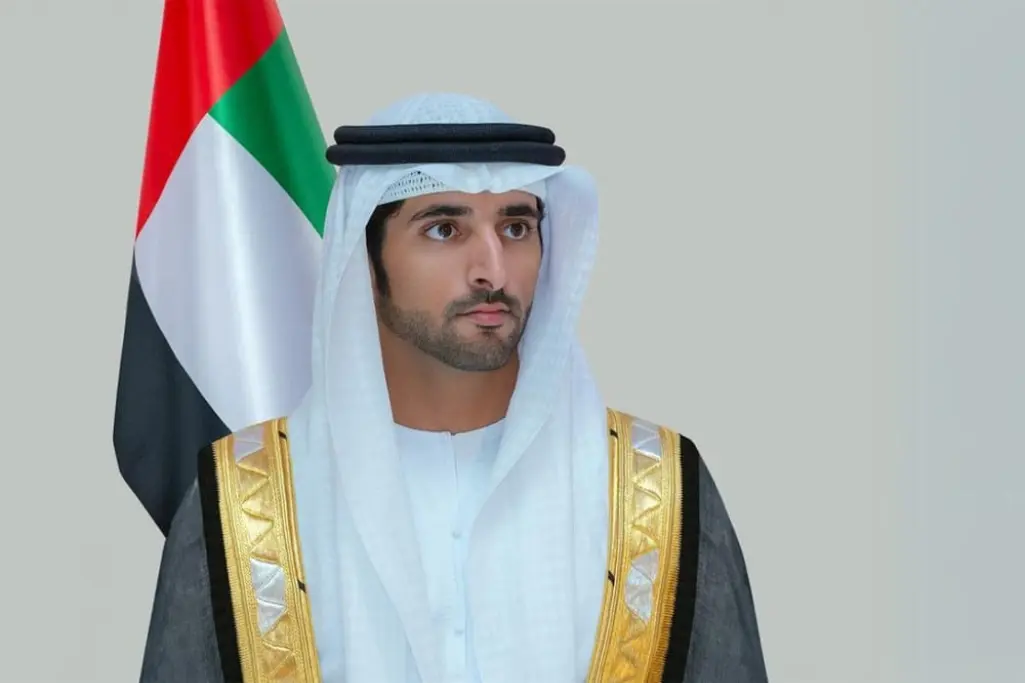
    Dubai has unveiled the Ignyte digital platform, a groundbreaking initiative aimed at propelling 100,000 startups and entrepreneurs with $100 million in perks. Spearheaded by Sheikh Hamdan bin Mohammed bin Rashid Al Maktoum, Crown Prince of Dubai, this platform is set to reinforce Dubai’s position as a global hub for entrepreneurship and innovation.


    The Ignyte digital platform, curated by the Dubai International Financial Centre (DIFC), is a key component of Dubai’s Digital Economy Strategy. By connecting startups with a global network of investors, mentors, and corporate partners, it offers a comprehensive ecosystem for growth. The platform is expected to attract over 5,000 investors, venture capitalists, and mentors, significantly boosting Dubai’s startup funding landscape.


    This $100M initiative aligns with Sheikh Hamdan’s broader vision of making Dubai a top destination for entrepreneurs. “Ignyte represents a transformative step in the digital economy, providing startups with the tools and connections they need to grow,” commented Essa Kazim, Governor of DIFC.


    This isn’t the first time Dubai has made headlines for supporting startups. In 2022, Dubai was ranked fifth among the top emerging ecosystems globally in early-stage funding, a testament to its strong investor activity and funding infrastructure. Dubai’s well-established support system has helped foster a thriving entrepreneurial environment, particularly in sectors such as fintech and e-commerce.


    Experts believe that the Ignyte digital platform could further cement Dubai’s global standing in the startup ecosystem. By leveraging Dubai’s growing digital economy and investor base, startups can expect accelerated growth and global expansion.

  • UAE and Azerbaijan Strengthen Financial Cooperation Amid Expanding Bilateral Ties

    UAE and Azerbaijan Strengthen Financial Cooperation Amid Expanding Bilateral Ties

    The UAE and Azerbaijan have reaffirmed their commitment to deepening financial relations, as high-ranking officials from both nations met recently in Dubai.


    UAE Minister of State for Financial Affairs Mohamed Hadi Al Hussaini and Azerbaijan’s Minister of Finance Samir Sharifov discussed expanding bilateral cooperation in various sectors, particularly focusing on economic development and financial innovation. This meeting marks another step toward enhancing the UAE-Azerbaijan financial relations, paving the way for greater economic collaboration.


    During the meeting, the ministers reviewed the progress of several agreements, including a memorandum of understanding (MoU) on financial cooperation signed in January 2024. The MoU has led to increased collaboration in key areas such as public budget management, financial IT applications, and public debt management. The UAE and Azerbaijan also share a long-standing bilateral trade agreement framework, which includes a double taxation avoidance agreement and an investment protection agreement signed in 2006.


    These agreements have solidified the foundation for economic cooperation between the two countries, enhancing trade and investment flows in recent years. The ministers also explored new avenues for collaboration, particularly in climate finance, a sector gaining prominence with Azerbaijan’s role as the host of COP29.


    Economic experts have praised the growing economic cooperation UAE shares with Azerbaijan, noting that the financial sector plays a critical role in fostering deeper ties. Industry insiders believe that further strengthening these relations will bring mutual benefits, particularly in technology-driven finance and sustainable development projects.


    “Both countries are well-positioned to leverage each other’s strengths in the financial industry. We foresee a robust future for their economic partnership, especially in areas like fintech and climate-focused investments,” said a leading financial analyst based in Dubai.


    As financial cooperation between the UAE and Azerbaijan continues to flourish, businesses from both nations should explore new opportunities to engage in cross-border investments and collaborations. With strategic agreements in place, companies looking to expand in these markets can benefit from government support and growing trade relations.

  • Dubai Distributes Over Dh30 Million to Minors from Investments’ Profits

    Dubai Distributes Over Dh30 Million to Minors from Investments’ Profits

    In a significant financial boost, Dubai has distributed Dh30.4 million in profits to 2,263 minors and those under guardianship, marking a 13% increase from the previous fiscal year.
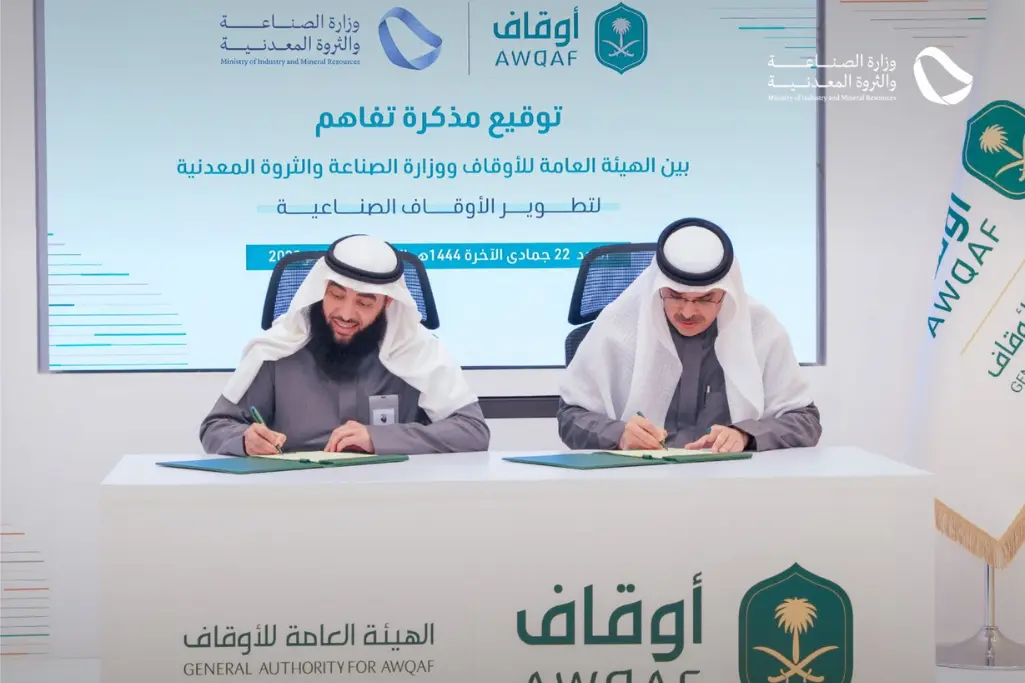
    The distribution, managed by the Awqaf and Minors Funds Management Foundation (AMAF), highlights the growing success of Dubai’s commitment to safeguarding and investing the assets of minors. This financial milestone reflects Dubai’s ongoing efforts to ensure financial security for future generations.


    Compared to the Dh26.7 million allocated in 2023, the increase in profits showcases the Foundation’s effective management strategy, which includes diverse investments in real estate, commercial ventures, and public companies like Dubai Electricity and Water Authority (DEWA) and Salik. This responsible investment approach, aligned with Sharia principles, ensures the capital is protected while delivering consistent returns to UAE minor beneficiaries.


    Ali Mohammed Al Mutawa, Secretary-General of AMAF, reaffirmed the organization’s dedication to Sheikh Mohammed bin Rashid Al Maktoum’s directives. He emphasized that the Foundation’s prudent investment strategies have led to significant growth in minors’ funds without exposing them to undue risk. The financial results by the end of 2023 stood at Dh1.015 billion, encompassing bank deposits, real estate portfolios, and other lucrative investments.


    The AMAF’s vision extends beyond merely preserving minors’ funds. Al Mutawa shared the Foundation’s plans to further diversify its investment portfolio and introduce new initiatives to boost financial returns for minor beneficiaries. These efforts contribute to Dubai’s larger goal of enhancing social welfare and ensuring optimal care for its youngest citizens.

  • Air Travel Industry in Region Weathers Geopolitical Storms: AACO Secretary-General

    Air Travel Industry in Region Weathers Geopolitical Storms: AACO Secretary-General

    The Middle East aviation sector continues to demonstrate remarkable resilience in the face of ongoing geopolitical challenges. This resilience was highlighted during the recent Aviation Future Week in Dubai by Abdul Wahab Teffaha, Secretary-General of the Arab Air Carriers Organisation (AACO), who emphasized the sector’s critical role in connecting economies, creating jobs, and fostering growth despite the current instability.


    Historically, the aviation industry in the Middle East has faced numerous crises, from conflicts to economic sanctions. However, as Teffaha pointed out, the current geopolitical issues, notably the ongoing conflict between certain regions and their neighboring areas, are largely localized. “The tension, which started a year ago, is limited to certain areas, and we hope it remains contained. Our mission is to build bridges, not break them,” he stated.


    Despite the adverse effects of such conflicts, the AACO continues to support Arab airlines by advocating for collaboration and strategic growth. Airline executives, such as Royal Jordanian’s CEO Samer Majali, have echoed the sentiment, recognizing the toll that regional violence takes on both the aviation and tourism sectors. Majali has previously commented on how tourism dips in conflict zones, but the broader Middle East still attracts visitors.


    The Middle East aviation sector’s ability to recover from past geopolitical disruptions serves as a testament to its resilience. From the Gulf War to the Arab Spring, airlines in the region have adapted, often by diversifying routes or boosting safety measures. Industry experts suggest that airlines operating in the Middle East are well-versed in managing crises, continuously enhancing their operational flexibility.


    As AACO continues to provide strategic guidance to Arab airlines, industry insiders remain cautiously optimistic. Teffaha highlighted that the upcoming AACO annual conference in Jordan signifies the organization’s commitment to moving forward, even amidst regional instability. He also noted that other parts of the region, such as Egypt’s Northern areas, remain largely unaffected and open for tourism.

  • UAE Sees Surge in Private Equity Deals, with 70 Secured in 2024

    UAE Sees Surge in Private Equity Deals, with 70 Secured in 2024

    The UAE private equity market is making headlines this year, recording an impressive 70 investment deals as of Q3 2024. This marks the country as the second-largest player in the Middle East’s private equity landscape, with the sector seeing significant growth across industries like technology, real estate, and industrials. The surge in private equity investments signals the UAE’s evolving economic growth, attracting capital that fuels various non-oil sectors.


    According to recent data from S&P Global Market Intelligence, private equity and venture capital investments in the Middle East have grown considerably in 2024, focusing on sectors beyond traditional oil and gas. The UAE, along with Saudi Arabia and other regional leaders, leads the charge, with one country having the highest number of deals (150) and the UAE closely following with 70 transactions.


    In comparison, 2023 saw a much larger volume of capital attracted to the region, with over $11.6 billion in deals. However, industry experts caution that the 2024 figures may not reach the same heights due to ongoing geopolitical tensions in the region. Despite these challenges, the UAE continues to attract significant investments, particularly in technology, media, telecommunications, and real estate.


    “The UAE’s private equity market is seeing strong momentum, particularly in sectors that offer long-term growth potential,” says an industry insider. “Investors are increasingly looking at opportunities outside the traditional oil sector, focusing on technology and real estate.”


    For investors eyeing the UAE private equity market, the trend towards diversification offers promising opportunities. Sectors like generative AI, industrials, and real estate are showing robust growth, making them attractive to both local and international investors.


    To capitalize on this momentum, staying informed about the latest investment deals in 2024 and industry insights is crucial. Whether you’re an investor looking for opportunities or a business seeking capital, understanding the UAE’s economic landscape can provide a competitive edge.

  • UAE Cabinet Approves Record Dh71.5 Billion Federal Budget for 2025

    UAE Cabinet Approves Record Dh71.5 Billion Federal Budget for 2025

    In a historic move, the UAE Cabinet has approved the federal budget for 2025, amounting to Dh71.5 billion, marking the largest budget in the nation’s history. This approval highlights the UAE’s continued focus on fostering economic stability and sustainable growth, reflecting confidence in its resilient economy. The announcement came after a Cabinet meeting chaired by Sheikh Mohammed bin Rashid Al Maktoum, Vice-President and Prime Minister of the UAE and Ruler of Dubai.

    Key Highlights from the 2025 Federal Budget

    • Social Development and Pensions: The largest allocation, with 39% of the total budget (Dh27.859 billion), will be directed toward enhancing social programs. This includes:
      • Dh10.914 billion for public and higher education programs
      • Dh5.745 billion for healthcare and community prevention services
      • Dh5.709 billion for pensions
    • Government Affairs: 35.7% of the budget will be allocated to government affairs, reinforcing the UAE’s focus on maintaining robust governance structures.
    • Economic Investments: Dh2.864 billion (4%) is set aside for financial investments, while Dh2.581 billion (3.6%) will go toward infrastructure and economic development projects.


    The 2025 federal budget showcases a significant increase compared to previous years. The 2024 budget stood at Dh64.06 billion, demonstrating a steady rise in government spending aimed at bolstering the country’s social infrastructure and economic growth.


    In 2022, the UAE allocated a total federal budget of Dh252.3 billion to cover 2023-2026, underscoring its long-term vision for sustainable development.


    Experts in the region emphasize that the growing government spending aligns with the UAE’s commitment to maintaining its position as a global economic hub.


    Increased allocations for social services and infrastructure reflect the government’s strategic focus on improving quality of life while driving UAE economic growth. According to industry leaders, this budget signals a positive outlook for investors and businesses, reinforcing confidence in the region’s economic trajectory.

  • UAE President Announces Strategic Leadership Appointment

    UAE President Announces Strategic Leadership Appointment

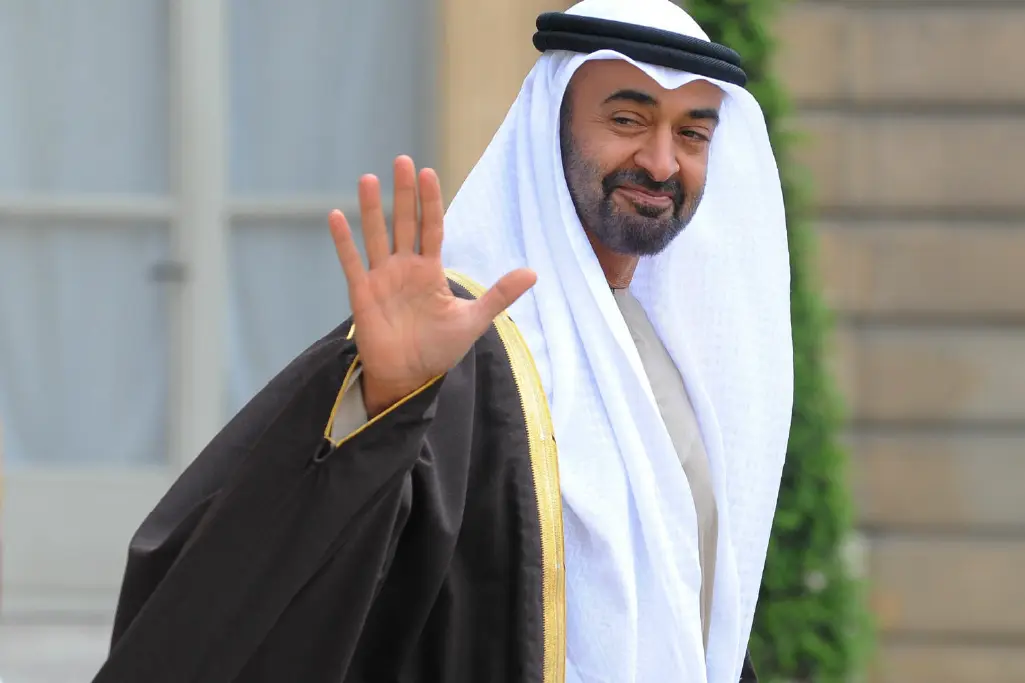
    In a significant government reshuffle, His Highness Sheikh Mohamed Bin Zayed Al Nahyan, President of the UAE, has made a key appointment, signaling continued efforts to bolster the nation’s leadership. Aysha Ahmed Yousef has been named Undersecretary of the Ministry of Community Development. This decision highlights the government’s focus on nurturing talent and advancing community welfare, solidifying its leadership stance.


    This recent appointment adds to a series of strategic changes within the UAE government, aimed at enhancing operational efficiency across various sectors. Aysha Yousef, with her extensive background in youth agenda management and organizational excellence, brings a wealth of experience to her new role.


    Previously, she served as a consultant in the Ministry of Community Development, contributing to important government projects since April 2023. Her diverse qualifications, including a Bachelor’s in Computer Systems Engineering and certifications in government policy development, make her a well-suited candidate to drive forward the UAE’s community development initiatives.


    Analysts point to the UAE’s history of dynamic leadership appointments as part of its broader vision to align government functions with long-term national goals.


    According to experts, appointments like these reflect the country’s strategy to empower experienced professionals who can contribute significantly to the nation’s socioeconomic development.


    By entrusting key leadership roles to individuals with proven track records, the UAE government continues to demonstrate its commitment to enhancing both governance and community engagement.