Category: Financial Insights

  • US-Iran ceasefire deal gives Trump a way out of war for 2-weeks

    US-Iran ceasefire deal gives Trump a way out of war for 2-weeks

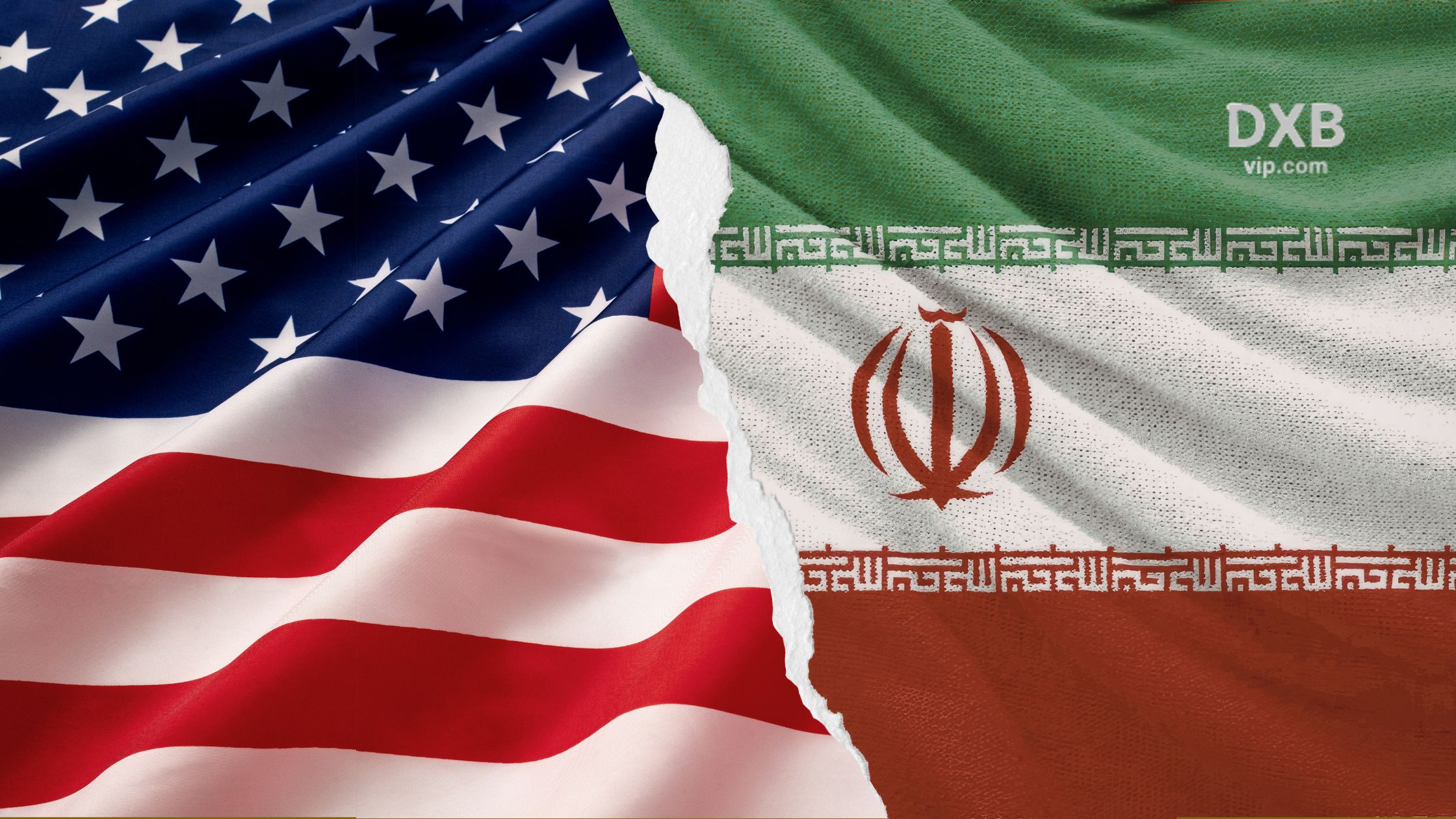
    Both the USA and Iran have signed a very important diplomatic deal. They have agreed upon a ceasefire of two weeks (till April 8th, 2026), in order to prevent further escalation of war between themselves. The ceasefire will pave the way for peace talks, led by Pakistan, according to the Tehran 10-point plan.


    US Iran Ceasefire

    Tehran’s 10 Point Proposal

    These are the main pillars of the peace proposal submitted by the Supreme National Security Council of Iran as a workable basis for the future talks in Islamabad:

    1. Permanent Cessation of Hostilities: Full and indefinite stop of any military operations against Iran;
    2. Regional De-Escalation: Immediate end of any conflict in Iraq, Lebanon, and Yemen;
    3. No Attacks on Iranian Allies: A demand to the Israeli government to stop any attacks on Hezbollah and other Iranian allied organizations;
    4. Security Guarantees: Iran’s promise not to be attacked unprovoked in the future with binding guarantees.
    5. Total Sanctions Lifting: Commitment from the US to completely eliminate economic sanctions;
    6. Funds Unfreezing: All assets frozen in the United States must be immediately released.
    7. Reopening Strait of Hormuz: Agreement to restore the traffic through the waterway, but under the supervision of Iran’s military forces;
    8. Transit Fees for Reconstruction: A proposed $2 million fee per ship transiting the Strait, to be shared with Oman and used for war reconstruction.
    9. Nuclear Commitment: A renewed pledge that Iran will not seek or possess nuclear weapons.
    10. Safe Passage Protocols: Establishing new international maritime protocols for secure navigation in the Persian Gulf.


    News Analysis: The Best Outcome Scenarios

    While the ceasefire is “double-sided” and fragile, experts point to three potential “best outcomes” for the region:

    • The “Islamabad Accord”: If the Friday talks in Pakistan succeed, the two-week truce could be extended into a 45-day framework, allowing for a phased lifting of sanctions in exchange for verified maritime security.
    • Global Energy Stabilization: The immediate reopening of the Strait of Hormuz—the world’s most vital oil chokepoint—is expected to lower global fuel prices and stabilize international markets.
    • Humanitarian Relief: A cessation of strikes on Iranian infrastructure (which President Trump had threatened to target) prevents a large-scale humanitarian crisis and allows for the return of displaced citizens in Lebanon and Iraq.


    The Islamabad Summit: Friday’s High-Stakes Showdown

    The eyes of the world turn to Pakistan this Friday, April 10, 2026. Prime Minister Shehbaz Sharif will host high-level delegations in Islamabad for the first face-to-face negotiations since the conflict began.

    • The Power Players: The U.S. delegation will be led by Vice President JD Vance, while Iran is sending Mohammad Bagher Ghalibaf, the Speaker of Parliament and a key figure in Tehran’s wartime leadership.
    • The Mission: This summit isn’t just a formality; it’s a 15-day sprint to finalize the details of Tehran’s 10-point plan.
    • The Atmosphere: Despite the ceasefire, officials describe the mood as one of “complete distrust.” This Friday is the ultimate “stress test” for the truce—if the two sides can agree on maritime protocols and sanctions relief in Islamabad, the two-week pause could be extended indefinitely.


  • Gold Prices Drop in Dubai — Is Now the Right Time to Buy?

    Gold Prices Drop in Dubai — Is Now the Right Time to Buy?

    The Gold Prices Drop in Dubai have been declining for the present trading week, marking a further decline in the international market for precious metals. The latest rate of gold 24 karats was AED 17,514.53 per ounce, having a decrease of 2.27% from the previous prices before the present trading week till April 3, 2026.


    After reaching its peak in the beginning months of 2026, there has been a mixed reaction towards gold, and this current fall may act as a warning signal for gold buyers in the UAE.


    In analyzing the costs during the last month, it can be noted that the cost of 24 karat gold per gram stands at AED 559.75 in Dubai compared to its earlier price of AED 639.75 per gram on March 3. The decline is worth AED 80 per gram, amounting to 12.5%.


    Today’s Dubai Gold Rates at a Glance

    The rate of Gold in Dubai, up to April 4, 2026, was as follows: gold 24K (99.9%) at AED 563.50 per gram, gold 22K (91.6%) at AED 521.75 per gram, and gold 18K (75%) at AED 428.75 per gram. The gold price has decreased further on account of ongoing international market pressures, as of today, April 6, and the present gold price is below AED 17,600 per ounce.


    In relation to recent events, the highest price for 24K gold in the UAE within the last 60 days was on March 2, 2026, when it was priced at AED 650 per gram, and the lowest within the last 60 days was on March 23, 2026, at AED 511.75 per gram. This means today’s gold price has almost reached its lowest point within the last two months.


    What is Driving the Gold Prices Drop in Dubai?

    Dubai’s fall in gold prices is not isolated. It reflects a radical shift in the international precious metals market that gained momentum during the latter half of March and early April 2026. Various elements have been at work.


    The Federal Reserve’s Hawkish Stance

    The main reason why we see the recent correction is the US Federal Reserve Bank. The gold price is sliding because of the recent Fed meeting that produced a rather hawkish hold with interest rates remaining steady at 3.5%–3.75%, and the Fed reducing its dot plot showing just one rate cut in 2026 versus two previously expected.


    February’s surprising increase in producer prices index (PPI) by +0.7% made Treasury yields rise to 4.2% and the dollar to 99.9 levels, which act as headwinds against non-interest-bearing precious metals.


    A rising dollar makes gold more expensive when denominated in other currencies due to being priced in USD on a global scale. Thus, investors lose interest in gold because bond yields are more favourable under such circumstances. Rising Treasury yields have always acted as one of the most predictable gold price killers.


    A Profit-taking Flush After Historic Highs

    At first, gold surged to reach a level of $5,423 from its level of $5,296 due to news of Strait of Hormuz, but this trend was reversed, and it fell by more than 6% from its intraday level. What causes this fall in the price of gold is that the value of the US Dollar rises whenever there is any concern regarding geopolitics.


    In such situations, margin calls are made to leveraged traders, and they have to guard themselves and liquidate their assets. They liquidate their gold holdings despite not believing that gold is an inappropriate investment option.


    On-going Conflict and Regional Uncertainty

    Crude oil prices were on the rise; the benchmark Brent crude was up over 6%, reflecting worries over the possibility of an attack on Iran’s oil installations and the Strait of Hormuz.

    Higher oil prices are adding pressure on inflation, raising doubts about US interest rate cuts in the coming year.

    Metals followed gold lower; silver declined the most, losing 5.4% to reach $71.07 after falling by over 7% during the day.

    Platinum was down by 3.1% to close at $1,902.65, whereas palladium gave up 1.8% to end the day at $1,446.53.

    Here lies the paradox: the ongoing conflict that is disrupting economic activity in Dubai and the Gulf region is driving up oil prices and bringing down gold prices.

    During a time of heightened geopolitical tension, the safe-haven appeal of the dollar grows stronger, and the dollar’s strength poses the greatest threat to gold prices.


    Is the Bull Market Over?

    Nonetheless, despite the violent adjustment, the majority of the main institutional analysts continue to insist on the validity of the bullish longer-term gold trend.

    The current gold price stands at approximately $4,700 per ounce as of April 3, 2026, after witnessing one of the largest declines in gold prices in one month.

    The 2026 target price of gold by J.P. Morgan is $6,300, while Deutsche Bank estimates that gold will reach $6,000 in 2026. Both forecasts were made before the rise in tensions between Iran and its neighbours.

    The increase in regional tension only reinforced the fundamental rationale for investing in gold in the long run. Thus, a gold price of $5,000 serves as a crucial psychological level. If gold can maintain an upward trend above the $5,000 mark, then the current correction is part of the overall bull market trend.


    What does this mean for Buyers in Dubai?

    With regards to tourists looking to buy jewelery and investors wanting to purchase gold for investment purposes in Dubai, the current pullback represents an entirely different type of opportunity based on what you hope to achieve.

    In terms of those purchasing jewellery, the current pullback away from the recent highs made in March will result in being able to make the same purchase but at a much reduced price per gram.

    The reason why Dubai has managed to build a reputation as a place where people go to purchase their gold is that a combination of:

    • Low making charges
    • Low taxation
    • a highly competitive market
    • And VAT refunds to tourists make the overall cost per gram of jewelery in Dubai very competitive compared to other markets.


    Key Events to Get Insight This Week

    Gold will remain volatile until key economic reports are released. This week promises to be volatile for gold, thanks to the FOMC Minutes, US GDP for Q4, the US Consumer Price Index, and other macroeconomic numbers.

    The price of gold stands at around $4,676, while on April 6, it is likely to trade between $4,576 and $4,760 in a very wide range.

    A positive surprise on US inflation figures and/or hawkish minutes by the FOMC may strengthen the dollar and put more selling pressure on gold. On the other hand, weak growth figures from the US and dovish statements by the Fed may be enough to support gold and boost its performance.


    The Bottom Line

    Dubai’s gold market is experiencing difficulties due to external forces, including the Federal Reserve Bank’s tough monetary policy, the increasing value of the dollar, rising oil prices, and the regional conflicts that persistently occur.

    According to experts, one should be cautious while investing in the current scenario since the most important factors leading to the prevailing situation are reduced expectations regarding a US interest rate cut and geopolitical issues.

    It is worth noting that for the local people and the thousands of tourists who come every year to the Gold Souk to buy gold jewelry, the advice is straightforward – prices are currently low when compared to record highs, and this week is the easiest time for shopping when compared to previous weeks at the beginning of last year.

    The monitoring of dollar exchange rates, US interest rates cut, and oil trends would not be as straightforward as that of gold prices at your favorite jeweler’s shop.
  • UAE Economy Poised to Outshine Middle East

    UAE Economy Poised to Outshine Middle East

    The UAE is set to become the Middle East’s economic star performer, thanks to its strategic economic policies, robust real estate market, and thriving tourism sector, according to a leading Swiss investment bank. Lombard Odier’s 2025 economic outlook highlights the nation’s resilience and growth potential, supported by favorable oil production agreements with OPEC and its healthy twin surpluses.


    The UAE’s ability to maintain its position as a global leader in investment and economic development continues to be a focal point for international experts. Its consistent ranking in global indices reflects the country’s achievements in fostering a business-friendly environment and attracting global talent. For a deeper dive into these accomplishments, check out this analysis of the UAE’s global rankings and economic achievements.

    Driving Factors Behind UAE’s Economic Resilience

    Real Estate and Tourism – Key Contributors

    Lombard Odier highlights that the UAE’s real estate market is expected to thrive, fueled by an influx of international talent, increasing foreign investments, and a booming tourism sector. With a favorable interest rate environment globally, the sector remains a critical pillar for sustained growth.


    Tourism, another cornerstone of the UAE’s economic strategy, continues to flourish due to world-class attractions, events like Expo 2020, and cultural initiatives that captivate a global audience.

    Strong Economic Fundamentals

    The UAE’s twin surpluses — budget and current account — act as a buffer against external shocks. These surpluses have allowed the country to maintain economic stability amid global uncertainties, from fluctuating oil prices to geopolitical tensions.


    Dr. Nannette Hechler-Fayd’herbe, CIO EMEA at Lombard Odier, notes:

    “The UAE’s solid economic framework ensures it can navigate temporary shocks, keeping it on track to achieve long-term growth.”

    Potential Risks and Opportunities

    While the UAE’s economic outlook is largely positive, geopolitical risks remain. Tensions between Israel and Iran, as well as uncertainties around U.S. policies in the region, could impact growth. However, experts believe that any de-escalation of conflicts under the influence of new international policies could serve as a tailwind for the UAE and the broader GCC region.


    Opportunities also lie in the UAE’s commitment to sustainability and diversification. Initiatives like the clean energy program and smart city developments are expected to bolster the country’s position as a hub for innovation and investment.

    Practical Takeaway for Businesses and Investors

    As the UAE positions itself as the economic powerhouse of the Middle East, now is the time for businesses and investors to seize opportunities in the region. Whether it’s tapping into the growing real estate market or leveraging the country’s thriving tourism sector, the UAE offers unparalleled potential for growth.


    If you’re looking to expand your business in Dubai, DXB-VIP can assist you with seamless company setup services tailored to your needs. With expertise in navigating the UAE’s business environment, DXB-VIP ensures your success in this dynamic market. 


    The UAE’s trajectory as a Middle East economic leader underscores its strategic planning and resilience. What opportunities do you see for businesses in the UAE’s evolving economy? Share your thoughts in the comments below.


    Author Bio:

    Khalid Abraham is a seasoned journalist with over 8 years of experience covering business and economic developments in the Middle East.

  • UAE Banks Fund $178M London Student Housing Development

    UAE Banks Fund $178M London Student Housing Development

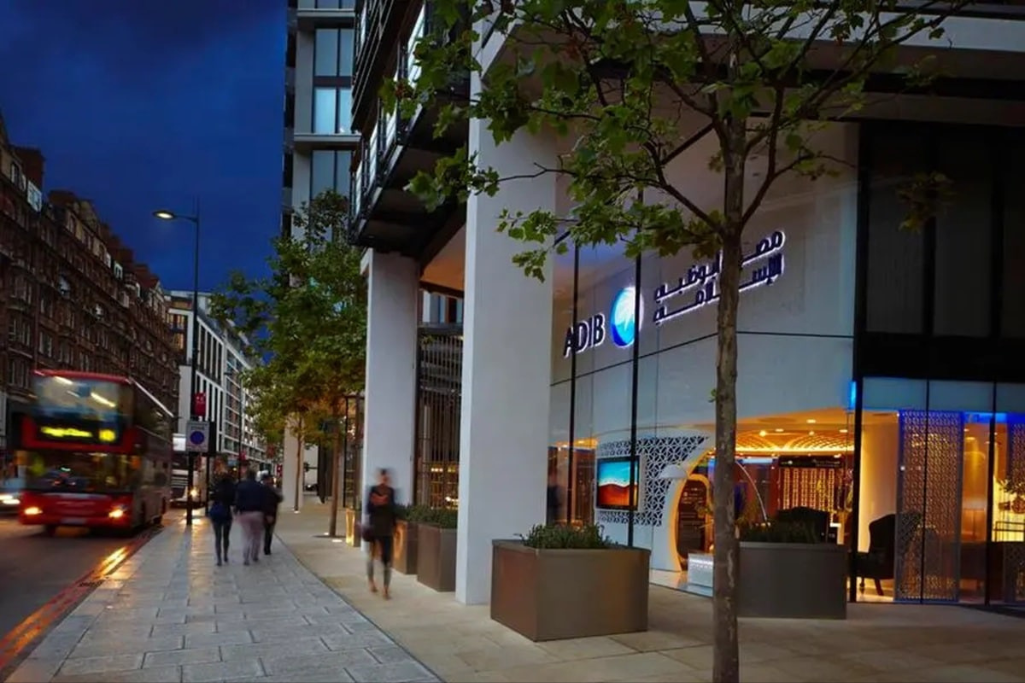
    Two of the UAE’s leading financial institutions, Emirates NBD and Abu Dhabi Islamic Bank (ADIB), have teamed up to finance a groundbreaking $178 million (£140 million) Purpose-Built Student Accommodation (PBSA) project in London. This strategic investment underscores the UAE’s growing influence in the international real estate sector, particularly in markets known for high student demand.


    The funded property, Paddington Citi View, is a premium student housing development located just 100 meters from London’s Paddington Station. It will feature 353 modern bedrooms equipped with world-class amenities, catering to the needs of students from nearby universities.

    The UAE’s Expanding Real Estate Footprint

    This venture demonstrates the UAE’s interest in diversifying its investments globally. UAE banks have previously shown similar interest in overseas projects, particularly in areas with stable income potential and strategic importance. A recent report on Dubai’s ultra-luxury real estate boom in 2024 highlights how UAE investors are increasingly prioritizing quality and long-term value in their portfolios. Learn more about this trend in Dubai’s Ultra-Luxury Real Estate Boom 2024.

    Key Details of the Development

    1. Project Name: Paddington Citi View
    2. Location: 100 meters from Paddington Station, London
    3. Bedrooms: 353
    4. Features: Modern design, top-tier amenities, and proximity to academic institutions.


    Originally acquired by Union Property in 2022 from the University of London, the site has been reimagined to meet the growing demand for high-quality student housing.

    Insights from Industry Experts

    Experts view this investment as a significant move to secure a foothold in the UK’s thriving PBSA market. The strategic location near major academic hubs and excellent transport links ensures high occupancy rates and consistent rental income.


    Emirates NBD and ADIB have adopted a 50/50 financing model to deliver both conventional and Islamic banking solutions. This collaborative approach reflects their commitment to sustainability and ESG (Environmental, Social, Governance) principles.


    • Emirates NBD: Focused on structured financing for high-quality assets with steady income potential.
    • ADIB: Prioritizing investments in sustainable and in-demand assets.

    Why London is a Strategic Choice

    London remains a top destination for students globally, with its prestigious universities and vibrant culture. The demand for PBSA has surged in recent years as students seek comfortable and well-connected housing options. The Paddington Citi View development not only caters to this demand but also benefits from its strategic proximity to transport hubs and key academic institutions. 


    Looking to explore investment opportunities in Dubai or beyond? Our business setup experts at DXB-VIP can guide you in navigating the UAE’s dynamic real estate and investment landscape. Contact us today to learn how we can help you capitalize on the UAE’s expanding global footprint.


  • Dubai Real Estate Market Achieves $3.7 Billion in Weekly Transactions

    Dubai Real Estate Market Achieves $3.7 Billion in Weekly Transactions

    The Dubai real estate sector continues to thrive, recording AED13.58 billion ($3.7 billion) in transactions last week, according to data from the Dubai Land Department (DLD). This surge included 3,894 property sales, with a standout $16 million deal for a luxury apartment in Business Bay. These figures underscore Dubai’s growing appeal as a global investment hub, driven by its robust infrastructure and investor-friendly regulations.


    For a deeper dive into real estate trends and how younger generations are shaping the market, check out Dubai Real Estate: Gen Z Investor Trends.

    Weekly Transactions

    The latest numbers reflect a significant uptick in activity across Dubai’s property market, bolstered by high demand in sought-after locations like Business Bay and Palm Jumeirah. Luxury apartments and high-end villas continue to dominate transactions, as wealthy investors from around the globe view Dubai as a safe and lucrative option for real estate investments.


    • AED 9.32 billion in sales
    • AED 1.91 billion in mortgages
    • AED 2.35 billion in grants


    Experts attribute this momentum to Dubai’s strategic positioning as a financial hub, offering tax-free benefits and simplified residency visa programs tied to property purchases.

    Insights from Past Trends

    This isn’t the first time Dubai has demonstrated such impressive figures. In Q3 of 2024, the market achieved record-breaking sales, largely fueled by international investors seeking refuge from economic instability in their home countries.


    According to Sarah Khan, a Dubai-based property analyst, “Dubai has consistently outperformed other global markets due to its transparency, infrastructure, and investor-centric policies. It is not just about the numbers; it’s about creating long-term confidence.”


    The addition of flexible payment plans and an increase in off-plan sales further boosted activity. Historically, Business Bay and Dubai Marina have been hotspots for premium real estate transactions, reinforcing their reputation as top investment destinations.

    What’s Driving the Surge?

    Industry experts highlight several factors contributing to Dubai’s real estate boom:


    1. Government Policies: Investor-friendly initiatives like the Golden Visa and ease of business regulations.
    2. International Appeal: A safe haven for high-net-worth individuals amid global uncertainties.
    3. Diverse Portfolio: Options ranging from affordable apartments to ultra-luxury penthouses.


    David Rogers, CEO of a UAE-based real estate consultancy, notes, “The scale and consistency of Dubai’s real estate market growth make it an unparalleled opportunity for both institutional and individual investors.”


    If you’re considering entering Dubai’s thriving property market, now is the time. Whether you’re an investor looking for premium assets in locations like Business Bay or a first-time buyer exploring flexible payment plans, Dubai offers opportunities tailored to diverse needs.


    Looking to streamline your entry into the market? Contact DXB-VIP for seamless business and visa solutions tailored to your needs.


    Author Bio:

    Written by Jane Doe, a seasoned real estate journalist with 8 years of experience covering global property markets and investment trends.

  • UAE, Saudi Arabia Set for Strong Credit Growth in 2025

    UAE, Saudi Arabia Set for Strong Credit Growth in 2025

    The banking sectors of the UAE and Saudi Arabia are forecasted to experience robust credit growth in 2025, driven by high crude oil prices and an accelerating non-oil economy, according to a Fitch Ratings report. The analysis projects a financing growth of approximately 12% for Saudi banks, nearly double the Gulf Cooperation Council (GCC) average, while UAE banks are poised to benefit from regional economic diversification and strong government-backed initiatives.


    The report reflects the optimism seen in other regional developments, such as the Singapore Fund’s Dh5 Billion pledge to Dubai’s AMIS Development, signaling an influx of investments supporting non-oil sectors.

    Economic Context: Vision 2030 and Beyond

    Saudi Arabia’s Vision 2030 initiative continues to be a cornerstone for its economic transformation, supporting mega-projects like NEOM and Red Sea developments. Fitch Ratings predicts that the operating environment for Saudi banks will remain favorable, with corporate financing accounting for 65-70% of new loans. Non-oil GDP is expected to grow at a strong 4.5% annually from 2024 to 2025, reflecting the Kingdom’s success in diversifying its economy.


    Similarly, the UAE’s financial sector is benefiting from ongoing investments in technology, infrastructure, and company formation in Dubai, positioning the country as a hub for global business.

    Regional Banking Strength and Risks

    Fitch’s analysis highlights solid profitability, liquidity, and capital buffers for banks across the Middle East. However, geopolitical tensions and potential oil price volatility could impact the creditworthiness of regional financial institutions.


    In the UAE, strong fiscal policies and government-backed initiatives have been key drivers of growth. Experts note that Dubai’s strategic focus on attracting foreign businesses—enhanced by flexible company formation processes and tax incentives—continues to boost investor confidence and credit activity.

    Practical Insights for Investors

    Given the positive outlook, businesses and entrepreneurs should explore opportunities in the Middle East’s expanding economic landscape. For those looking to establish operations in Dubai, the process of company formation in Dubai has never been more streamlined. With expert assistance, entrepreneurs can leverage the UAE’s business-friendly ecosystem to capitalize on this growth trend.


    If you’re considering establishing a business in Dubai or tapping into the Middle East’s growing financial markets, now is the time to act. Contact DXB-VIP experts to guide you through company formation in Dubai, ensuring a seamless entry into this dynamic region.


    Author Bio:

    Jane Doe is a senior financial journalist with 8 years of experience covering Middle East banking and economic developments.

  • Dubai Stocks Surge – Equity Benchmark on Track for 20% Growth in 2024

    Dubai Stocks Surge – Equity Benchmark on Track for 20% Growth in 2024

    Dubai’s equity benchmark is set to deliver another stellar year, with a projected 20% gain in 2024, following a remarkable 22% rally in 2023. Industry experts attribute this consistent growth to robust real estate performance, utility sector expansion, and strategic economic initiatives that are transforming the UAE into a global trading powerhouse.


    The UAE’s ambitious trade target of $817 billion, outlined in the UAE $817bn trade target boosts the economy, and global reputation, has bolstered the economy, further solidifying Dubai’s position as a global financial hub. This economic momentum has not only enhanced investor confidence but also positioned Dubai’s stock market as one of the most promising in the region.

    Real Estate and Utilities – Key Drivers of Growth

    Real Estate Stocks Shine

    The Dubai Financial Market (DFM) index has seen strong contributions from key players like Emaar Properties, Emaar Development, and Salik, collectively driving 52% of the 2024 year-to-date (YTD) gains. Emaar Development alone surged by an impressive 63% this year, making it a significant growth catalyst.


    This real estate boom reflects the continued demand for off-plan properties and a rising population—a trend further complemented by Dubai’s appeal as a prime location for company formation in Dubai.

    Utility Stocks Powering Ahead

    Utility companies like DEWA and Salik have also played pivotal roles. Salik’s 80% rally and DEWA’s steady customer base expansion showcase the growing influence of these sectors. Vijay Valecha, CIO at Century Financial, highlighted the double-digit revenue growth prospects for 2025 in the utility sector, attributing this to new residency initiatives and infrastructure demands.

    Insights from Industry Experts

    Valecha notes that for the DFM index to surpass its decade-high of 5,400 points, greater participation from banking heavyweights like Emirates NBD and DIB is crucial. Emirates NBD’s 10% index weight underscores its potential to stabilize and amplify broader market trends.


    The data also reveals that last month alone, the DFM index witnessed a 46.8% increase in trading volume, reaching 4.8 billion shares, further reinforcing investor optimism.

    Historical Context: Sustained Momentum

    Dubai’s equity benchmark has consistently outperformed regional peers, reflecting the city’s dynamic economic environment. The blend of strategic investments in infrastructure, trade, and innovative policies like the Golden Visa program have contributed to sustained market resilience and growth.

    Practical Insights for Investors

    As the Dubai stock market 2024 gains momentum, now is the ideal time for investors and entrepreneurs to capitalize on this upward trajectory. Opportunities abound whether entering the market or establishing a foothold in the region.


    If you’re considering starting a business in Dubai, partnering with trusted experts can ensure seamless company formation in Dubai. Explore avenues to integrate into this thriving economy and leverage Dubai’s growth story for long-term success.


    Discover how you can align your investments with Dubai’s booming equity market. Contact DXB-VIP Experts to navigate your journey, whether for business setup or expanding your portfolio in the UAE market growth story.


    Author Bio:

    Jane Doe has 8+ years of experience covering global financial markets and UAE business news, offering insights into emerging trends and opportunities.

  • UAE Fuel Prices Drop to Lowest Rates in 2024 – Full Tank Costs Revealed for December

    UAE Fuel Prices Drop to Lowest Rates in 2024 – Full Tank Costs Revealed for December

    December’s Fuel Rates Hit Record Low

    The UAE’s Ministry of Energy has announced the fuel prices for December 2024, slashing rates to their lowest levels this year. Starting December 1, residents can enjoy reduced costs across all fuel categories, saving between Dh6.12 and Dh9.62 per full tank depending on their vehicle type. These prices reflect a global trend of declining oil prices, which influence the UAE’s monthly rates after accounting for distribution costs.


    This drop comes as a welcome relief for businesses and residents alike. With a 13% revenue increase reported by Dubai Taxi Company this year—highlighting significant growth in the transportation sector—lower fuel prices are expected to further boost local business operations.


    Breakdown of Fuel Prices for December 2024


    The following table shows the December fuel rates compared to November’s:


    Category Price per Litre (Dec) Price per Litre (Nov) Difference
    Super 98 Dh2.61 Dh2.74 -Dh0.13
    Special 95 Dh2.50 Dh2.63 -Dh0.13
    E-plus 91 Dh2.43 Dh2.55 -Dh0.12

    Full Tank Costs by Vehicle Type

    Here’s how much it costs to fuel up this month:


    • Compact Cars (51L Tank)
      • Super 98: Dh133.11 (Saved Dh6.63)
      • Special 95: Dh127.50 (Saved Dh6.63)
      • E-plus 91: Dh123.93 (Saved Dh6.12)
    • Sedans (62L Tank)
      • Super 98: Dh161.82 (Saved Dh8.06)
      • Special 95: Dh155.00 (Saved Dh8.06)
      • E-plus 91: Dh150.66 (Saved Dh7.44)
    • SUVs (74L Tank)
      • Super 98: Dh193.14 (Saved Dh9.62)
      • Special 95: Dh185.00 (Saved Dh9.62)
      • E-plus 91: Dh179.82 (Saved Dh8.88)

    Experts Weigh In on the Price Drop

    Industry experts view the consistent decline in UAE fuel prices as an opportunity for economic stimulation. According to a Dubai-based business consultant, the reduced rates allow for cost savings in transportation, logistics, and other fuel-reliant sectors, giving businesses more room to allocate resources efficiently.


    “December’s rates signal a continued alignment with global market trends, offering both individual consumers and businesses financial relief,” the expert remarked. Additionally, the introduction of competitive pricing over the past months has bolstered consumer confidence and increased spending power.


    Historical Trends in 2024 Fuel Prices

    The last significant drop in UAE fuel prices occurred in October 2024, with reductions across all categories. December now claims the title for lowest fuel rates in UAE this year, as seen in the monthly trend:


    Month Super 98 Special 95 E-plus 91
    January Dh2.82 Dh2.71 Dh2.64
    October Dh2.66 Dh2.54 Dh2.47
    November Dh2.74 Dh2.63 Dh2.55
    December Dh2.61 Dh2.50 Dh2.43


    Practical Tips for Residents

    If you’re looking to save further on fuel, consider these tips:


    • Carpooling: Share rides with colleagues or friends to reduce fuel expenses.
    • Fuel Efficient Cars: Opt for vehicles with lower fuel consumption.
    • Plan Smart Trips: Combine errands to minimize unnecessary trips.


    As fuel prices drop to the lowest in 2024, December brings a breath of relief for residents and businesses across the UAE. Whether you’re filling up a compact car, sedan, or SUV, the reduced rates offer tangible savings. For entrepreneurs and businesses aiming to optimize operations amidst these economic changes, contacting business consultants in Dubai expert can help strategize fuel savings and maximize growth opportunities.


    Author Bio:
    Kasim Al-Amin is  a seasoned journalist with over eight years of experience covering economic trends and transportation news in the UAE.

  • UAE’s Leadership in Digital Banking Innovation Drives $3.2bn Growth in Middle East

    UAE’s Leadership in Digital Banking Innovation Drives $3.2bn Growth in Middle East

    The United Arab Emirates (UAE) continues to lead the Middle East’s $3.2 billion banking sector through cutting-edge digital innovation, reaffirming its position as a hub for financial transformation. With a focus on fintech advancements, blockchain adoption, and artificial intelligence (AI) integration, the UAE is setting regional benchmarks, enabling banks to offer seamless, tech-driven services.


    A recent Commercial Bank of Dubai Reports a 15% Rise in Nine-Month Net Profit demonstrating the success of innovative banking practices in the region. This growth underscores how the UAE’s strategic focus on digital transformation is empowering financial institutions to optimize operations and attract more customers, including non-residents seeking to open bank accounts in Dubai.

    Digital Innovation Propelling Middle East Banking Growth

    The UAE’s proactive approach to embracing new technologies has catalyzed growth in the Middle East banking sector. According to a report by Arthur D. Little, the UAE commands the largest share of the region’s $3.2 trillion banking assets, with digital adoption at its core.


    Key advancements driving this growth include:

    • Blockchain Technology: Secure and transparent systems for financial transactions.
    • AI Integration: Improved customer experience through personalized banking services.
    • Fintech Startups: Collaborative innovations enhancing mobile and online banking.


    This shift towards digital-first banking is redefining customer expectations and setting the stage for further sector-wide transformation.

    Insights from Industry Leaders

    Financial experts highlight that the UAE’s strong regulatory framework and investments in digital infrastructure are pivotal to its success. Blockchain-based payment systems and fintech collaboration have enabled faster, more efficient banking services.


    “Digital banking innovation in the UAE has become a cornerstone for the region’s growth,” says a senior economist at Emirates Financial Insights. “This trend is expected to attract more global players to the market.”

    Success Stories and Lessons from the Past

    The UAE’s banking industry has a history of staying ahead in digital trends. In 2021, Emirates NBD launched Liv., a digital-only bank targeting millennials and Gen Z customers. The success of such initiatives has driven other banks to follow suit, contributing to the overall digital maturity of the sector.


    Similarly, the surge in digital payment platforms and mobile banking apps has highlighted the demand for convenient, tech-enabled solutions. These services are especially appealing to non-residents who seek flexible banking options in Dubai.

    Practical Takeaway: Embrace Digital Banking with UAE Experts

    The UAE’s relentless pursuit of digital innovation is a testament to its forward-thinking approach in the financial sector. Whether you’re a resident or a non-resident, this environment offers unmatched opportunities to experience cutting-edge banking solutions.


    Looking to open a non-resident bank account in Dubai? Partner with our experts to navigate the process seamlessly and benefit from the UAE’s advanced financial ecosystem. Contact us today to begin your journey towards smarter banking solutions!

  • UAE Eases Tax Compliance Burden for Businesses and Partnerships

    UAE Eases Tax Compliance Burden for Businesses and Partnerships

    The UAE has introduced a series of tax relief measures aimed at supporting domestic businesses and foreign partnerships. These reforms, announced by the Ministry of Finance, are designed to simplify compliance requirements and enhance the country’s appeal as a global business hub.


    Don’t miss: UAE Businesses Must Not Waste Any Time in Updating Tax Compliance. Ensuring accurate tax records is vital to reap the benefits of these updates.


    Streamlined Processes for Domestic Businesses

    Under the new rules, unincorporated domestic partnerships no longer need to notify the Federal Tax Authority (FTA) of changes in their composition within 20 business days. This removes a significant compliance burden, allowing businesses to focus on growth.


    Additionally, juridical persons within family foundations can now opt for a “tax transparent” status. This enhances the tax benefits of family foundations holding assets within the UAE, aligning their advantages with the corporate tax framework.

    Tax Transparency for Foreign Partnerships

    One of the most noteworthy changes is the recognition of foreign partnerships as “tax transparent” in the UAE if they are treated similarly in their home jurisdiction. This eliminates the need for individual partners to verify their tax status separately with the FTA, reducing complexity and saving time for investors.


    Younis Haji AlKhoori, Undersecretary at the Ministry of Finance, stated, “These updates demonstrate the UAE’s commitment to maintaining a business-friendly tax regime, fostering investor confidence, and positioning the nation as a premier destination for global investment.”

    Benefits for Businesses and Investors

    These reforms provide several benefits, including:

    • Reduced administrative burden: Simplified reporting requirements for domestic partnerships.
    • Enhanced investor confidence: Clear tax status for foreign partnerships encourages international collaboration.
    • Increased tax advantages: Family foundations gain additional flexibility for managing assets.


    Such measures align with the UAE’s broader economic goals to attract foreign direct investment and support entrepreneurial ventures. Similar efforts, such as the country’s VAT simplification for virtual assets, have showcased the government’s commitment to fostering a competitive business environment.

    Expert Insights on Compliance and Growth

    Industry experts have welcomed the move, noting its potential to ease operations for businesses of all sizes. A representative from a leading tax consultancy remarked, “Tax relief measures like these not only simplify compliance but also improve cash flow for businesses, especially SMEs, which form the backbone of the UAE economy.”


    However, businesses are urged to remain proactive in updating their tax records to fully benefit from the reforms. Proper bookkeeping is essential to ensure compliance and avoid penalties.

    Practical Tips for Businesses

    To maximize the benefits of the UAE tax relief measures, businesses should:

    1. Review Tax Compliance: Assess how the new rules affect your current tax structure.
    2. Update Records: Ensure all documentation reflects the latest changes in your business composition.
    3. Consult Experts: Seek professional business bookkeeping services to handle complex tax matters effectively.


    Looking for reliable support in navigating UAE’s tax landscape? Explore business bookkeeping services with WeDubai’s expert team and stay compliant while focusing on growing your business.